What Winter Looks Like in Northeast Florida
What If Your Worst Month of the Year Became Your Best?
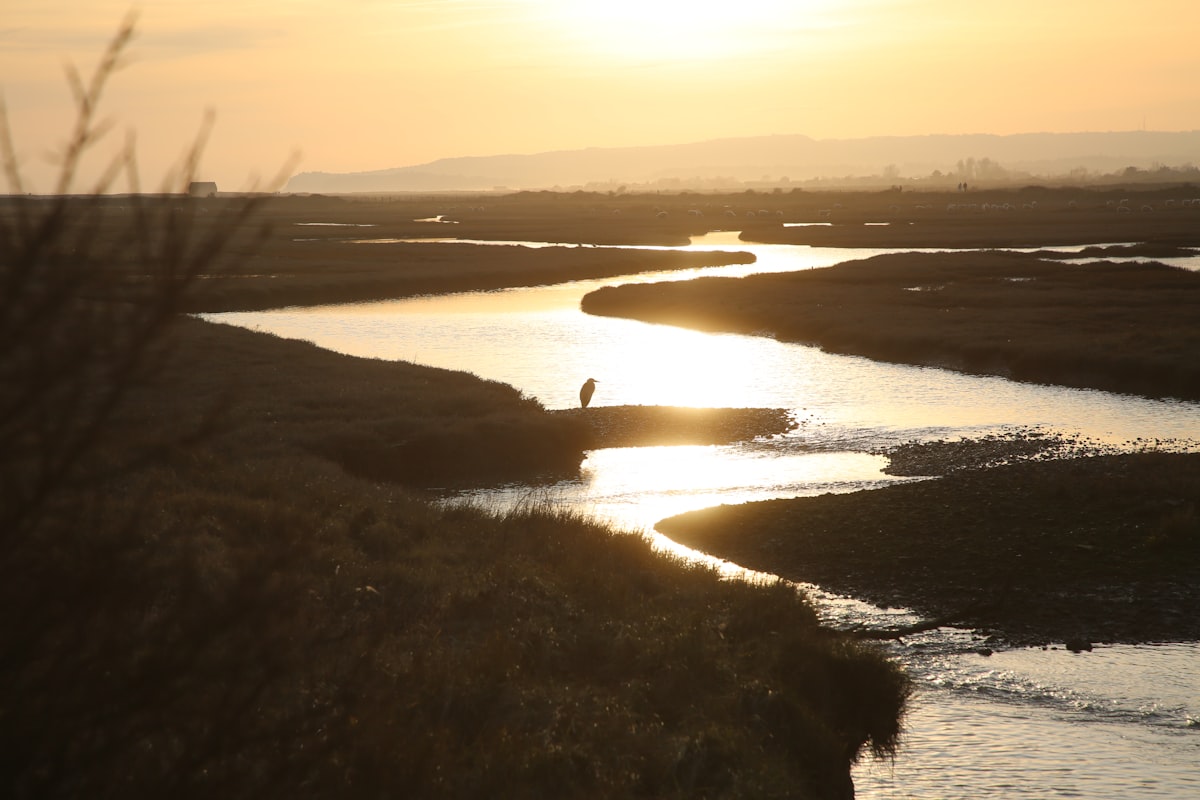
It is a Tuesday in January. Back where you came from -- Ohio, Michigan, New Jersey, wherever the winters are long and gray -- it is 18 degrees and someone is asking you if you want to be on the shoveling rotation again this year. But here, in Northeast Florida, it is 9 in the morning and 64 degrees. You are walking your dog along a trail that winds through a nature preserve behind your neighborhood. The sky is the specific shade of blue that only shows up on days with no humidity and no clouds. A neighbor waves from across the path. She is wearing a light fleece. You are in a long-sleeve shirt. There are birds. There is sunlight. There is not a single flake of anything falling from the sky. And somewhere in that quiet moment it clicks -- this is what you were waiting for. This is why you came.
Winters in Northeast Florida are mild, sunny, and genuinely outdoor-friendly. Daytime highs typically run in the 60s and 70s from December through February, with overnight lows in the 40s and 50s. Cold snaps do happen, but they are brief. The overall experience is one of the best-kept seasonal secrets in the state -- warm enough to stay active, cool enough to be comfortable, and nothing like what the rest of the country is dealing with.
The Temperatures -- What to Actually Expect
Northeast Florida winters are not tropical. This is not Miami. That is actually part of what makes them so livable. Daytime highs through December, January, and February typically land in the mid-60s to low 70s. Mornings start cooler -- often in the 40s or low 50s -- but by 10 or 11 in the morning the temperature has usually climbed to something that feels genuinely pleasant. You can be outside, active, and comfortable without sweating through your shirt.
Overnight lows dip into the 40s most winter nights. On the coldest nights of the season, which might number a handful per year, temperatures can drop into the mid-to-upper 30s. Frost is possible but not common, and when it does happen it is brief. Snow is essentially a non-event -- it occurs so rarely in Jacksonville and the surrounding area that when it does, the entire region treats it as a novelty worth photographing.
The other thing worth knowing is the sunshine. Northeast Florida does not turn overcast and gray in January the way much of the country does. Winter days here are frequently brilliant -- clear blue sky, good light, the kind of day that makes the outdoors feel like an invitation rather than something to endure.
What Locals Wear in January
This is one of the reliable little pleasures of the Northeast Florida winter experience: watching the collision of climates. Longtime residents, acclimated to the Florida rhythm, layer up when temperatures drop below 60. You will see fleece jackets, scarves, and even the occasional puffer vest at the farmers market in January. Meanwhile, the transplants from Minnesota are in shorts and a t-shirt, utterly baffled by their neighbors' choices.
The honest answer is that it depends on what you are used to. Give it a year or two and your internal thermostat recalibrates. What felt balmy on a December visit will start to feel legitimately chilly once you are a full-time resident. This is not a complaint -- it is one of the quieter joys of the Florida adjustment. You become a person who owns one good jacket instead of eight.
The Outdoor Lifestyle in Full Swing
Here is the part that surprises people who have not experienced a Northeast Florida winter firsthand: January and February are arguably the best months to be outside. The heat is gone. The humidity is at its lowest point of the year. The trails, the beaches, the golf courses -- they are all accessible without the effort that summer heat demands.
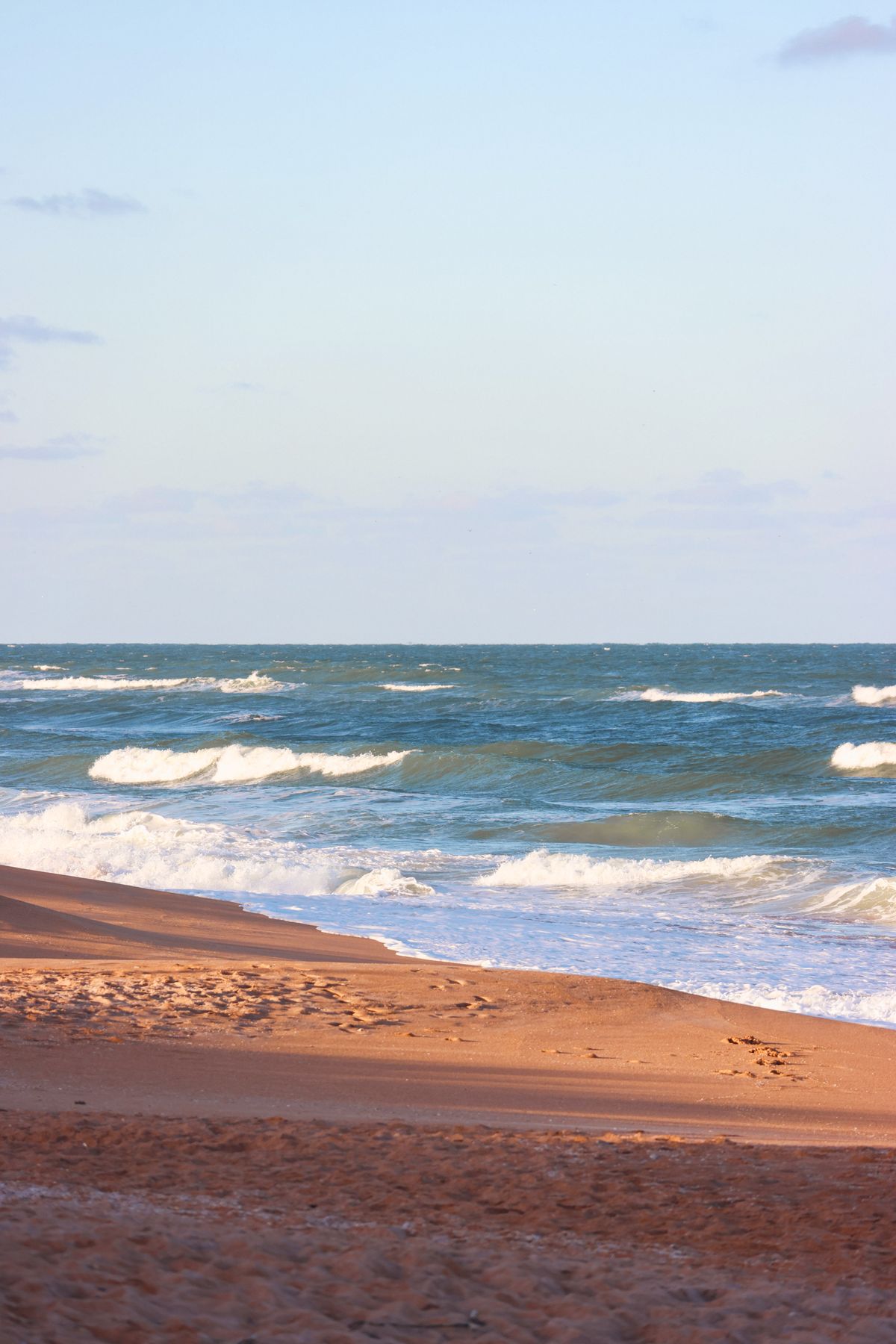
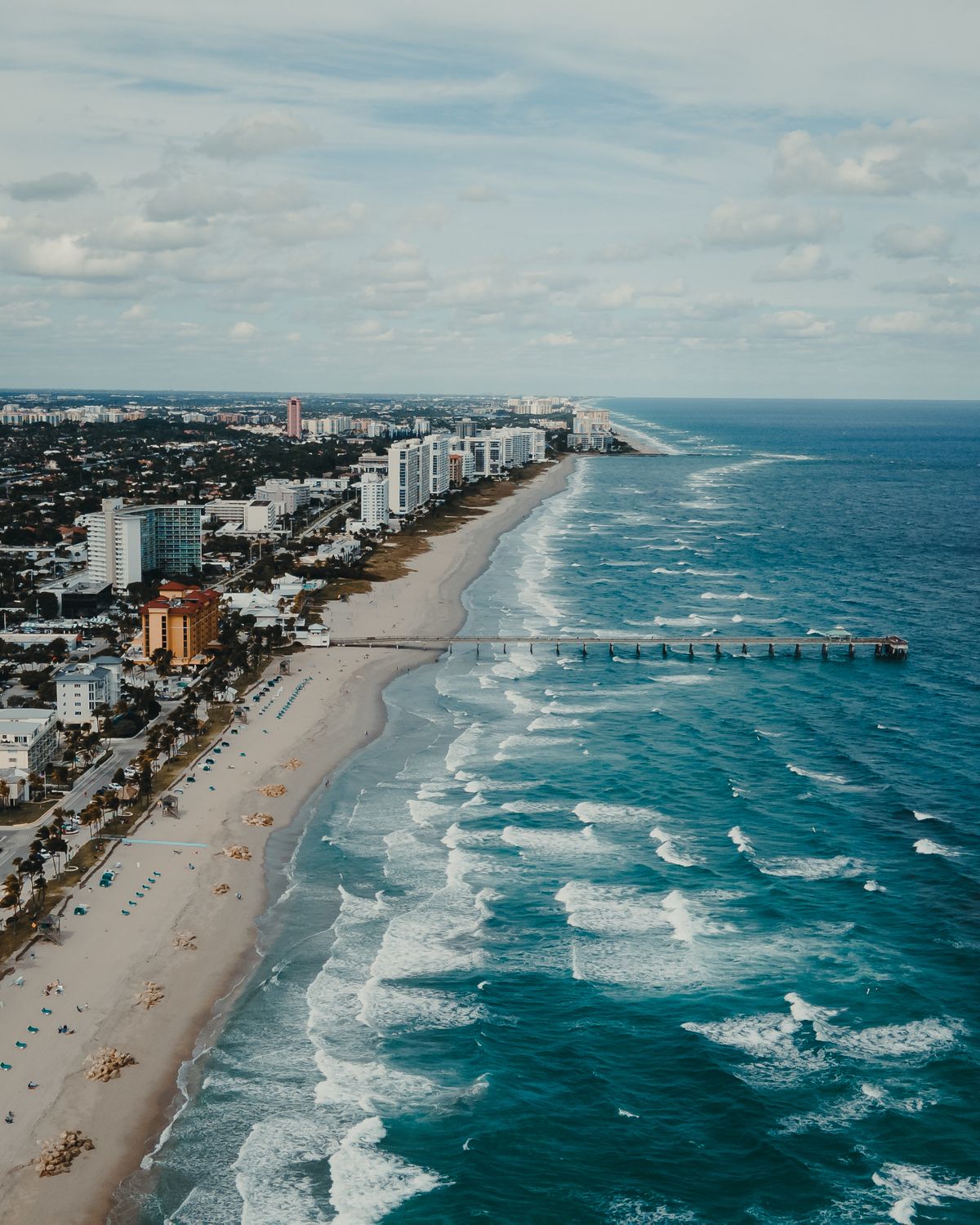
The beaches in Atlantic Beach, Neptune Beach, and Ponte Vedra Beach in winter are a specific kind of beautiful. The crowds thin out. The light hits differently in the winter sun, lower in the sky, casting long shadows across the sand. Walking the shoreline on a 68-degree January afternoon with a clear horizon and no one in either direction is one of those experiences that people move here for and then spend the rest of their lives describing to friends who are still shoveling driveways somewhere north of the Mason-Dixon line.
Golf courses across the region are in what regulars consider peak condition through the winter months. Tee times are available. The courses are green and properly watered without the wet-season saturation. Pickleball -- which has become a legitimate organizing force of social life in communities across St. Johns County -- runs year-round, but the winter months see the courts busiest. Farmers markets in Ponte Vedra, St. Augustine, and throughout the area fill up on winter weekends with local produce, artisans, and people who are simply happy to be outside.
Thinking About Making This Your Permanent Winter?
Joey Larsen helps buyers from all over the country find their place in Northeast Florida -- whether that is a beach community, a master-planned neighborhood, or something in between. Let's talk about what the right fit looks like for you.
Call or text Joey Larsen: 904-863-6679
or visit RetireMeToFlorida.com
The Social Calendar Picks Up
There is a rhythm to the Northeast Florida year that visitors sometimes miss because they only see one slice of it. Winter is when the snowbirds arrive -- seasonal residents who spend November through April here and then head north for the summer. Their arrival brings energy. Restaurants get busier. Events pick up. The social fabric of communities like Ponte Vedra Beach, Nocatee, and the beach towns fills in during the cooler months in a way that feels genuinely vibrant.
Community events multiply through January and February -- art walks, wine festivals, concerts, outdoor markets. The St. Augustine area, just a short drive south from most of Northeast Florida, has an especially rich event calendar through the winter. The city's historic district, already one of the more charming destinations in the state, is significantly more enjoyable to walk in 65-degree weather than in August.
For retirees who came here at least partly for the social dimension -- to find their people, to build a community, to have something to do six days out of seven -- winter is when Northeast Florida delivers most consistently on that promise.
The One Honest Caveat
Cold snaps happen. Every few years, Northeast Florida gets a stretch of several days where overnight lows drop below 40 and daytime highs struggle to get out of the 50s. When this happens, the region treats it as a significant weather event. Schools may delay. People stay inside more. If you are comparing this to a Chicago February, it is laughably minor. But if your expectation is that Florida means warm every single day of the year, a cold snap can catch you off guard the first time you experience one.
These stretches are brief -- usually a few days, rarely longer than a week. And they are followed by a return to the kind of mild, sunny weather that made you move here in the first place. The cold snap in January is the price of admission. The rest of the winter is the reward.
Northeast Florida vs. South Florida in Winter
People sometimes ask why not just go further south -- Naples, Sarasota, Fort Lauderdale. The honest answer is that it depends on what you want. South Florida in January is warmer, often hitting the 70s and even low 80s. But Northeast Florida offers something those markets do not always deliver: seasons with texture. Cool mornings. Crisp evenings. The actual feeling of fall and a genuine winter break without the severity that drove you out of wherever you left.
Many people who have lived in both parts of the state say they chose Northeast Florida at least partly because the winters feel earned in a satisfying way -- comfortable and beautiful without being relentlessly, indistinguishably warm every day of the year. There is a difference between escaping winter and erasing it entirely. For a lot of people, Northeast Florida gets the balance exactly right.
Frequently Asked Questions
Does it ever snow in Northeast Florida?
Occasionally, but rarely and very briefly. Jacksonville and the surrounding area see measurable snowfall only a handful of times per decade, and it typically melts quickly. When it does happen, it becomes a local event that people photograph and talk about for years. If you are moving here hoping for occasional flurries, you might see one or two in a decade. If you are moving here to escape snow entirely, you are in the right place.
Can I use my pool in the winter in Northeast Florida?
With a pool heater, absolutely. Without one, pool use in January and February is limited for most people -- water temperatures drop to the point where casual swimming is chilly rather than pleasant. Many homeowners in St. Johns County and the beach communities heat their pools through the cooler months, which extends the usable season significantly. It is worth factoring a pool heater into your budget if year-round swimming is a priority.
When do snowbirds typically arrive and leave?
Most seasonal residents arrive in November or early December and stay through March or April, with many departing after Easter. Peak snowbird season in Northeast Florida is January through March, which is when the social calendar and restaurant scenes are at their most active. If you are a full-time resident, this influx is almost entirely positive -- more activity, more events, and a community that feels energized through what would otherwise be a quieter season.
Search Northeast Florida Homes
Browse active listings in Nocatee, RiverTown, Tributary, Shearwater, Silverleaf, and communities across St. Johns and Nassau Counties.
What To Do Right Now
If Northeast Florida winters sound like what you have been chasing, the next step is figuring out where in the area fits your life best -- the beach towns, the master-planned communities, the golf communities, or something you have not considered yet.
Call or text Joey Larsen at 904-863-6679, or visit RetireMeToFlorida.com to get started.
Categories
- All Blogs (414)
- Buyer Questions (10)
- Buyer Resources (14)
- Communities (8)
- Cost of Living (6)
- Insurance & Risk (1)
- Jacksonville / St. Johns County (3)
- Joey Studies The Market (1)
- Local Area Happenings (1)
- Local Favorites (83)
- Market Intelligence (82)
- Market Update (3)
- Nocatee (2)
- Northeast Florida Market (1)
- Our Communities (4)
- Questions Buyer Are Asking (25)
- Questions Sellers Are Asking (8)
- Real Estate Done Right (11)
- Relocation (1)
- Relocation Guides (73)
- Retirement Planning (4)
- Seller Resources (3)
- The Florida Life (89)
Recent Posts