What People Miss (and Don't Miss) After Moving to Florida
You Are Allowed to Want This -- Even If Part of You Will Miss What You Are Leaving
Somewhere in your research -- between the property searches and the tax comparison charts and the neighborhood YouTube tours -- there is a quieter thing happening. You are imagining yourself there. You are picturing the mornings, the pace, the light through the windows of a house that does not exist yet but that feels increasingly possible. And underneath that picture is something you have probably not said out loud yet: the thing you will miss. The leaves changing in October. The Sundays with people you love who live twenty minutes away. The particular comfort of a place that knows you. Wanting the new life does not make the leaving easy. And the honest version of this conversation has to hold both of those things at once.
People who move to Northeast Florida from northern states genuinely miss certain things -- fall seasons, proximity to family, the familiar rhythms of where they came from. They are also regularly surprised by what they do not miss: the winters, the cost of living, the pace they thought was normal. Both experiences are real, and understanding both is part of making an honest decision about this move.
The Thing Everyone Mentions First: Fall
Ask anyone who has made the move from New England or the Midwest, and the first thing that comes up is usually autumn. Not winter -- fall. The color. The crispness in the air on a September morning. The smell of leaves and wood smoke. The particular quality of October light. Florida does not offer this, and people who grew up with it carry a real attachment to it that does not simply dissolve when they move south.
What most long-term Florida transplants will tell you, though, is that what they thought was a love of fall was often actually a love of relief -- relief that summer was ending, that the brutal heat was loosening its grip, that something was changing. In Florida, the October relief still comes, it just looks different. The humidity breaks. The evenings cool down. The air lightens. It is not the same as fall foliage -- but something in you does exhale.
Being Far from Family Is Real, and It Requires Honesty
This is the one no one talks around in the blog posts and retirement guides, because there is no way to make it better. Being far from your adult children, your grandchildren, your siblings -- that costs something. Not just logistically, but emotionally. The Sunday dinners that happen without you. The school plays you watch on a phone screen. The way you can no longer just stop by.
People who have made this move and found peace with it have usually done one of two things: either their family eventually followed them (which happens more than you might expect in a market like Northeast Florida), or they built a new kind of proximity through intentional visits and a community in Florida that fills some of the warmth they were worried about losing. Neither solution is perfect. But both are real, and many people find them to be enough.
The Community You Built Over Decades
Your doctor who actually knows you. Your neighbors who have watched your kids grow up. The hardware store where they know your name. The restaurant where you do not need to look at the menu. These things accumulate over years and decades, and they are not replaceable immediately -- even in a welcoming, friendly place like Northeast Florida. Building that kind of community in a new place takes time and intention, and the first year or two can feel more socially thin than you expected.
The good news -- and this is something people consistently report -- is that Northeast Florida's master-planned communities are designed in a way that accelerates community-building. The amenity centers, the events calendars, the social infrastructure of a place like Nocatee or RiverTown or Tributary creates connection opportunities that are genuinely different from the more passive way neighbors know each other in older suburban neighborhoods. People meet people faster here than in many places.
Still in the research phase? That is exactly the right time to talk.
The questions you have now -- about what the move actually feels like, what Northeast Florida life is really like day to day -- are best answered by someone who lives and works here, not just a search engine.
Call or text Joey Larsen: 904-863-6679
or visit RetireMeToFlorida.com
What People Are Consistently Surprised Not to Miss
Here is where the conversation usually takes a turn. When you ask people who have been in Northeast Florida for a few years what they do not miss, the list is long and often delivered with some surprise at themselves. They did not expect to feel this way -- and then they do.
The winters. This one is almost universal. People who have done one Florida winter look back at what they used to endure and find it hard to explain why they waited so long. The driving in ice and snow. The heating bills. The months of gray sky. The way the cold gets into your joints by February. The way spring feels more like a reward after punishment than simply a change of season. One warm January morning on a screened porch changes people's perspective on this permanently.
The Cost of Living Surprise
Many people arrive in Northeast Florida expecting to make an economic sacrifice for the lifestyle -- paying a premium for Florida because everyone wants to be here. What they find instead is that Florida's lack of state income tax, combined with relatively reasonable property taxes in St. Johns County (especially after the Homestead Exemption kicks in), and lower everyday costs in many categories, makes the financial picture better than they expected.
People who relocated from the Northeast corridor -- particularly Connecticut, New York, and New Jersey -- are often the most vocal about this. Their property taxes on a comparable home can be dramatically lower. Their overall cost of living feels meaningfully more manageable. The financial relief is real, and it makes the other parts of the transition feel easier.
The Pace They Thought Was Normal
This one sneaks up on people. The pace of life in the communities they came from -- the traffic, the ambient stress, the density of obligation -- was so deeply familiar that they did not recognize it as a particular pace until they left it. Northeast Florida, especially the communities along the St. Johns County corridor and out toward the beaches, moves differently. Not slowly -- there is plenty going on. But the density of stress is lower. The commutes are shorter. The weekend feels more like a weekend.
People describe this as a kind of unwinding that happens gradually over the first year, and then one morning you realize you have not been grinding your teeth, and you cannot quite remember when you stopped.
What They Did Not Expect to Love
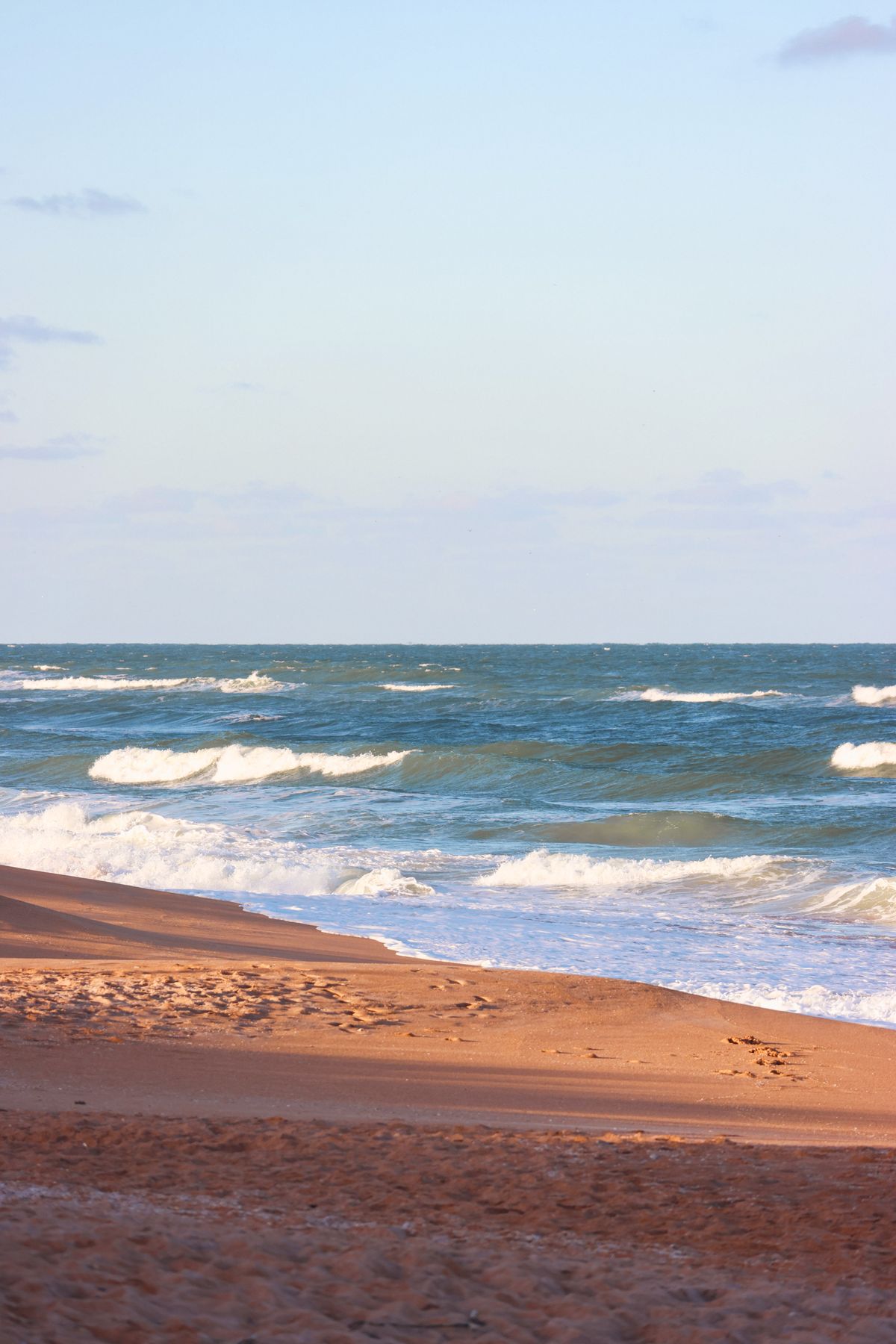
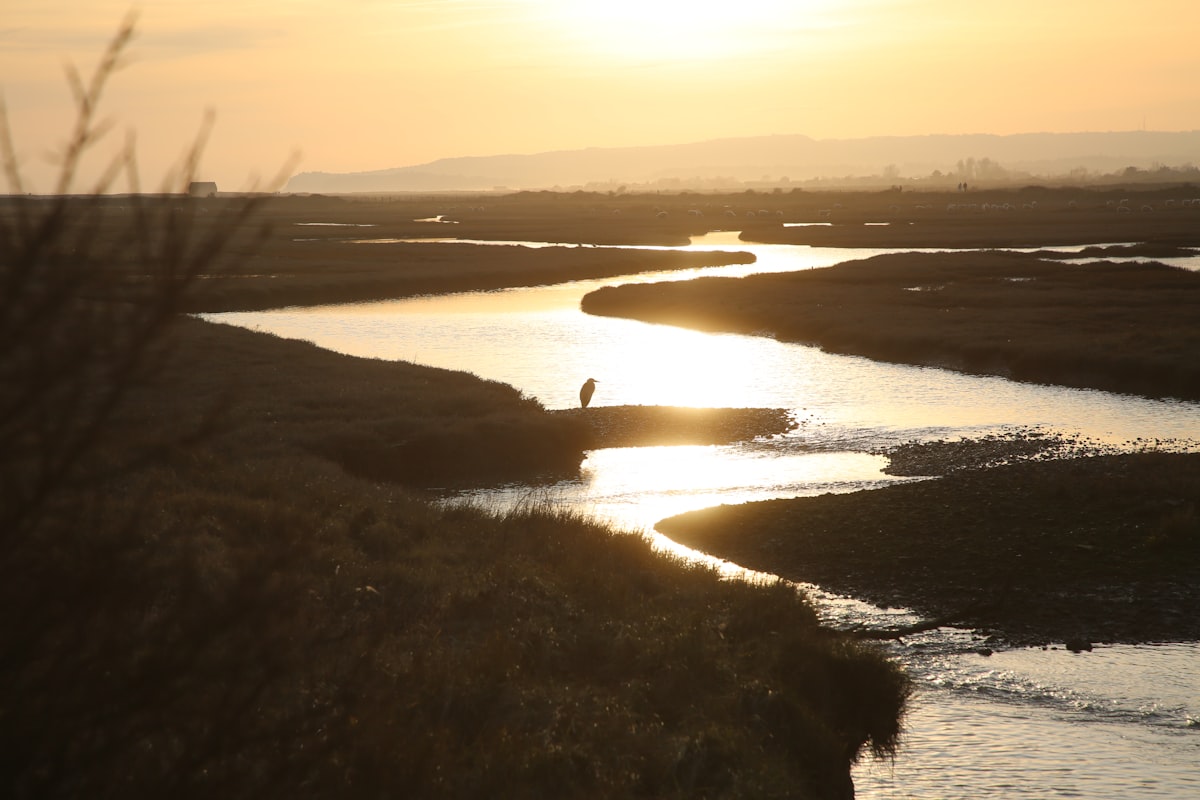
The wildlife surprises everyone. The herons in the backyard. The manatees in the river. The dolphins visible from the beach without trying. The sea turtles nesting on the shore. People who did not think of themselves as "nature people" find themselves standing in their backyard watching a bird they cannot identify and feeling something they did not anticipate -- connected, a little awed, grateful to be in a place where this is just Tuesday morning.
The year-round outdoor life. The ability to take a walk in January without dressing like you are scaling Everest. The bike rides in February. The golf in December. The gardens that do not die in October. The cumulative freedom of a climate that does not confine you is something people adapt to faster than they expected, and that adaptation changes them in ways they appreciate.
Frequently Asked Questions
Is it normal to feel grief about leaving, even when you really want to move?
Yes -- and it does not mean you are making the wrong decision. Leaving a place you have lived for decades carries real loss, even when the move is something you want and have planned carefully. The feelings of grief and excitement can coexist, and they usually do. Most people who have made the move report that the grief fades more quickly than they expected once they are actually living in their new community and building daily life there.
How long does it actually take to feel at home in Northeast Florida?
Most transplants describe crossing a threshold somewhere between six months and two years in. The first several months are often exciting but also disorienting -- everything is new, which is energizing and also tiring. The second phase is settling in, building routines, finding your people. By year two, most people report that Florida feels like home rather than a place they are visiting. The speed depends a lot on how actively you engage with your community and how much you invest in building a social life there.
What about people who moved and wished they had stayed?
They exist, and honesty requires acknowledging that. Not everyone who moves to Florida loves it. People who are deeply rooted in extended family networks sometimes find that the distance is harder than they anticipated. People who assumed that a change of geography would resolve life dissatisfactions that were more personal than geographical sometimes find the same. The move works best for people who are moving toward something -- a lifestyle, a pace, a climate, a community -- rather than simply away from something they want to escape.
Does Northeast Florida really feel different from other parts of Florida?
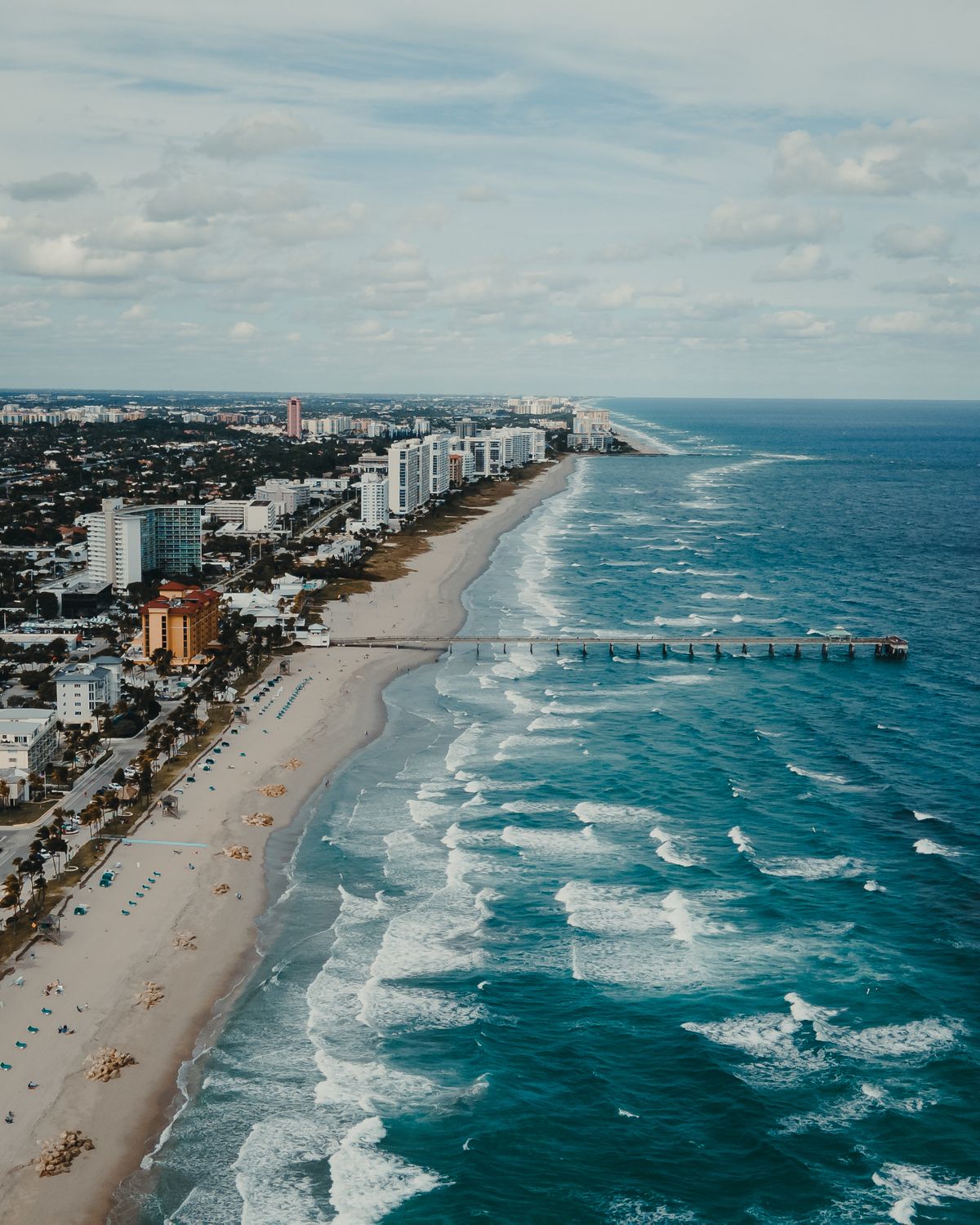
It does, meaningfully so. Northeast Florida -- and St. Johns County and the Jacksonville Beaches area in particular -- has a character that is distinct from the more touristy corridors of South Florida or the retirement-dense Gulf Coast. It feels like a real community where real life happens, not a resort that people moved into. That quality of place is something relocating buyers notice and value, and it is one of the reasons this region continues to draw people who want more than sunshine -- they want a life.
Search Northeast Florida Homes
Browse active listings in Nocatee, RiverTown, Tributary, Shearwater, Silverleaf, and communities across St. Johns and Nassau Counties.
What To Do Right Now
If you are in the research phase -- weighing the real tradeoffs of this move, not just the highlights reel -- that is exactly the right time to have an honest conversation with someone who knows this area and this life from the inside.
Call or text Joey Larsen at 904-863-6679, or visit RetireMeToFlorida.com to get started.
Categories
- All Blogs (414)
- Buyer Questions (10)
- Buyer Resources (14)
- Communities (8)
- Cost of Living (6)
- Insurance & Risk (1)
- Jacksonville / St. Johns County (3)
- Joey Studies The Market (1)
- Local Area Happenings (1)
- Local Favorites (83)
- Market Intelligence (82)
- Market Update (3)
- Nocatee (2)
- Northeast Florida Market (1)
- Our Communities (4)
- Questions Buyer Are Asking (25)
- Questions Sellers Are Asking (8)
- Real Estate Done Right (11)
- Relocation (1)
- Relocation Guides (73)
- Retirement Planning (4)
- Seller Resources (3)
- The Florida Life (89)
Recent Posts