What Is It Like Living Near the Beach in Northeast Florida?
What the Beach Feels Like When It Is Not a Vacation
There is a moment that happens to a lot of people who move near the beach. It is six months in, maybe eight, and you realize you have not been to the water in two weeks. Not because you are unhappy -- quite the opposite. You are just living. The beach has become part of the landscape of your daily life rather than the thing you drove three hours to see. And then one afternoon something shifts -- the light, maybe, or a friend visiting from out of town who cannot stop looking at the horizon -- and you see it again through fresh eyes. The Atlantic, right there. Twenty minutes from your front door, or less. And something in you goes very quiet, and very grateful.
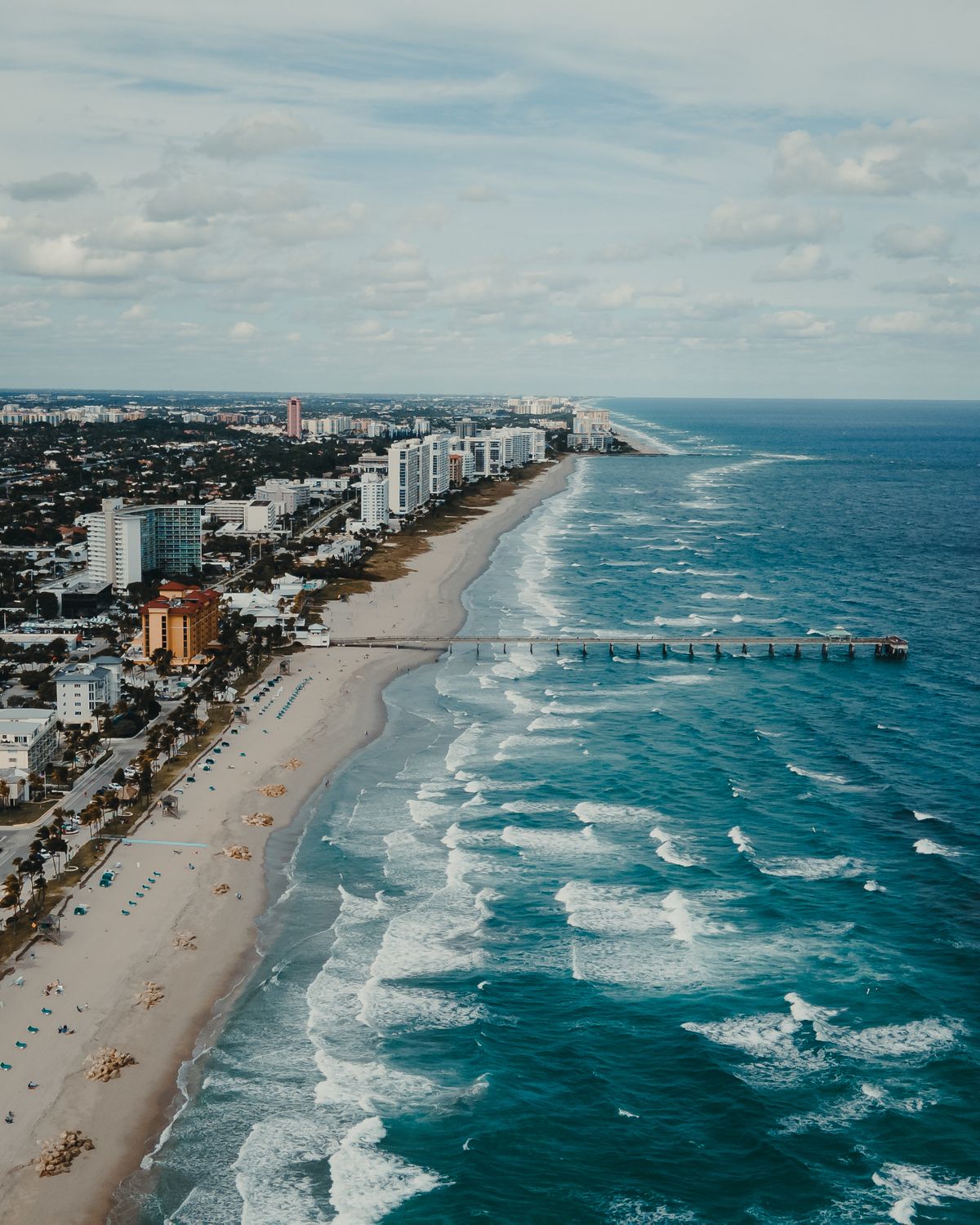
Living near the beach in Northeast Florida -- in communities like Jacksonville Beach, Neptune Beach, Atlantic Beach, and Ponte Vedra Beach -- is a lifestyle with genuine texture: the morning walks before anyone else is awake, the informal pace of beach-town culture, the year-round access to the ocean. It also has trade-offs -- humidity, hurricane season awareness, summer crowd management. The honest version holds both.
The Morning Belongs to You
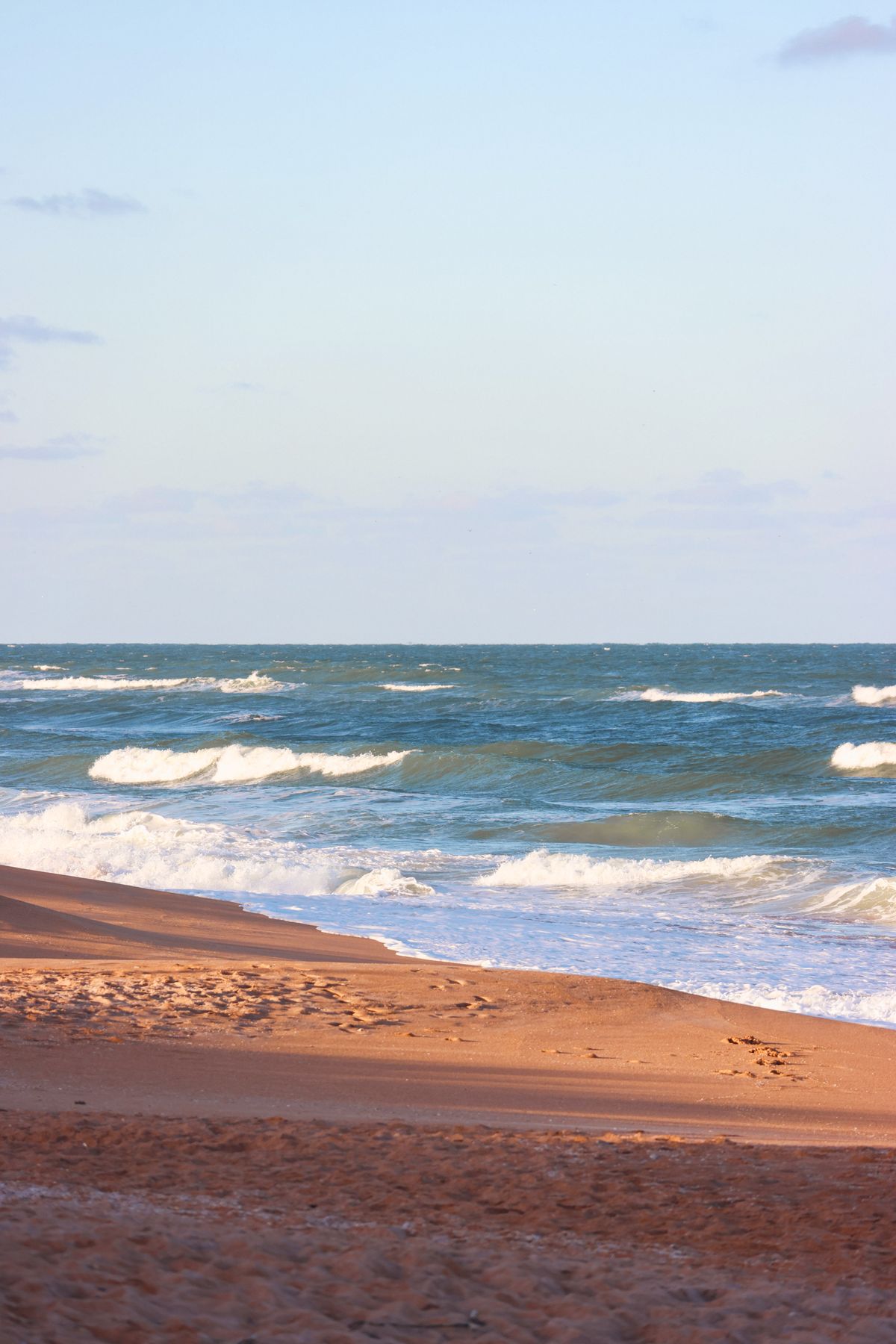
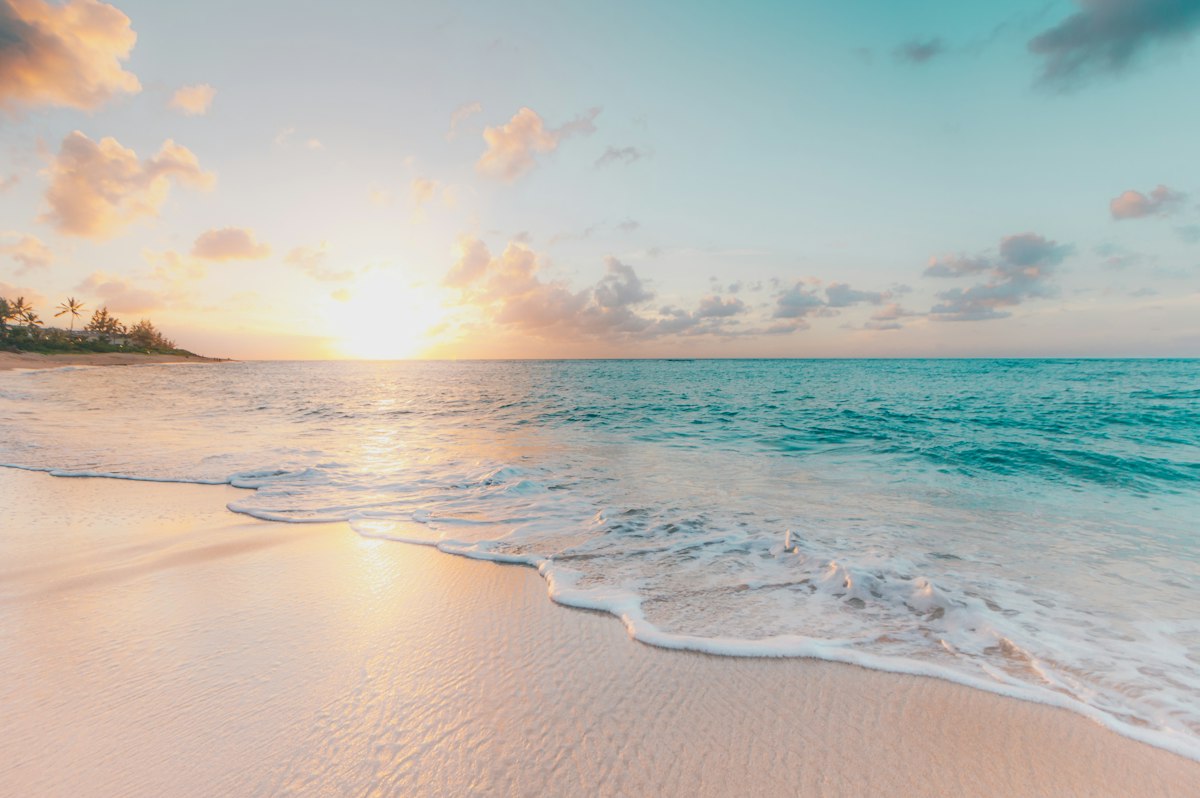
If you want to understand what beach residency actually feels like, show up at 6:30 in the morning. The parking lots are empty. The beach is wide and unhurried. The light is doing something extraordinary to the water -- pink or silver or the deep blue-gray that comes right before full sun -- and the only other people out there are walkers, a few runners, the occasional fisherman with a rod stuck in the sand. This is yours, as a resident. Not a rare treat. Not something you drove to see. Just Tuesday morning.
Residents of Jacksonville Beach, Neptune Beach, and Atlantic Beach -- the three adjacent beach communities that form the core of what people mean when they say "the Beaches" -- develop routines built around this access. The morning walk becomes the way you start the day, not because you decided to make it a habit but because it is right there and the alternative is not going, which seems absurd. You get to know the regular faces. The light changes by season in ways that become familiar. You become a person who knows what the beach looks like in January.
The Informal Rhythm of Beach-Town Life
The Beaches -- Jacksonville Beach, Neptune Beach, Atlantic Beach -- have a character that is distinct from the broader Jacksonville metro. They are smaller, more village-like, organized around walkability and local business in a way that larger suburban communities are not. There are coffee shops where people linger, surf shops that have been there for decades, restaurants where the fish came in this morning. The social fabric is tighter, the pace is different, and there is an ease to the interactions between people that comes from living in a place where everyone has chosen to be there.
Ponte Vedra Beach, a few miles south, has a different register -- more affluent, more spacious, with the kind of real estate that comes with ocean views and privacy hedges and golf communities that back up toward the shore. The beach is just as accessible, but the lifestyle has a more polished quality. Both experiences are genuine; which one resonates depends on what you are looking for in your daily life.
The Trade-Offs Nobody Leaves Out of the Honest Version
Humidity in July is real. Not the kind of humidity you tolerate briefly between your car and the front door -- the kind that is present and definite from 7 in the morning through most of the evening, that makes the air feel like something you are moving through rather than breathing. People adapt to it, and for most of the year Northeast Florida's coastal climate is genuinely wonderful. But the deep summer months require a certain accommodation. You learn to do your outdoor things early, to embrace the air conditioning without guilt, and to appreciate the afternoon storms that roll in and cool things down.
Hurricane awareness is part of beach residency. Not terror -- most residents maintain a calibrated, pragmatic relationship with hurricane season. You watch the forecasts. You know what your evacuation zone is. You have a plan and supplies. In most years, the storms that matter affect other parts of Florida more than the NE Florida coast. But the awareness never fully disappears, and it shapes some decisions about property -- what elevation, what construction, what insurance. This is not a reason not to live here; it is simply part of knowing where you are.
Thinking about making the Beaches your home -- not just your vacation?
There is a real difference between knowing the beaches as a visitor and knowing what it is like to live here year-round. A conversation can help you figure out which beach community and which type of property fits your version of this life.
Call or text Joey Larsen: 904-863-6679
or visit RetireMeToFlorida.com
The Summer Crowd Question
Summer brings people to the beaches -- from Jacksonville, from Georgia, from everywhere -- and the difference between a quiet October morning and a Fourth of July afternoon is significant. The parking situation changes. The restaurants have waits. The beach itself has a different energy, more festive and crowded, which some residents love and others navigate by simply shifting their schedule. The people who live at the beach year-round generally develop a comfortable relationship with the seasons of their beach: knowing when to go, when to wait, when the tourists leave and the beach belongs to the residents again.
September and October are broadly considered the best months by many longtime beach residents. The weather is still warm enough to enjoy the water fully, the summer crowds have thinned considerably, and the quality of light in early fall on the Atlantic coast is extraordinary -- golden and long and unhurried in a way that makes you want to stay outside until well after dark.
What Beach Residency Does to Your Identity
People who live near the beach develop a particular relationship with it that is hard to describe precisely. You stop noticing it in a daily way -- it is just there -- and then you notice it profoundly, and then you stop again, and this rhythm continues for as long as you live here. What does not change is the way the proximity shapes everything: your mood is different on mornings when you walk to the water. Your guests see something in you they did not see before -- a looseness, a settledness, a quality of being at home that reads on your face.
Moving near the beach is, for many people, an identity shift as much as a logistical one. You become a person who lives at the beach. That might sound like a small thing, but for people who have spent decades living differently -- winterbound, landlocked, far from anything like this -- it does not feel small at all.
The Practical Side: What Beach Proximity Does to the Real Estate
Homes closest to the water in Jacksonville Beach, Neptune Beach, and Atlantic Beach command a premium -- not just for ocean views, but for walkability to the beach, the character of the neighborhood, and the lifestyle access. Homes that are two to five blocks from the shore are often more affordably priced than oceanfront or immediate waterfront properties while still offering the resident experience that makes beach living meaningful. The tradeoff in walkability at that distance is minimal; you are still close enough to walk down for a morning coffee on the beach without getting in a car.
Flood zone status is an important consideration in beach real estate -- not just for insurance costs, but for lender requirements and the overall risk profile of the property. Properties in high-risk flood zones carry flood insurance requirements that add meaningfully to the annual cost of ownership, and understanding the specific zone status of a property you are considering is an essential part of due diligence. An experienced local agent knows how to interpret flood maps, read elevation certificates, and factor these costs into an accurate picture of what the property will truly cost to own.
Frequently Asked Questions
Is it better to live in Jacksonville Beach, Neptune Beach, or Atlantic Beach?
Each of the three beach communities has its own distinct character. Jacksonville Beach is the largest and most commercial of the three, with a lively main street area, more restaurant and nightlife options, and a broader range of housing types. Neptune Beach is smaller and more residential, with a neighborhood feel that many longtime residents prize. Atlantic Beach has a slightly more eclectic quality, with a mix of older homes and newer development and a particularly active local coffee-and-restaurant culture. The "best" one depends entirely on the lifestyle you are looking for.
What is Ponte Vedra Beach like compared to the Beaches?
Ponte Vedra Beach sits just south of the Jacksonville Beaches and has a markedly different character -- more private, more spacious, with a higher overall price point and a concentration of golf communities, gated neighborhoods, and estates that give it a distinct upscale feel. It still has beach access, but it is less of a walkable beach town and more of a high-end coastal residential community. Many buyers are drawn to Ponte Vedra specifically for that combination of ocean proximity with a more private, less tourist-traffic environment.
How does hurricane season actually affect beach residents day to day?
For most of the year, it does not -- hurricane season runs June through November, but the daily experience is simply knowing that you are prepared and keeping an eye on forecasts during that window. When a storm is tracking toward the area, the process kicks in: checking your zone, reviewing your plan, possibly topping off supplies. Northeast Florida has geographic factors -- including the curvature of the coast -- that affect how direct storm impacts arrive, but no coastal property anywhere is entirely removed from hurricane risk. The residents who thrive here are those who treat hurricane preparedness as a routine adult responsibility rather than a source of constant anxiety.
Is it expensive to insure a beach home in Northeast Florida?
Property insurance costs on the Florida coast have risen significantly in recent years, and beach-adjacent properties -- particularly those in flood-prone zones -- carry meaningfully higher insurance costs than inland properties. Homeowners insurance, flood insurance, and in some cases wind mitigation considerations all factor into the annual cost of ownership for beach properties. This is an area where doing real diligence during the buying process matters enormously -- getting insurance quotes before closing rather than after is essential for an accurate picture of what the property will cost to own.
Search Northeast Florida Homes
Browse active listings in Nocatee, RiverTown, Tributary, Shearwater, Silverleaf, and communities across St. Johns and Nassau Counties.
What To Do Right Now
If the beach lifestyle is what is pulling you toward Northeast Florida, the next step is figuring out which community and which type of property translates that lifestyle into something that actually works for your life and your budget.
Call or text Joey Larsen at 904-863-6679, or visit RetireMeToFlorida.com to get started.
Categories
- All Blogs (414)
- Buyer Questions (10)
- Buyer Resources (14)
- Communities (8)
- Cost of Living (6)
- Insurance & Risk (1)
- Jacksonville / St. Johns County (3)
- Joey Studies The Market (1)
- Local Area Happenings (1)
- Local Favorites (83)
- Market Intelligence (82)
- Market Update (3)
- Nocatee (2)
- Northeast Florida Market (1)
- Our Communities (4)
- Questions Buyer Are Asking (25)
- Questions Sellers Are Asking (8)
- Real Estate Done Right (11)
- Relocation (1)
- Relocation Guides (73)
- Retirement Planning (4)
- Seller Resources (3)
- The Florida Life (89)
Recent Posts