Sea Turtle Season in Northeast Florida: What Residents Need to Know

Something Remarkable Is Happening on the Beach While You Sleep
On a warm May night, when the beach is dark and quiet and most people are well inland in their beds, a loggerhead sea turtle the size of a coffee table hauls herself up from the surf and begins the slow, laborious work of finding a spot in the dunes. She has traveled hundreds -- sometimes thousands -- of miles to be here. She has done this before, on this beach or one very close to it, because sea turtles return to nest within miles of where they themselves hatched. She digs. She deposits somewhere between eighty and a hundred eggs. She covers them with practiced precision, smooths the sand, and returns to the ocean. By morning, the only evidence is the distinctive track in the sand -- what biologists call a "crawl" -- and a nest marker placed by a conservation volunteer who was out before sunrise to document what happened in the night.
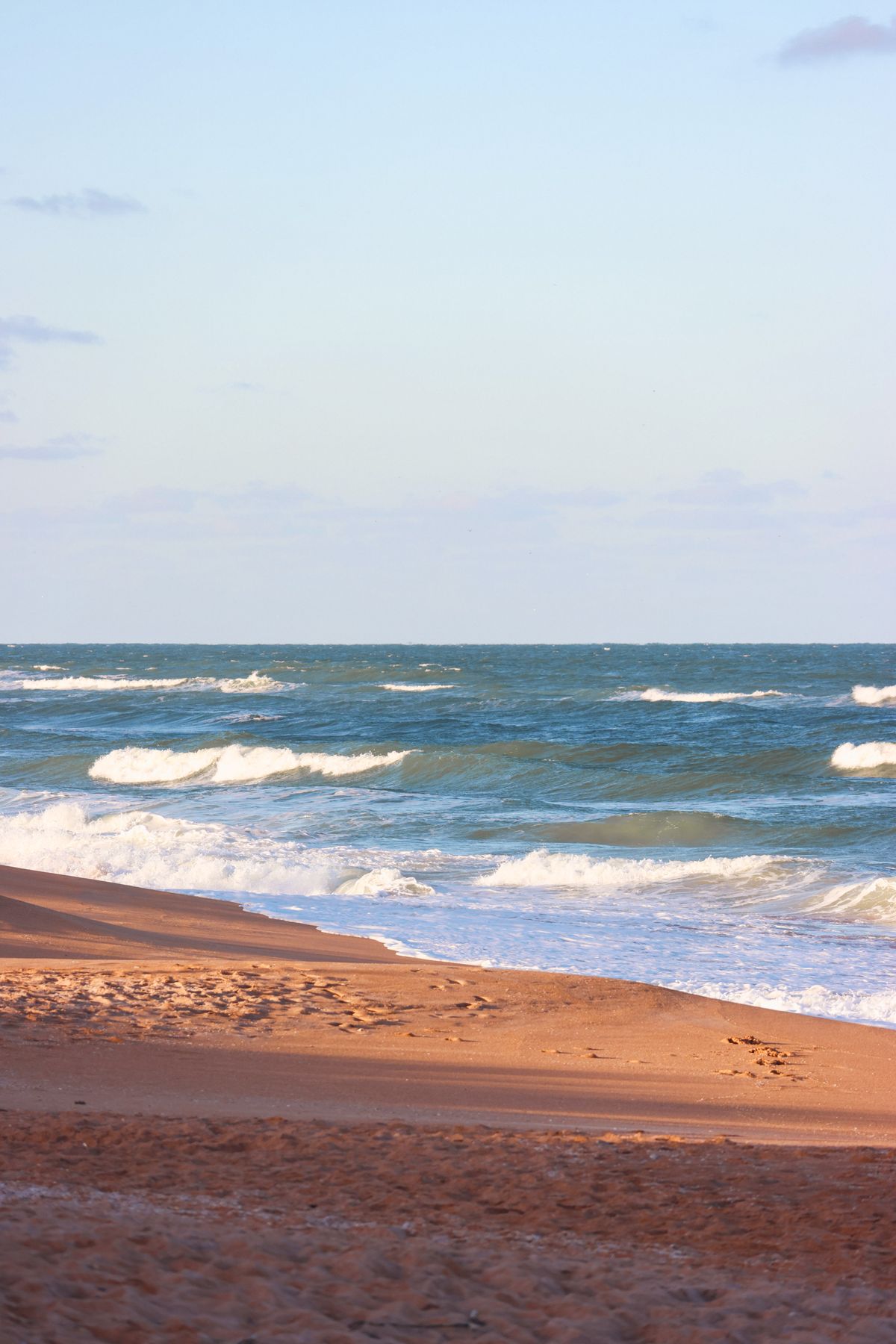
Sea turtle nesting season in Northeast Florida runs from May through October, with peak nesting activity in June and July. Loggerhead, leatherback, and green sea turtles nest along the beaches from Amelia Island south through Jacksonville Beach, Neptune Beach, Atlantic Beach, and into St. Augustine and beyond. Residents play an important role by following lights-out guidelines and respecting nest markers during the season.
Which Turtles Nest Here -- and When
The loggerhead is by far the most common nesting species in Northeast Florida. They are impressive animals -- adults typically weigh between 200 and 400 pounds, with rust-colored shells and heads powerful enough to crush shellfish. Loggerhead nesting in Florida represents one of the largest loggerhead nesting aggregations in the world, and the beaches of Northeast Florida are an important part of that story.
Leatherbacks arrive earlier in the season -- sometimes as early as late February or March -- and are the largest of all sea turtles, reaching up to seven feet in length and weighing as much as a thousand pounds. They are a genuine spectacle if you are fortunate enough to encounter one, though they nest in smaller numbers here than loggerheads. Green sea turtles nest later in the season and have been increasing in numbers along Florida's east coast in recent years, which is considered a conservation success story in progress.
Nest Markers in the Dunes: What They Mean
If you live near or visit the beaches of Northeast Florida between May and October, you will notice the orange or yellow stakes, often with tape or fencing around them, marking nests in the dunes. These are placed by trained conservation volunteers, many working with organizations like the Sea Turtle Conservancy or local county programs, who patrol the beaches before sunrise each morning during nesting season to find and document new nests.
The markers serve two purposes: they protect the nests from accidental human disturbance, and they allow biologists to track nesting success over time. The data collected from these patrols contributes to the longer scientific understanding of how sea turtle populations are doing. Giving the marked areas a wide berth -- and keeping children and pets away from them -- is the most important thing residents can do to support this work.
The Sea Turtle Conservancy: The World's Oldest
The Sea Turtle Conservancy, headquartered in Gainesville and with programs that extend to the beaches of Northeast Florida and St. Augustine, was founded in 1959 -- making it the oldest sea turtle conservation organization in the world. Their work spans research, education, habitat protection, and advocacy, and they have been a major force in the population recovery that has allowed green sea turtle numbers to increase substantially in recent decades.
For Northeast Florida residents, the Conservancy's presence means that the nesting beaches here are studied and protected with real scientific rigor. It also means there are opportunities to get involved -- as a volunteer nest surveyor, as a donor, or simply as an educated beach-goer who understands what is happening in the dunes and acts accordingly. Living near an organization like this, doing this kind of work, is one of those privileges of Northeast Florida residency that people do not always know about until they get here.
Curious about what it is actually like to live in Northeast Florida year-round?
Sea turtle season is one of the things people discover after they move here and realize they live somewhere genuinely extraordinary. If you are still in the research phase, a conversation about what life here looks like day to day might be exactly what you need.
Call or text Joey Larsen: 904-863-6679
or visit RetireMeToFlorida.com
Lights Out: Why Dark Beaches Matter
Artificial light is one of the most significant threats to nesting sea turtles and their hatchlings. Female turtles use light cues to navigate -- both when selecting a nesting site and when returning to the ocean after nesting. Hatchlings emerging from the nest in the dark orient themselves toward the brightest horizon, which in nature is the ocean reflecting starlight and moonlight. When artificial lights from beach-facing homes, condos, or businesses are brighter than the ocean, hatchlings follow the wrong light -- often onto roads or into development where they cannot survive.
Florida law prohibits disorienting sea turtles with artificial lighting during nesting season, and most Northeast Florida beach communities have specific ordinances that regulate lighting in beach-adjacent properties from May through October. For residents with homes or condos that face the beach, this means using turtle-friendly lighting -- amber or red LED bulbs that are less disorienting to turtles -- on any fixtures visible from the beach, and closing window coverings that might let interior light spill toward the shore.
It is a small adjustment, and most residents are glad to make it once they understand what is at stake. Knowing that your household's attention to lighting might be the difference between a hatchling making it to the ocean or not tends to be motivating.
What a Hatch Looks Like -- If You Are Very Lucky
Nests typically hatch somewhere between 45 and 70 days after they are laid, depending on sand temperature. When the hatchlings emerge -- usually at night, when sand temperatures have dropped and the cover of darkness gives them the best survival odds -- they come out in a group, often dozens at a time, surfacing from the sand and making their determined little rush toward the water.
If you happen to be on the beach when this occurs, the correct thing to do is stay back, stay quiet, turn off any lights, and let it happen. The hatchlings do not need guidance -- they are extraordinarily competent tiny navigators. What they need is darkness and a clear path. Witnessing a hatch is one of those experiences that stops people in their tracks. Residents who have seen it describe it in terms that sound almost spiritual -- something old and essential happening right in front of you, indifferent to the human world and completely magnificent.
How Northeast Florida Beaches Compare Across the Region
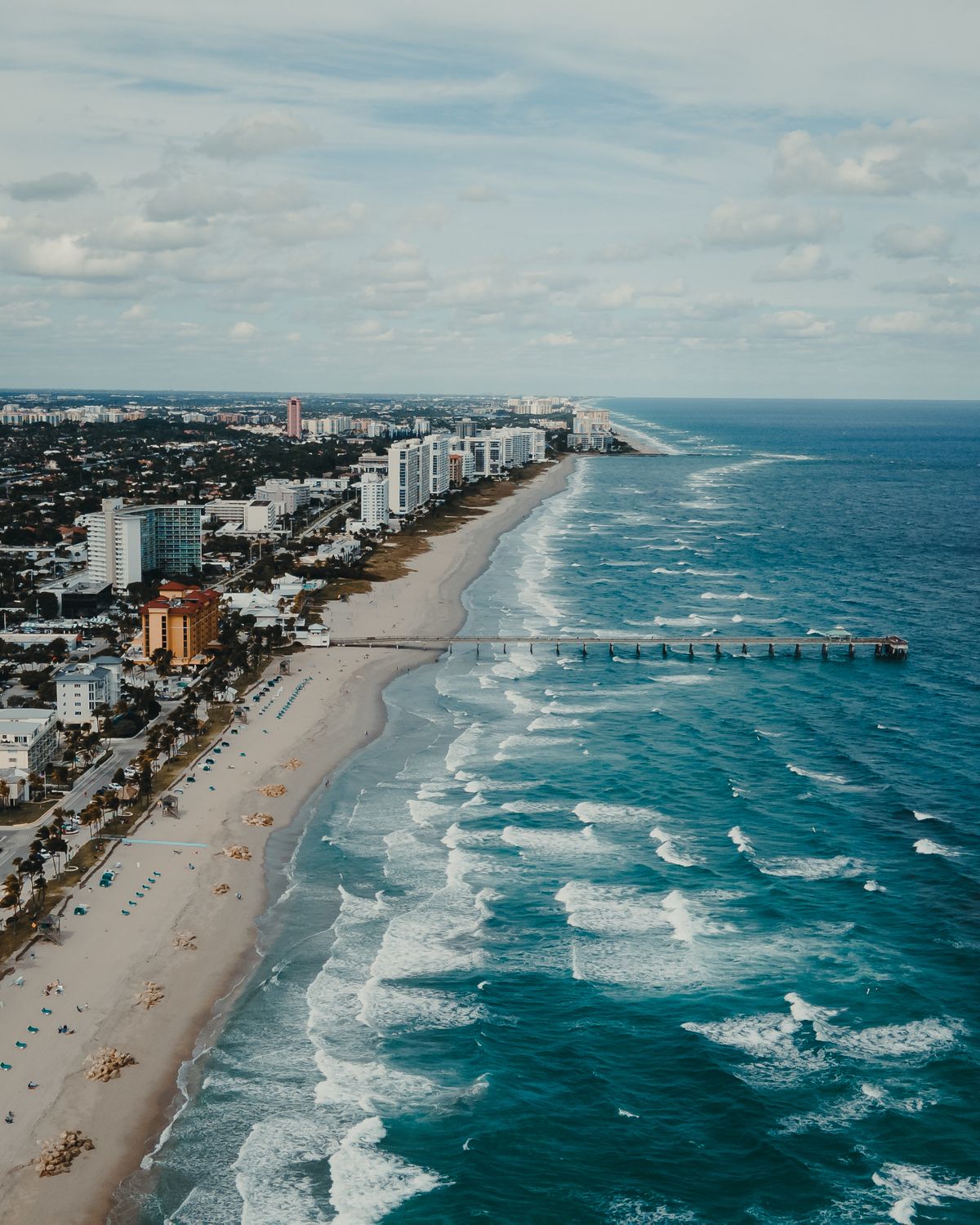
Nesting activity is distributed across all of Northeast Florida's beaches, though specific stretches see higher nest densities based on beach width, dune integrity, and sand conditions. Amelia Island, with its wide natural beaches and relatively limited development density, is a particularly important nesting area at the northern end of the region. The Jacksonville Beaches -- Atlantic Beach, Neptune Beach, Jacksonville Beach -- also see significant nesting activity, and local conservation volunteers do excellent work monitoring these areas through the summer months. South toward St. Augustine and Ponte Vedra Beach, nesting continues along the coast.
Each of these beach communities has its own character during nesting season, but the shared experience of the nest markers in the dunes, the morning crawl tracks in the sand, and the lights-out culture on the beach creates a kind of regional identity that residents value. It is one of the ways that living on this stretch of Florida coast feels different from simply visiting it.
Frequently Asked Questions
Can I watch for sea turtle nests on my own?
You can certainly walk the beach in the early morning during nesting season and observe crawl tracks -- the distinctive tractor-like marks left by a nesting female. If you find an unmarked nest (a fresh crawl with a disturbed area in the dunes), the correct approach is to note the location and contact your local county sea turtle program or the Sea Turtle Conservancy so a trained volunteer can mark and document it. Do not disturb the nest or attempt to mark it yourself without proper guidance.
What should I do if I see a sea turtle on the beach at night?
Observe quietly from a significant distance -- at least 30 feet -- and do not approach the turtle, make noise, or use lights of any kind including phone flashlights or camera flashes. Turtles that are disturbed while selecting a nesting site may abort the nesting attempt and return to the ocean without laying eggs. If the turtle is already nesting, she will typically complete the process without being scared off, but disturbance still causes stress. Give her space and let it happen.
Are there organized sea turtle programs for residents to get involved with?
Yes. The Sea Turtle Conservancy operates programs in the Northeast Florida area, and several county-level conservation programs train and deploy volunteer nest surveyors throughout the season. The Jacksonville Beach and Atlantic Beach areas have active local volunteer networks as well. Volunteering as a morning beach surveyor -- walking the beach before sunrise to identify and document new nests -- is a genuinely meaningful way to connect with the natural environment here and contribute to work that matters.
Does nesting season affect beach access in Northeast Florida?
The nests are marked and protected, but they do not close the beach -- they simply require visitors to stay away from the marked nest areas. The beaches remain fully accessible throughout nesting season. The main adjustment for beach-goers is to be mindful of nest markers in the dunes and to follow lights-out guidelines after dark. The culture around nest respect is well-established in Northeast Florida communities, and most visitors are happy to participate once they understand what is happening.
Search Northeast Florida Homes
Browse active listings in Nocatee, RiverTown, Tributary, Shearwater, Silverleaf, and communities across St. Johns and Nassau Counties.
What To Do Right Now
If sea turtle season is the kind of thing that makes Northeast Florida feel like somewhere you want to live -- not just visit -- that instinct is worth following. There is a lot more where that came from.
Call or text Joey Larsen at 904-863-6679, or visit RetireMeToFlorida.com to get started.
Categories
- All Blogs (414)
- Buyer Questions (10)
- Buyer Resources (14)
- Communities (8)
- Cost of Living (6)
- Insurance & Risk (1)
- Jacksonville / St. Johns County (3)
- Joey Studies The Market (1)
- Local Area Happenings (1)
- Local Favorites (83)
- Market Intelligence (82)
- Market Update (3)
- Nocatee (2)
- Northeast Florida Market (1)
- Our Communities (4)
- Questions Buyer Are Asking (25)
- Questions Sellers Are Asking (8)
- Real Estate Done Right (11)
- Relocation (1)
- Relocation Guides (73)
- Retirement Planning (4)
- Seller Resources (3)
- The Florida Life (89)
Recent Posts