Moving to St. Augustine Beach: What Every Out-of-State Buyer Should Know

What Should You Know Before Moving to St. Augustine Beach from Out of State?
You have probably been thinking about this longer than you let on. The idea starts quietly -- maybe during a rough February in Ohio, or a particularly bad commute in northern Virginia, or a weekend trip to Florida where you looked at the sky and thought something you did not say out loud. And then gradually you start searching. And you find St. Augustine. And then you find St. Augustine Beach, just four miles from the oldest city in America, with a real Atlantic beach out front and Anastasia State Park at the edge of the neighborhood -- and the price points are not what you expected. And now you want to know if this is real. It is. Here is what every out-of-state buyer should understand before they make it official.
St. Augustine Beach is a coastal community on Anastasia Island in St. Johns County, Florida -- roughly four miles from historic downtown St. Augustine. It offers genuine Atlantic beach access, proximity to Anastasia State Park, and a mix of year-round residents and seasonal buyers at price points that are generally more accessible than Ponte Vedra Beach to the north. For out-of-state buyers planning a move to Florida's First Coast, it is one of the most complete coastal living options available.
The Geography: What You Are Actually Looking At
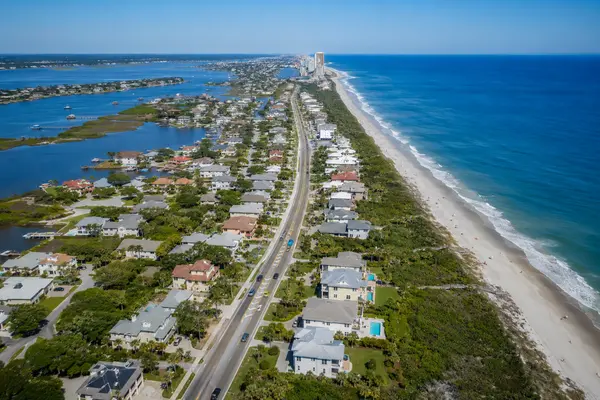
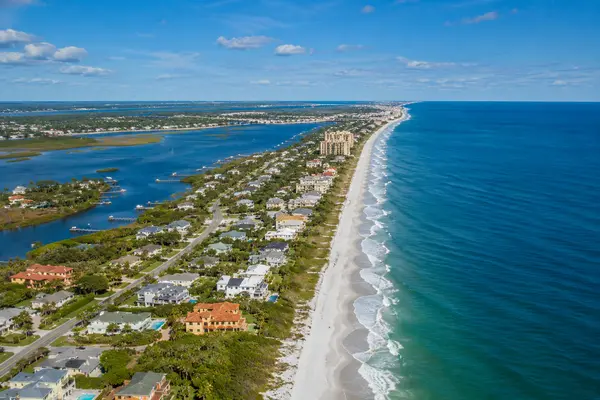
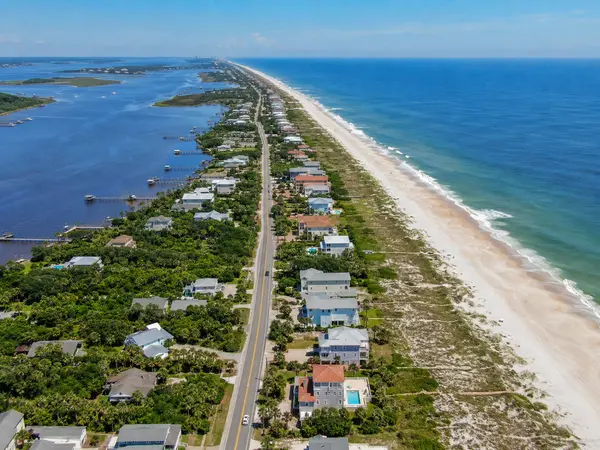
St. Augustine Beach sits on Anastasia Island, a barrier island on Florida's northeast coast. The Atlantic Ocean is on the eastern shore. The Intracoastal Waterway runs along the western edge of the island. Anastasia State Park -- more than 1,600 acres of preserved coastal land -- forms the northern boundary of the community, acting as a natural buffer that ensures a significant stretch of the island's coastline will never be developed.
The island is connected to the mainland by bridges, and the commute to downtown St. Augustine is genuinely short. Most residents describe driving downtown as something they do without thinking about it -- for dinner, for a festival, for a Saturday morning at the farmers market. The combination of island pace and city access is one of St. Augustine Beach's most underappreciated qualities.
What Makes St. Augustine Beach Different from Other First Coast Communities
Every beach community on Florida's First Coast has a distinct personality. Ponte Vedra Beach is prestige and privacy -- gated communities, TPC Sawgrass, natural hammock landscapes, the kind of coastal community that people mean when they say Florida's First Coast is underrated. Jacksonville Beach has pier energy and walkability. Neptune Beach has a small-town feel. Atlantic Beach has deep residential roots.
St. Augustine Beach has something none of them have: St. Augustine itself, four miles away. The oldest continuously occupied European settlement in America, with a historic downtown that has been drawing visitors and new residents for generations. Living in St. Augustine Beach means you have beach access and a world-class historic city in the same daily orbit. That combination is genuinely rare on the entire East Coast.
The Price Point Reality
For out-of-state buyers coming from markets in the Midwest or Northeast, St. Augustine Beach prices can feel like a discovery. Coastal Florida -- particularly barrier island communities -- carries a premium over inland living, but St. Augustine Beach has historically offered more accessible entry points than Ponte Vedra Beach to the north, which sits at the premium end of the First Coast market.
What you get for your money here -- ocean proximity, a preserved state park at the edge of the neighborhood, the cultural life of downtown St. Augustine, and the Florida tax environment -- is a package that buyers from higher-cost coastal markets on the East Coast consistently find compelling. It is not an accident that St. Augustine Beach draws a significant number of out-of-state buyers each year.
Planning a Move to St. Augustine Beach from Out of State?
There is a lot to know about buying on a barrier island in Florida -- from flood zones to property types to what the relocation process looks like when you cannot easily drive by a house three times before making an offer.
Call or text Joey Larsen: 904-863-6679
or visit RetireMeToFlorida.com
Flood Zones and Insurance: Read This Before You Fall in Love with a House
Barrier island living in Florida means flood zone awareness is not optional -- it is foundational to understanding what a property actually costs to own. Properties in St. Augustine Beach carry a range of FEMA flood zone designations, from relatively low-risk zones to higher-risk coastal and AE zones where flood insurance is required by lenders. The specific zone matters enormously for your annual carrying costs.
Out-of-state buyers are sometimes surprised by the cost of flood insurance on properties close to the water. The best approach is to identify the flood zone designation and obtain an insurance quote before you are emotionally committed to a property. A local agent who works this market regularly can help you understand what the zone means and what the real cost of ownership looks like before you make an offer.
What to Expect From the Florida Homebuying Process
Florida is a unique state for real estate transactions, and if you are coming from a northern state, some things will feel different. Florida uses title companies -- not attorneys -- to close most residential transactions, which is a common adjustment for buyers from states where attorneys traditionally handle closings. The contract process is somewhat different from many northern states as well, and timelines can move quickly, particularly when inventory is competitive.
For out-of-state buyers who cannot easily make repeated trips to see properties in person, having a trusted local agent who can do thorough walkthroughs, provide detailed video, and give you honest assessments of neighborhood context is not a luxury -- it is essential. St. Augustine Beach is a small enough community that local knowledge makes a significant difference in identifying the right property and avoiding the ones that look better in photos than in reality.
The Community Character: Who Lives Here
St. Augustine Beach is a year-round community with a genuine mix of longtime Florida residents, recent transplants from northern states, retirees who came for the pace and stayed for the culture, and families who value the combination of coastal access and proximity to a real city. It is not a resort town -- the locals outnumber the tourists in most areas of the community, and the neighborhood character reflects that.
Anastasia State Park gives the community an outdoor recreation backbone that goes well beyond the beach itself. Camping, kayaking, hiking trails, bird watching, and swimming areas within the park mean that outdoor life in St. Augustine Beach is genuinely rich, even for buyers who are not spending every day on the ocean.
Practical Things Out-of-State Buyers Often Do Not Think to Ask
The Florida homestead exemption is worth understanding before you close. If you establish permanent Florida residency and make St. Augustine Beach your primary home, you may qualify for a meaningful reduction in your taxable property value -- and the Save Our Homes cap protects against dramatic year-over-year increases in assessed value once you are established. These tax protections are a real financial benefit that buyers from high-property-tax states find particularly meaningful.
Timing your move also matters more in Florida than in many other states. The rental market for interim housing near the beach is seasonal, and if you plan to rent while you look for the right property, understanding that dynamic early gives you more options. Moving during the slower season -- fall and early winter -- often provides more flexibility in both rental availability and the purchase negotiation process.
What First-Time Florida Buyers Consistently Say After They Arrive
There is a version of this that almost every out-of-state buyer describes. They planned to buy a vacation home. They came down to look. They drove around St. Augustine Beach and walked the beach and drove into downtown for dinner and sat outside at a waterfront restaurant in December in short sleeves. And on the drive back to their hotel they looked at each other and changed the plan.
The change is not usually about the property they saw or the market conditions or the price point. It is about the realization that the life is real -- the warmth, the pace, the history, the beach, the food, the water -- and that waiting to live it does not make much sense. That is the conversation that starts the real process.
Frequently Asked Questions
Is St. Augustine Beach a good place to retire?
St. Augustine Beach is one of the strongest retirement options on Florida's First Coast. It offers Atlantic beach access, Anastasia State Park, and proximity to the cultural richness of historic downtown St. Augustine -- a combination that gives retirees both natural beauty and genuine city life within a short drive. The community has a significant year-round retired population, and the Florida tax environment adds a meaningful financial dimension to the lifestyle appeal. Price points are generally more accessible than Ponte Vedra Beach while still offering coastal living of real quality.
How far is St. Augustine Beach from Jacksonville?
St. Augustine Beach is approximately 45 to 55 minutes from downtown Jacksonville by car, depending on traffic and the specific route. The drive typically goes south on I-95 and then east to the coast via A1A or the connector roads to Anastasia Island. For buyers who are considering St. Augustine Beach but have connections to Jacksonville for work or family, the drive is manageable for occasional trips though it is not a daily commute most people would choose for an office-based job.
What is the difference between St. Augustine Beach and Vilano Beach?
Both communities are near St. Augustine on barrier islands, but they are on opposite sides of the city. Vilano Beach is north of St. Augustine, quieter and more lightly developed, with strong Intracoastal Waterway frontage on the western shore. St. Augustine Beach is south of the city on Anastasia Island, with a slightly more active community presence, more commercial development, and direct adjacency to Anastasia State Park. Vilano Beach tends to attract buyers who want maximum quiet; St. Augustine Beach tends to attract buyers who want coastal living with more community infrastructure around it.
Search Northeast Florida Homes
Browse active listings across Florida's First Coast -- from oceanfront homes and beachside condos in Ponte Vedra Beach, Jacksonville Beach, Neptune Beach, and Atlantic Beach to waterfront properties in St. Augustine Beach, Vilano Beach, Fernandina Beach, and beyond.
[LOFTY_IDX_WIDGET_PLACEHOLDER -- Joey: replace with your Lofty IDX embed code for NE Florida search.]What To Do Right Now
If St. Augustine Beach is the destination you have been circling, the best next step is a real conversation about what the process looks like for an out-of-state buyer -- timelines, what to look for, how to evaluate properties remotely, and how to make a move like this work on your schedule.
Call or text Joey Larsen at 904-863-6679, or visit RetireMeToFlorida.com to get started.
Categories
- All Blogs (267)
- Buyer Questions (10)
- Buyer Resources (14)
- Communities (8)
- Cost of Living (6)
- Insurance & Risk (1)
- Jacksonville / St. Johns County (3)
- Joey Studies The Market (1)
- Local Area Happenings (1)
- Local Favorites (46)
- Market Intelligence (46)
- Market Update (3)
- Nocatee (2)
- Northeast Florida Market (1)
- Our Communities (4)
- Questions Buyer Are Asking (25)
- Questions Sellers Are Asking (8)
- Real Estate Done Right (11)
- Relocation (1)
- Relocation Guides (36)
- Retirement Planning (4)
- Seller Resources (3)
- The Florida Life (52)
Recent Posts