Moving from Michigan to Northeast Florida: What to Expect

What Really Changes When You Trade Michigan for Northeast Florida?
There is a particular kind of February morning in Michigan that a lot of people carry with them long after they leave. The car is buried again. The salt has turned the wheel wells white. You are standing in the driveway at seven in the morning with a scraper in your hand, and the sky is the same flat pewter it has been since November. You are not miserable, exactly. You are just tired of the negotiation.
Now picture a Tuesday in Nocatee in that same month. The garage door is up, the coffee is still hot, and you are walking to the mailbox in a fleece you will take off before you get back inside. That is the switch most Michigan families are actually making. It is not just weather. It is what the weather lets you do with your day.
Moving from Michigan to Northeast Florida means trading snow-load construction, basements, and a short outdoor season for slab-built homes, year-round outdoor living, and a very different rhythm to the year. Most Michigan buyers land in St. Johns County communities like Nocatee, RiverTown, and Shearwater, or along the coast in Jacksonville Beach and Fernandina Beach. The biggest adjustments are humidity, hurricane season preparation, and the fact that summer becomes your indoor season instead of winter.
Your Relationship With Water Completely Changes
Michigan teaches you to love fresh water. You know the difference between Lake Michigan sunsets and Lake Huron mornings. You know the smell of a boat cover coming off in May and going back on in September. Water is seasonal there, and that seasonality is part of what makes it precious.
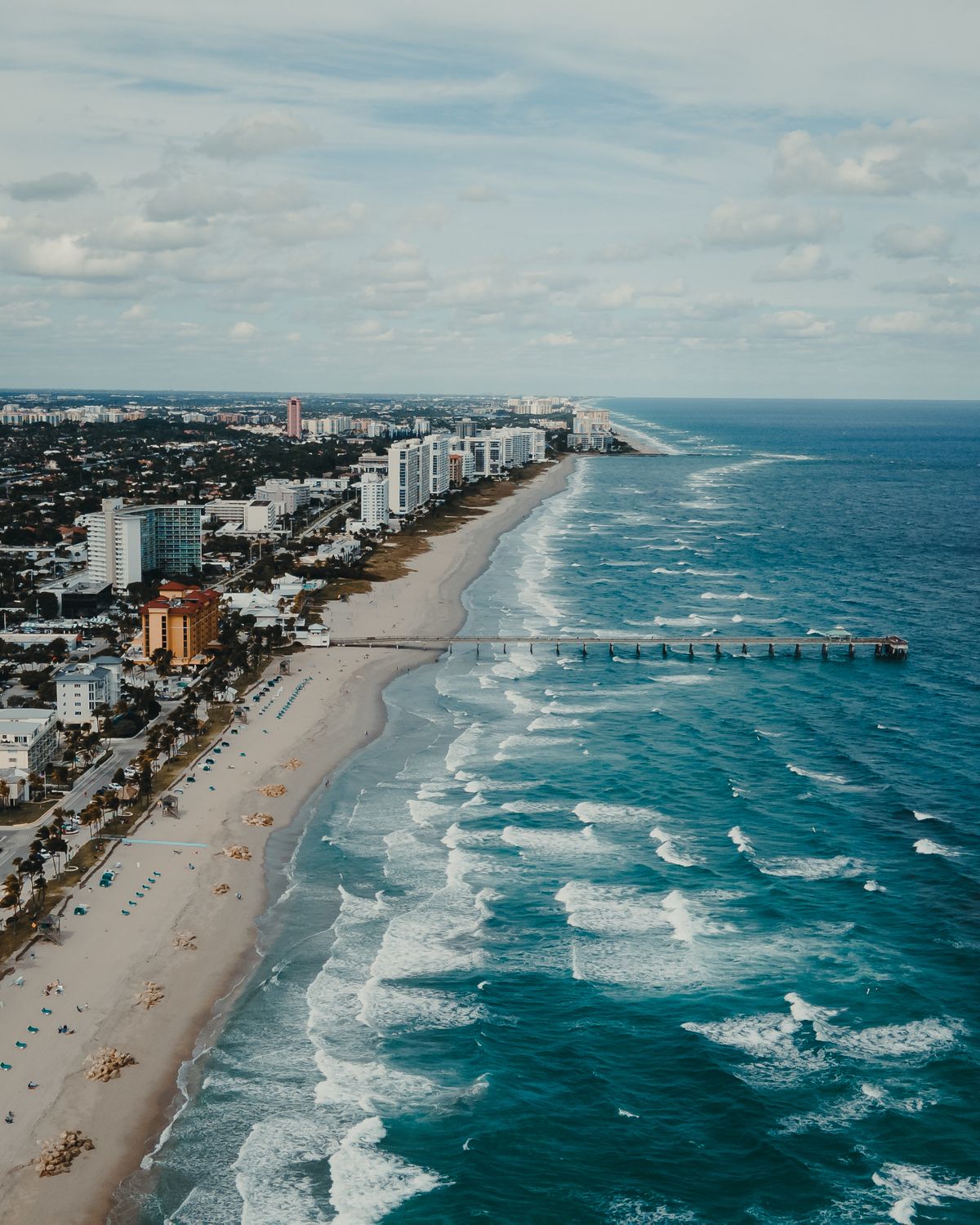
Northeast Florida hands you water that never closes. The Intracoastal runs behind neighborhoods in Palencia and along the Nassau County marshes. The St. Johns River widens past RiverTown until it looks more like a bay than a river. And the Atlantic sits at the end of a fifteen minute drive from a lot of St. Johns County addresses.
The adjustment is mental more than logistical. You stop planning around a short window. Your kayak does not get winterized. Your fishing calendar is no longer a countdown. Michigan transplants often say it takes a full year before they stop treating a warm Saturday as an emergency to be seized.
The House Is Built to Fight a Different Enemy
A Michigan house is engineered against frost, snow load, and freeze-thaw cycles. Deep footings. A basement you have probably finished, or at least filled. Attic insulation measured in feet. Windows that seal against wind chill.
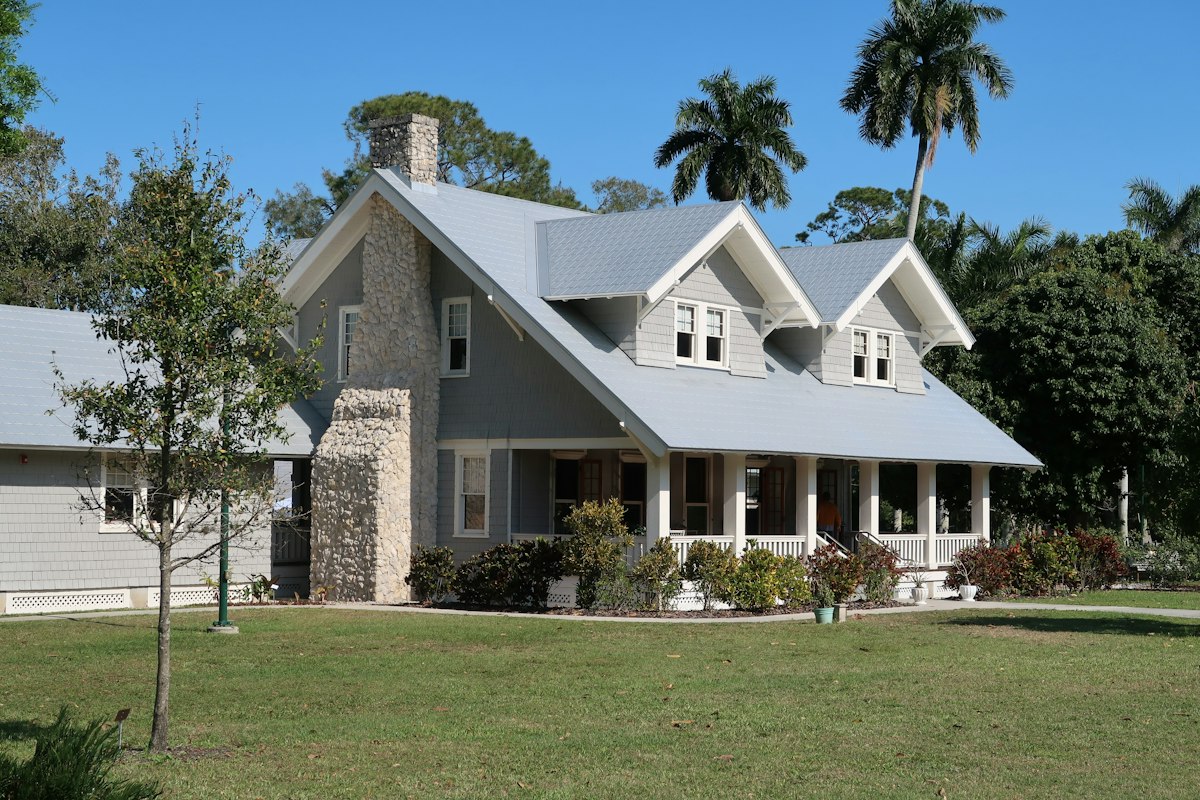
A Northeast Florida house is engineered against heat, moisture, and wind. Concrete block or wood frame on a slab. No basement, which means your storage plan needs rethinking before the truck is loaded. Hurricane-rated windows or shutters on newer construction. An HVAC system that runs hard for eight months and matters more here than your furnace ever did in Grand Rapids.
None of that is worse. It is just different, and it changes what you should look at during a showing. In Michigan you check the foundation and the roof age. Here you check the roof age, the age of the HVAC system, the insurance history, and whether the home sits inside a flood zone. Those four items drive more Florida buying decisions than square footage does.
Summer Becomes the Season You Plan Around
In Michigan, winter is the season you organize your life around. In Northeast Florida, July and August take that job. The heat is genuine, the afternoon thunderstorms arrive on a schedule you can nearly set a watch to, and outdoor plans shift to early morning or evening.
What surprises Michigan families is how much they gain in exchange. January through April here is close to perfect. October and November are arguably better. That is roughly seven months of the year when the porch, the pool, and the trail are simply available, no negotiation required.
Communities have been built around that reality. Nocatee has splash parks and a lazy river. Shearwater has a kayak club on Trout Creek. Tributary in Yulee leans into trails and open preserve land. You are buying into a lifestyle infrastructure that assumes you will be outside.
Selling in Michigan and Buying in Florida at the Same Time?
The two-sided move is the part most people underestimate. Let's map out the timing, the equity picture, and what your Michigan sale realistically buys you here.
Call or text Joey Larsen: 904-863-6679
or visit RetireMeToFlorida.com
Timing the Michigan Sale Against the Florida Purchase
Most Michigan buyers are not cash-in-hand shoppers on day one. You own a home in Novi or Traverse City or Rochester Hills, and that home has to sell before the Florida purchase becomes real. That single fact shapes everything about your strategy.
The Michigan selling season is compressed. Spring and early summer carry most of the buyer traffic. Northeast Florida, by contrast, has a longer and flatter selling calendar because so much of the demand comes from people relocating year-round. That mismatch is an opportunity if you plan for it and a headache if you do not.
Practically, that means deciding early whether you will sell first and rent here briefly, buy first and carry two payments for a stretch, or write a Florida offer contingent on your Michigan closing. Each path has a real cost and a real risk. The right answer depends on your equity position and how much uncertainty you can comfortably hold.
Where Michigan Transplants Tend to Land
There is no single answer, but patterns show up. Families and pre-retirees who want space, amenities, and newer construction gravitate toward St. Johns County. Nocatee, RiverTown, Shearwater, and Silverleaf all draw heavily from the Midwest.
Buyers who want a golf-centered or quieter pace often look at World Golf Village or Palencia. People chasing walkability and salt air head to Jacksonville Beach, Neptune Beach, or Atlantic Beach, where the housing stock is older and the lots are smaller but you can walk to dinner.
Nassau County has become the quiet favorite for Michigan buyers who want a small-town feel. Fernandina Beach and Amelia Island have the historic downtown character that reminds a lot of people of Michigan lake towns, and Yulee offers newer construction at a different price point. Clay County, around Fleming Island, tends to attract buyers who want more land and an easy line into Jacksonville.
What Nobody Warns You About
Humidity is not the same as heat, and it takes a season to adjust. Your first summer will feel harder than your second.
Hurricane season runs June through November, and preparation becomes a normal part of the year rather than a crisis. You will learn your evacuation zone, you will keep supplies, and after a couple of seasons it will feel about as dramatic as a Michigan blizzard forecast does now.
Distances stretch. Northeast Florida is spread out, and a trip from Fernandina Beach to St. Augustine is a real drive. And insurance is a bigger line item in your monthly budget here than it likely was in Michigan, which is why it belongs in your math from the very first conversation rather than at the closing table.
Frequently Asked Questions
Do I need to worry about not having a basement?
Mostly it is a storage question. Florida homes compensate with larger garages, walk-in closets, and sometimes bonus rooms over the garage. Plan on downsizing what you store, and look closely at garage depth and closet layout during showings if storage matters to you.
How does the cost of homeownership compare to Michigan?
The categories shift rather than simply going up or down. Florida has no state income tax, which changes your overall picture, but homeowners insurance and community fees such as HOA and CDD assessments are typically larger factors here than in Michigan. Look at the full monthly carrying cost, not just the mortgage payment.
Should I visit in the summer before buying?
It is a genuinely good idea. Almost everyone who visits Northeast Florida in February falls in love. Visiting in August tells you whether you are making a decision you can live with in every month of the year.
Can I buy in Northeast Florida before my Michigan home sells?
Yes, and plenty of people do, but it depends on your financing and your comfort with carrying two properties temporarily. The alternative is selling first and renting here for a few months while you shop in person, which many buyers find lowers the stress considerably.
Search Northeast Florida Homes
Browse active listings across Northeast Florida, from master-planned communities in Nocatee, RiverTown, Tributary, and St. Johns County to coastal homes in Ponte Vedra Beach, Jacksonville Beach, Neptune Beach, and Atlantic Beach.
What To Do Right Now
If Northeast Florida is somewhere on your horizon, the useful first step is not house hunting. It is understanding what your Michigan home is worth today and what that number actually buys you here.
Call or text Joey Larsen at 904-863-6679, or visit RetireMeToFlorida.com to get started.
Categories
- All Blogs (470)
- Buyer Questions (10)
- Buyer Resources (14)
- Communities (8)
- Cost of Living (6)
- Insurance & Risk (1)
- Jacksonville / St. Johns County (3)
- Joey Studies The Market (1)
- Local Area Happenings (1)
- Local Favorites (97)
- Market Intelligence (96)
- Market Update (3)
- Nocatee (2)
- Northeast Florida Market (1)
- Our Communities (4)
- Questions Buyer Are Asking (25)
- Questions Sellers Are Asking (8)
- Real Estate Done Right (11)
- Relocation (1)
- Relocation Guides (87)
- Retirement Planning (4)
- Seller Resources (3)
- The Florida Life (103)
Recent Posts