Moving From a Cold-Weather State to Florida's First Coast: What the First Year Is Really Like
You Made the Move -- Now What Does Life on Florida's First Coast Really Look Like?
You packed the truck, drove south, crossed the Florida border, and eventually found yourself pulling into a driveway in a beach community you'd only visited twice before. The air felt different. The light felt different. And for the first three weeks, everything felt a little disorienting in the best possible way. Moving from a cold-weather state to Florida's First Coast is a life change that most people describe as one of the best decisions they ever made -- but the first year has its own learning curve, and knowing what to expect makes it far smoother.
The first year after moving from a cold-weather state to Florida's First Coast -- including communities like Ponte Vedra Beach, Jacksonville Beach, Neptune Beach, and St. Augustine Beach -- is typically marked by delight at the lifestyle, some adjustment to the climate and rhythms of coastal living, and a gradual process of building community. Most people find that by the end of year one, they wonder why they waited so long.
The First Few Weeks: Everything Is Different and That's the Point
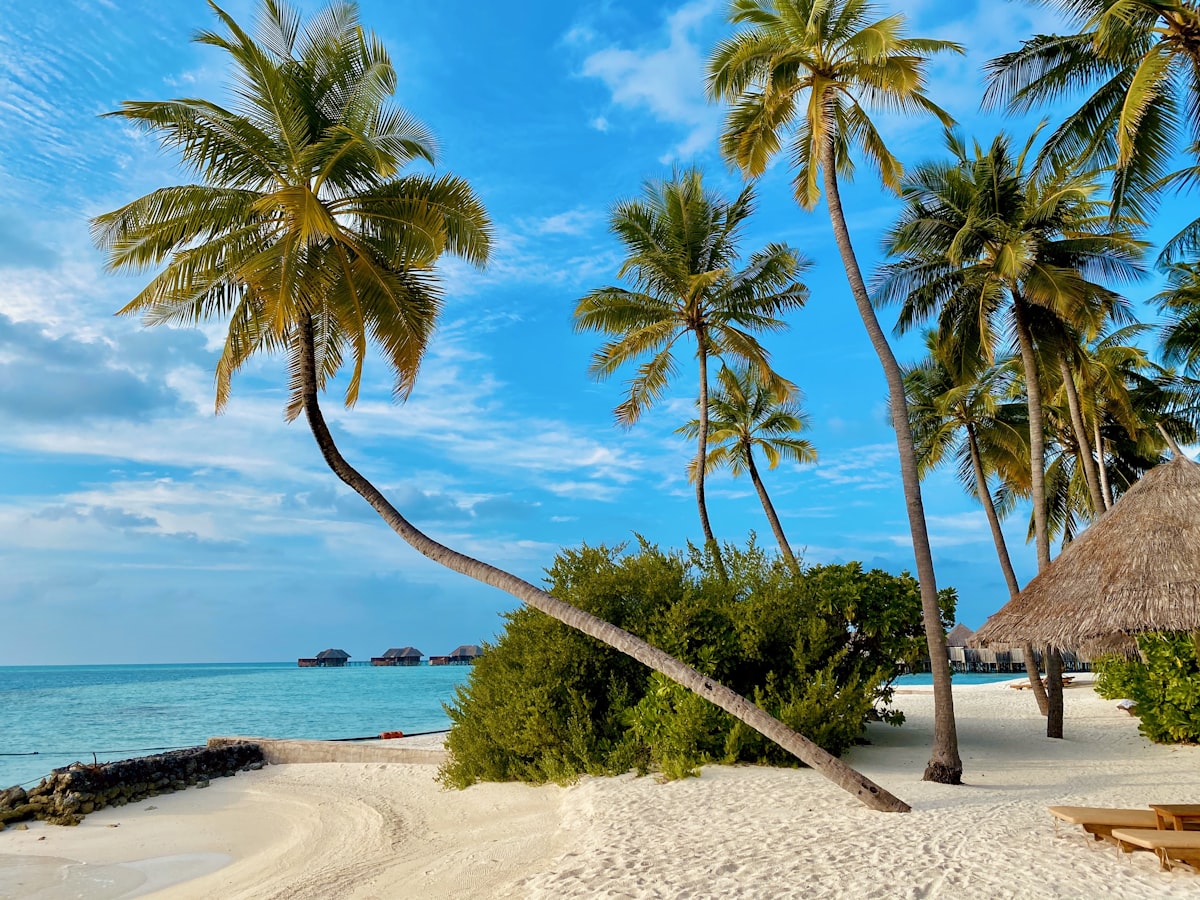
The initial weeks after arriving on the First Coast from somewhere like Ohio, New York, Pennsylvania, or Minnesota carry a particular kind of sensory overload. The palm trees are real. The beach is ten minutes away. You can wear shorts in what used to be the middle of sweater season. The adjustment is real, but it runs in the right direction for most people.
First-time residents often describe a kind of recalibration -- the stress markers that built up over years of gray winters, long commutes, and weather-driven routines start to loosen. It doesn't happen overnight, but it happens faster than most people expect. By the end of the first month, most new First Coast residents have walked the beach more times than they did on five vacations combined.
Learning the Lay of the Land: Which Beach Town Is Which
One of the first things you learn is that "the beach" is not one thing -- it's a collection of communities that each have their own feel. Ponte Vedra Beach, where many retirees and families settle, is quieter and more residential, without the commercial density of a typical Florida beach town. Jacksonville Beach has a more active social and dining scene, anchored by the pier and SeaWalk Pavilion. Neptune Beach feels like a small town that time mostly forgot in the best way. Atlantic Beach is even quieter, with a community-first character that residents take pride in.
Head south and you're moving toward Vilano Beach -- a barely-there barrier island strip between Ponte Vedra and St. Augustine -- and then St. Augustine itself, the oldest city in the country. Further north, Fernandina Beach and Amelia Island have their own distinct Victorian-era character and a shrimping heritage that shows up on every menu. Getting to know all of these communities takes most of the first year, and the process is genuinely enjoyable.
The Climate Adjustment Is Real -- and Worth It
Florida's First Coast is not the year-round tropical paradise that postcards suggest. The summers are hot and humid, and if you're arriving from a place where summers were mild, the July and August heat can catch you off guard. This is when new residents learn to shift their outdoor activities to early morning and evening, use the afternoon heat as an excuse for the beach or a cool restaurant, and stop fighting the season.
The winters, though, are the revelation. While your former neighbors are shoveling driveways and scraping windshields, you're walking the beach at Ponte Vedra in 65-degree sunshine in January, windows down on the drive home. The psychological weight of a First Coast winter -- or rather, the absence of a real winter -- is something former cold-weather residents talk about with genuine emotion. It's hard to explain until you've lived it.
Still Planning Your Move to Florida's First Coast?
Whether you're a year out or ready to start looking now, Joey Larsen can help you understand what living here actually looks like -- and find the right community and home to match how you want to live.
Call or text Joey Larsen: 904-863-6679
or visit RetireMeToFlorida.com
Building Community: It Takes Time and It's Worth It
The hardest part of the first year for most transplants isn't the climate or the logistics. It's the social reset. You left a network -- neighbors, colleagues, friends -- and now you're starting from scratch in a place where everyone else already has their people. It takes longer than you expect, and it can feel lonelier than you anticipated, especially in the first three months.
What most people find is that the community starts to form around shared routines. Morning beach walks that turn into regular coffee meetups. Neighbors who introduce themselves in ways that don't happen in dense suburban subdivisions. Golf clubs, pickleball courts, church communities, beach yoga groups, local volunteer organizations, arts programs in Jacksonville. The infrastructure for community is here -- it just requires some intentional effort to plug into it, especially for retirees who are used to work providing the social scaffolding.
The Practical Stuff That Catches People Off Guard
Florida has its practical realities that new residents from cold-weather states often underestimate. Flood insurance is not just a consideration -- for many properties in coastal communities like Jacksonville Beach, Neptune Beach, and Ponte Vedra Beach, it's a required part of homeownership and affects your monthly cost in a meaningful way. Understanding your specific property's flood zone status before you buy is essential.
Hurricane preparedness is another adjustment. The First Coast hasn't had a direct major hit in recent history, but the preparedness culture is real and worth embracing: knowing your evacuation routes, having a supply kit, understanding your shutters or impact windows, and having a plan for the season. Most longtime First Coast residents treat hurricane prep as a routine annual habit rather than something to stress about.
What the Second Year Looks Like
By the time the second year starts, most First Coast transplants have made the mental shift from "living somewhere new" to "living here." The communities are familiar. The favorite spots have been found. The seasonal rhythms -- snowbirds arriving in winter, beach crowds picking up in spring and summer, the glorious quiet of fall -- are understood and even anticipated. A few friendships have formed that feel like they could last.
Most people also discover in year two that they start recommending the First Coast to friends and family back home. Not in a salesy way -- in the genuine way that happens when something has exceeded your expectations and you want the people you care about to know it exists.
What to Know Before You Move: Advice From the First Year
Visit in the summer before you commit to moving, not just in the winter. That's the season most cold-weather visitors experience, and it gives an unrealistically gentle impression of the climate. Experiencing a July afternoon tells you the full picture and helps you plan for it. If you can love the First Coast in August, you'll love it twelve months of the year.
Also: don't rush the community selection. The difference between Ponte Vedra Beach, Neptune Beach, Jacksonville Beach, and St. Augustine Beach in terms of daily life character is real and significant. Spending time in each community -- staying a few days, eating locally, walking the neighborhoods -- before you commit to a specific area is one of the best investments you can make in a decision of this size.
Frequently Asked Questions
How long does it typically take to feel settled after moving to Florida's First Coast?
Most transplants from cold-weather states describe the full "settled" feeling arriving somewhere between 6 and 18 months after the move. The logistical adjustment -- new routines, new doctors, new local knowledge -- typically resolves within a few months. The social adjustment takes longer, especially for retirees who are building a new community outside of a work context. The good news is that the First Coast has a large and active community of people who made the same move, which makes the process easier than relocating to a place without that built-in commonality.
Which First Coast beach community is best for someone moving from out of state?
There's no single right answer -- it depends on how you want to live. Ponte Vedra Beach suits buyers who want prestige, natural beauty, and coastal tranquility at a higher price point. Jacksonville Beach works well for buyers who want walkability and a more social beach-town environment. Neptune Beach and Atlantic Beach appeal to those who want a quieter, more neighborhood-oriented feel. St. Augustine Beach attracts buyers who want the historic downtown experience alongside a beach lifestyle. The best way to choose is to spend time in each community before deciding.
What should I do first when planning a relocation to the First Coast?
Start with an honest conversation about lifestyle priorities -- are you looking for quiet or walkable, golf or beach walks, social or private? Then spend real time in the communities that fit that profile. Connect with a local agent who specializes in First Coast beach communities before you start seriously shopping, because local expertise on things like flood zones, specific neighborhood characters, and true market conditions is genuinely different from what you'll find in general online research. The move itself can be planned in parallel, but the community research should come first.
Search Northeast Florida Homes
Browse active listings across Florida's First Coast -- from oceanfront homes and beachside condos in Ponte Vedra Beach, Jacksonville Beach, Neptune Beach, and Atlantic Beach to waterfront properties in St. Augustine Beach, Vilano Beach, Fernandina Beach, and beyond.
[LOFTY_IDX_WIDGET_PLACEHOLDER -- Joey: replace with your Lofty IDX embed code for NE Florida search.]What To Do Right Now
The move to Florida's First Coast starts with a conversation -- about which community fits, what the market looks like, and what you actually need from your next home. That conversation is free, and it's the most useful thing you can do before you start touring houses.
Call or text Joey Larsen at 904-863-6679, or visit RetireMeToFlorida.com to get started.
Categories
- All Blogs (267)
- Buyer Questions (10)
- Buyer Resources (14)
- Communities (8)
- Cost of Living (6)
- Insurance & Risk (1)
- Jacksonville / St. Johns County (3)
- Joey Studies The Market (1)
- Local Area Happenings (1)
- Local Favorites (46)
- Market Intelligence (46)
- Market Update (3)
- Nocatee (2)
- Northeast Florida Market (1)
- Our Communities (4)
- Questions Buyer Are Asking (25)
- Questions Sellers Are Asking (8)
- Real Estate Done Right (11)
- Relocation (1)
- Relocation Guides (36)
- Retirement Planning (4)
- Seller Resources (3)
- The Florida Life (52)
Recent Posts