Living on the Intracoastal in Northeast Florida
Have You Ever Watched the Sun Set Over Open Water From Your Own Backyard?
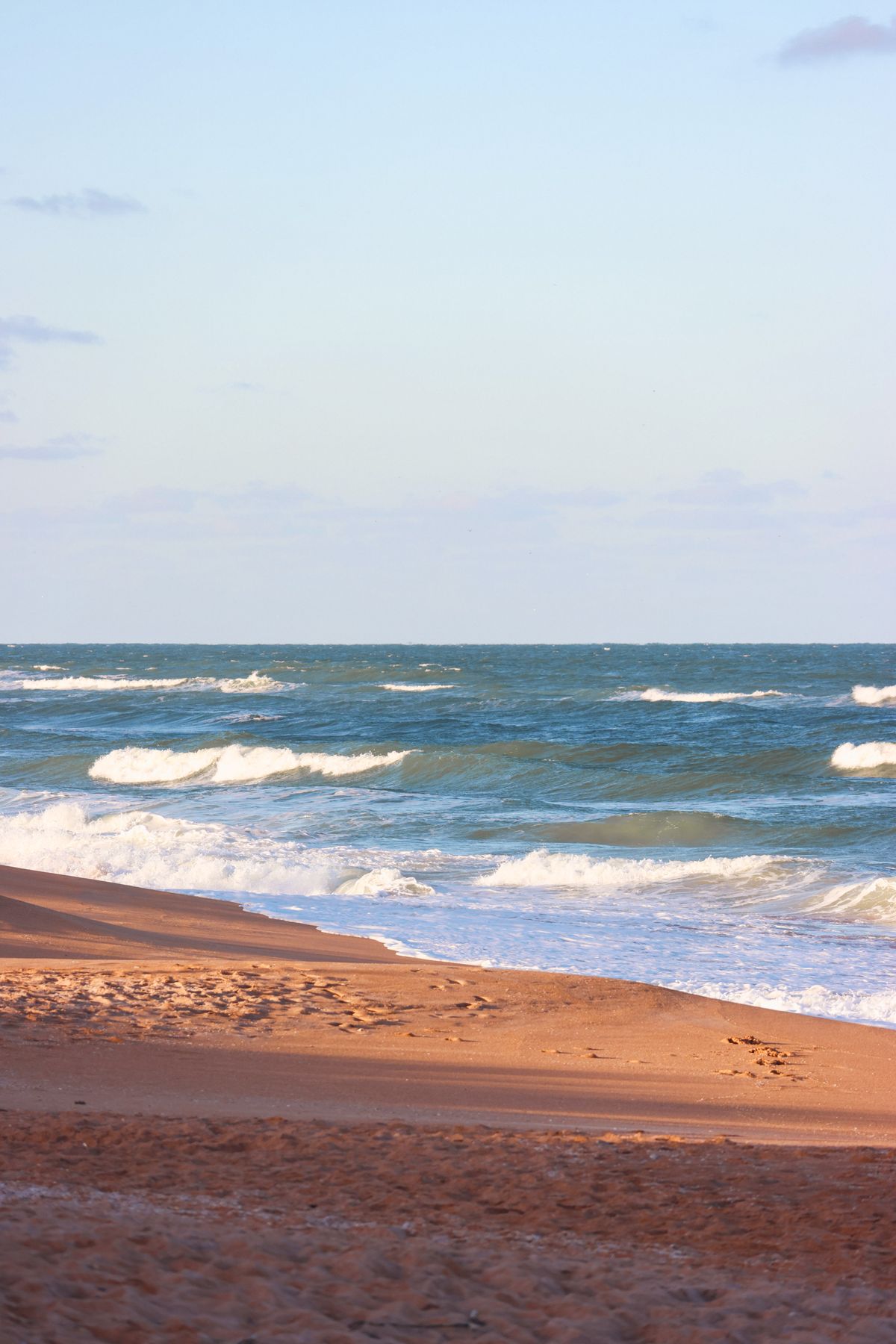
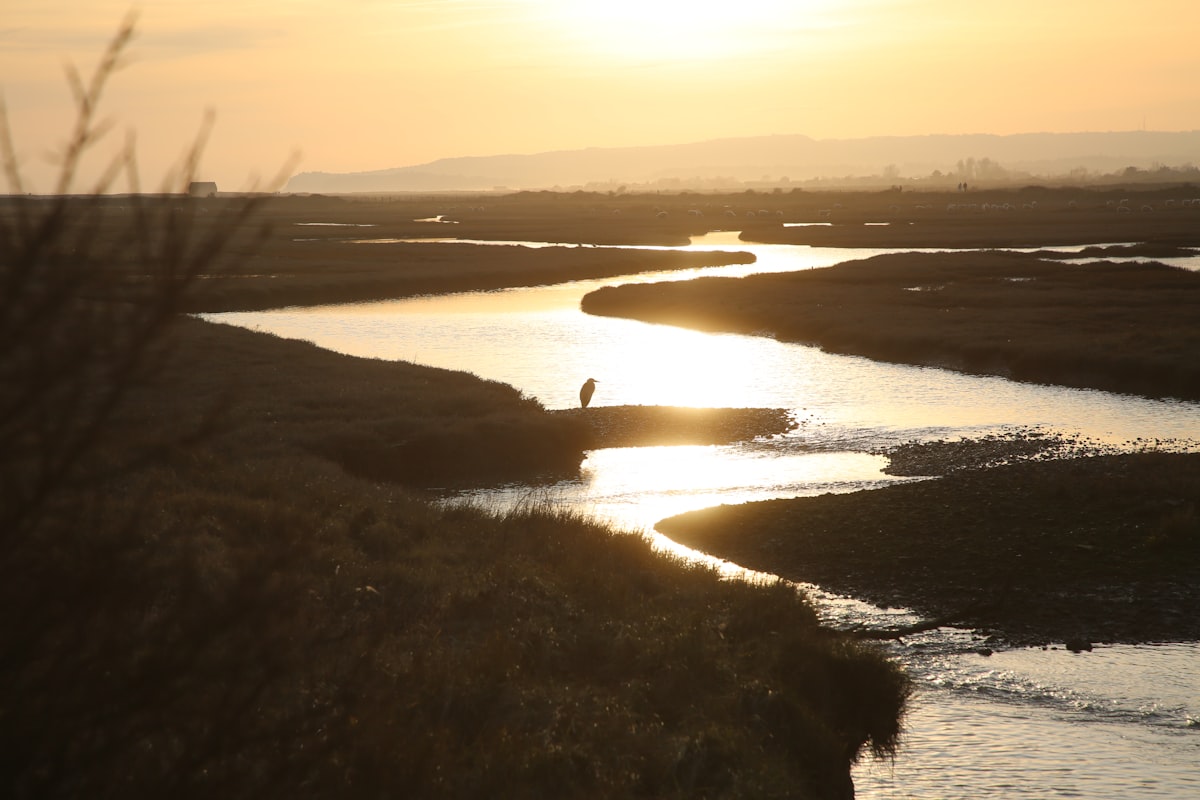
The light changes first. You notice it around five o'clock -- a slow amber shift that settles across the marsh and turns the water into something that doesn't look entirely real. A great egret stands perfectly still at the water's edge, as if it's been there for centuries. A center-console glides past, the captain giving a slow wave, the wake spreading out in quiet V-shaped rings until it reaches your dock and disappears. The air smells faintly of salt and green things. Somewhere nearby, an osprey calls. This is not a vacation. This is Tuesday.
Living on or near the Intracoastal Waterway in Northeast Florida is one of those experiences that people describe, and then struggle to describe. It gets into you. The pace of it, the quality of light, the sense of being connected to something ancient and alive -- it becomes the backdrop of your daily life in a way that's genuinely hard to give up once you've had it.
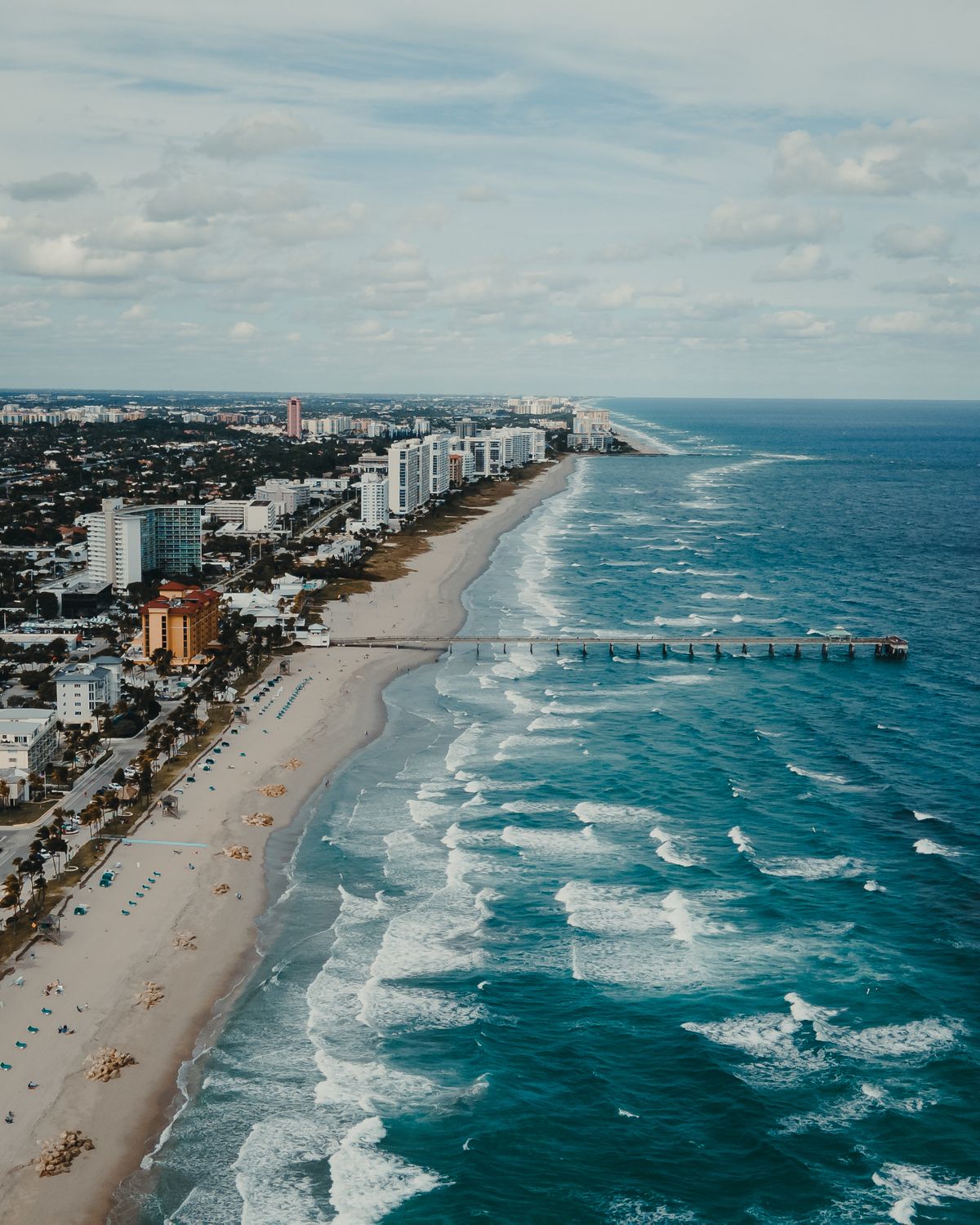
The Intracoastal Waterway runs the full length of Northeast Florida's coast, passing through some of the region's most sought-after communities -- including the Ponte Vedra Beach corridor, Vilano Beach, and the waterways threading between Jacksonville and the Beaches. Homes along the ICW offer direct boating access, exceptional wildlife, and a waterfront lifestyle that draws buyers from across the country.
What the Intracoastal Actually Is -- and Why It Matters Here
The Intracoastal Waterway is a protected inland water route that runs more than 3,000 miles along the East Coast of the United States. In Northeast Florida, it winds through tidal marshes, oak hammocks, and the backwater zones between barrier islands and the mainland. It is not the ocean, but it connects to it. It is not a river, but it moves like one. What it offers is something specific: calm water with boat access to everywhere.
For residents along this corridor, the ICW is a highway they drive by boat. Sunday morning means heading out before the heat settles in, running the waterway north toward the Nassau Sound or south toward St. Augustine Inlet, stopping for lunch at a waterfront spot, and being home before dark. It's a way of life built around the rhythm of the tides.
The Ponte Vedra Beach Corridor -- ICW Living at Its Finest
The stretch of Intracoastal running behind Ponte Vedra Beach is among the most beautiful on the entire Florida coast. Homes here back directly to the waterway or sit on its tributary creeks, with private docks, boat lifts, and views that stretch across the marsh to the barrier island beyond. The combination of privacy, natural beauty, and proximity to the ocean -- just minutes by boat through the inlet -- makes this area a consistent priority for buyers seeking true waterfront living.
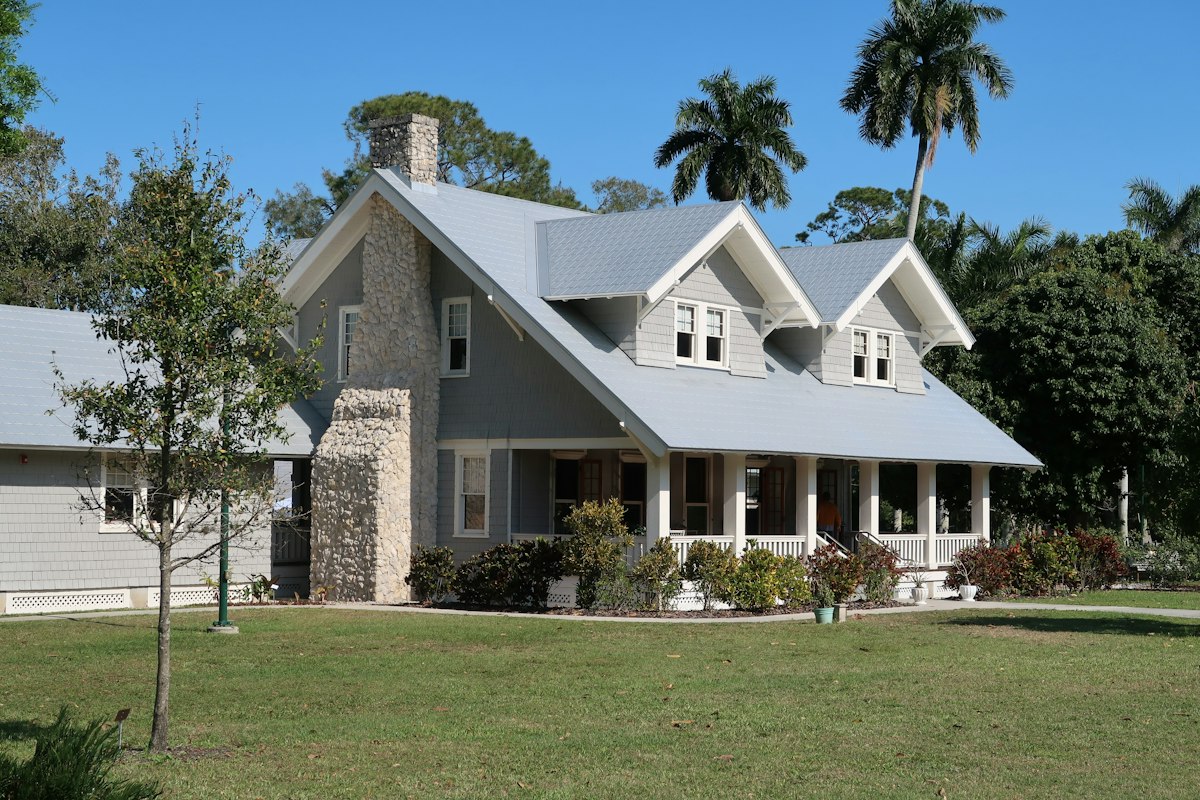
The Ponte Vedra corridor has historically attracted buyers who want the full package: waterfront lifestyle, coastal access, and a community that feels established rather than newly constructed. Properties here range from older ranch-style homes on deep lots with mature landscaping to newer construction designed specifically to take advantage of the ICW views. Both ends of that spectrum hold genuine appeal.
Vilano Beach and the St. Augustine Inlet -- A Different Kind of Waterfront
South along the Intracoastal, the Vilano Beach area offers a character all its own. Just north of St. Augustine, this stretch of the ICW runs between the barrier island and the marshes of the mainland, with a feel that is decidedly more unhurried than some of the northern communities. Pelicans line the pilings at low tide. Kayakers drift through the backwater creeks. The inlet nearby gives direct ocean access to those with boats capable of the crossing.
The homes here vary widely -- from modest cottages that have sat along the water for decades to newer elevated construction built to current flood codes. What they share is proximity to the water and a sense that you are living inside a natural landscape rather than adjacent to one. For buyers relocating from denser metros, that distinction matters enormously.
From Your Kayak, the World Looks Different
You don't need a boat to feel connected to the Intracoastal. Many neighborhoods along the ICW corridor have kayak and paddleboard launches built into the community or accessible within minutes. The tidal creeks that branch off the main waterway are some of the most ecologically rich areas in the region -- shallow, clear, and quiet. You'll share the water with dolphins moving through on their morning rounds, blue herons standing in the shallows, and the occasional manatee drifting past with improbable calm.
Kayaking or paddleboarding the backwater creeks is also genuinely meditative in a way that land-based exercise rarely is. The pace is dictated by the current, the tide, the birds. There are no screens. There is no noise. There is just water and sky and the particular kind of quiet that exists between the marsh grass when the wind drops off.
Ready to Find Your Place on the Water?
Whether you're dreaming about a private dock, a kayak launch out back, or just waking up to water views every morning -- the Intracoastal corridor has options worth exploring. Let's talk about what's available and what fits your life.
Call or text Joey Larsen: 904-863-6679
or visit RetireMeToFlorida.com
The Wildlife -- More Than You're Expecting
People move to Florida waterfront and expect to see birds. What they don't expect is how many, and how close. Great blue herons will land on your dock. Roseate spoonbills -- impossibly pink, improbably large -- pass through the marsh during certain seasons. Ospreys nest in the channel markers and will perform aerial fishing demonstrations on a weekly basis if you're paying attention. In the fall, brown pelicans gather in groups that feel slightly prehistoric.
Bottlenose dolphins are common in the main channel. Manatees are seasonal visitors, appearing most reliably in warmer months when they move into the tidal creeks to feed. The Intracoastal is a working ecosystem, and living alongside it means you become a witness to it in a way that changes how you relate to where you live.
Between Jacksonville and the Beaches -- The Hidden ICW Neighborhoods
Not all Intracoastal living is in the headline communities. The waterways threading between Jacksonville proper and the beach towns -- through the Back River, Pablo Creek, and the tidal systems connecting them -- host neighborhoods that are less prominent on the radar but no less beautiful. These areas often offer more accessible price points while still providing direct water access and that essential ICW quality of light and pace.
Buyers willing to explore beyond the most well-known corridors sometimes find that the best dock, the deepest water access, and the most unspoiled marsh views are in places they'd never heard of before they started looking. This is part of what makes working with someone who knows these waterways well so valuable -- the inventory here is genuinely spread across a large geographic area, and the differences between properties are significant.
What to Know Before You Buy on the Intracoastal
Waterfront property in Northeast Florida comes with specific considerations that differ from inland purchases. Flood zone designation affects insurance, and it's worth understanding exactly which zone a property sits in before you fall in love with the views. Dock permits, riparian rights, and the depth of water at low tide all matter if boating is part of your plan. Seawall condition on older properties deserves attention.
None of these factors should deter a buyer -- they're simply the specifics of waterfront ownership that reward preparation and good guidance. Properties along the Intracoastal in Northeast Florida have historically been among the most durable in the region, and the lifestyle they provide is genuinely hard to replicate anywhere else at any price point.
Frequently Asked Questions
What communities in Northeast Florida have Intracoastal access?
The ICW corridor in Northeast Florida runs through a wide range of communities, from the Ponte Vedra Beach area and South Jacksonville Beach through Vilano Beach and into St. Augustine. Tributary creeks and tidal waterways extend the reach of ICW living further inland than many buyers expect, and some of the most appealing properties sit on these quieter side channels rather than the main waterway itself.
Do I need a boat to enjoy Intracoastal living?
Not at all. Many buyers along the ICW corridor prioritize the views, the wildlife, and the lifestyle more than active boating. Kayaking, paddleboarding, fishing from the dock, and simply living with the water as a constant backdrop are experiences that don't require owning or operating a boat. That said, boat access to the ICW is a genuine practical feature -- being able to reach St. Augustine, the beaches, and open water by boat is a meaningful quality-of-life benefit.
Is waterfront property on the Intracoastal more expensive to insure?
Flood insurance is a real cost for ICW properties, and the specific flood zone designation of any given property makes a significant difference in what that looks like annually. Some waterfront properties carry relatively modest flood insurance costs; others are more substantial. This is always worth examining during the due diligence process -- your agent and an independent insurance broker can help you understand the full picture before you commit.
Is it possible to find Intracoastal access at more moderate price points?
Yes -- the ICW corridor is long and varied, and not every property with water access or water views carries a premium price. Older homes on tidal creeks, properties in less prominent neighborhoods, and homes that have been on the market longer can offer genuine value. Knowing where to look and what to look for is the key, and that knowledge is built through time spent in the market.
Search Northeast Florida Homes
Browse active listings in Nocatee, RiverTown, Tributary, Shearwater, Silverleaf, and communities across St. Johns and Nassau Counties.
What To Do Right Now
If the idea of waking up to water, watching the light change over the marsh, and living at the pace that comes with it resonates with you -- that's worth a conversation. Waterfront properties along the Intracoastal move when they're priced well, and knowing what's available takes time and local knowledge.
Call or text Joey Larsen at 904-863-6679, or visit RetireMeToFlorida.com to get started.
Categories
- All Blogs (414)
- Buyer Questions (10)
- Buyer Resources (14)
- Communities (8)
- Cost of Living (6)
- Insurance & Risk (1)
- Jacksonville / St. Johns County (3)
- Joey Studies The Market (1)
- Local Area Happenings (1)
- Local Favorites (83)
- Market Intelligence (82)
- Market Update (3)
- Nocatee (2)
- Northeast Florida Market (1)
- Our Communities (4)
- Questions Buyer Are Asking (25)
- Questions Sellers Are Asking (8)
- Real Estate Done Right (11)
- Relocation (1)
- Relocation Guides (73)
- Retirement Planning (4)
- Seller Resources (3)
- The Florida Life (89)
Recent Posts