Learning the Tides: How Coastal Life Reorganizes Your Week

What Happens When the Water Starts Setting Your Schedule?
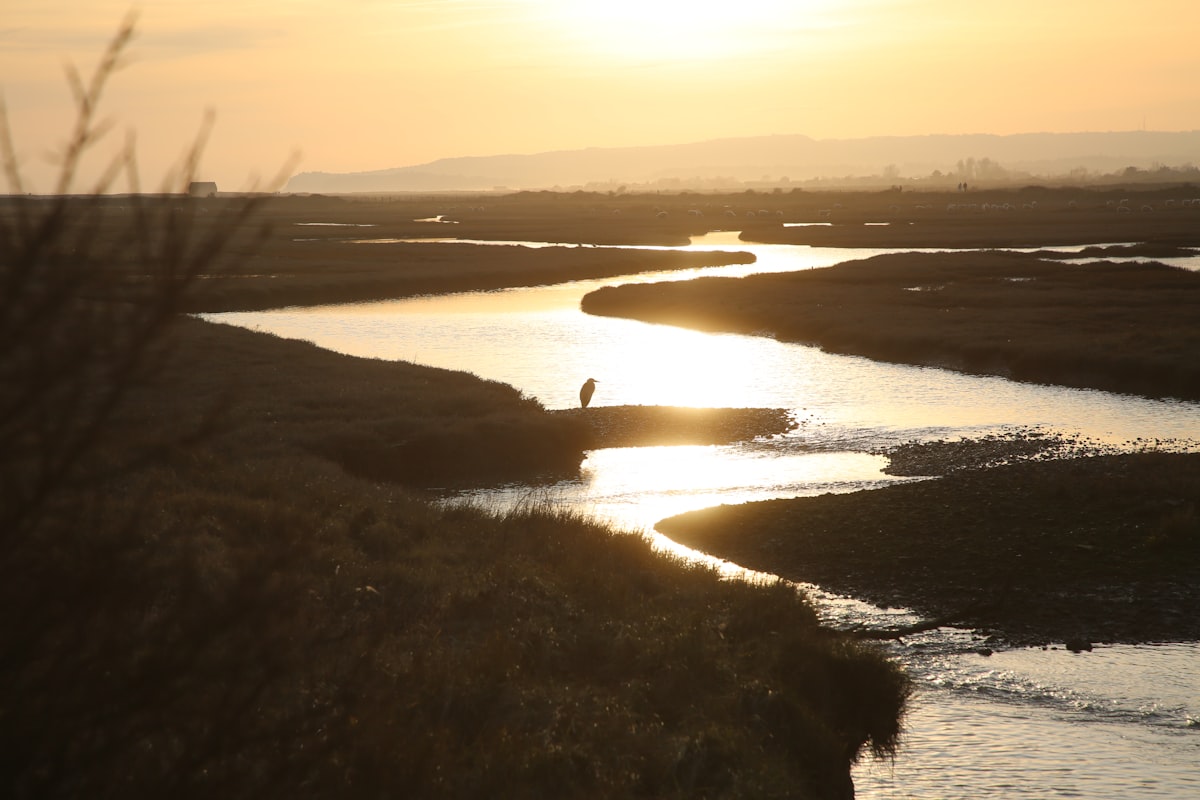
The first time it happens you will probably feel a little foolish. You drove to the boat ramp at Palm Valley with the cooler packed and the afternoon cleared, and the water is simply not there. Where you expected a channel there is a wide plain of gleaming brown mud, oyster bars catching the light, a heron picking its way across like it owns the place. Nobody warned you. Nobody had to. Somewhere behind you a man loading his truck says, without looking up, low tide was forty minutes ago. And that is the moment you understand that Northeast Florida runs on a clock you have not learned yet.
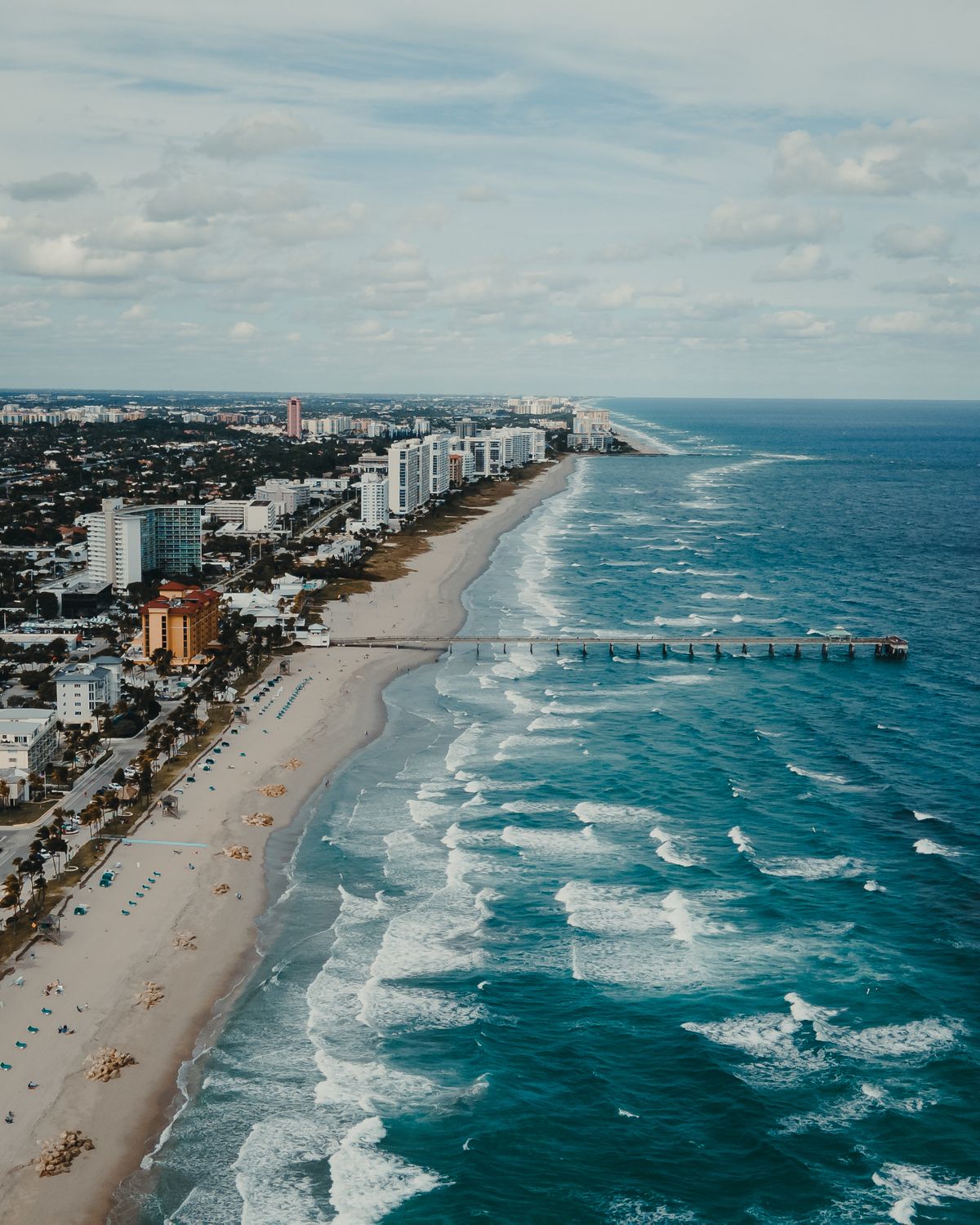
Coastal life in Northeast Florida is organized around a tide cycle that shifts roughly an hour later each day, which means boating, fishing, beach walking, and paddling all move on a rolling schedule rather than a fixed one. Residents in Ponte Vedra Beach, Jacksonville Beach, Atlantic Beach, Fernandina Beach, and the Intracoastal communities of St. Johns and Nassau County learn to plan their week around the water. It is one of the most underrated adjustments of moving to the Northeast Florida coast, and for most people it becomes the best part.
The Clock That Moves
Two high tides and two low tides pass through in roughly twenty-five hours. That extra hour is the whole story. It means the tide that was perfect at nine this morning will be perfect around ten tomorrow, and around three in the afternoon a week from now.
You cannot memorize it. You have to check it. Every coastal household here ends up with a tide chart somewhere, on a phone, on the fridge, in the head of whichever person in the house is most serious about the water.
What that does to your week is subtle but real. Instead of deciding on Sunday what you will do on Saturday, you start deciding on Saturday morning what the water will let you do. The plan bends toward the conditions. After a while that stops feeling like a constraint and starts feeling like permission.
The Things the Tide Actually Governs
Boating is the obvious one. Shallow creeks off the Intracoastal that are perfectly navigable at high water become impassable at low, and running aground on a Northeast Florida oyster bar is an experience nobody repeats voluntarily.
Fishing is even more tied to it. Fish move with moving water, and locals talk about the incoming and outgoing far more than they talk about the time of day. Ask three anglers at a Nassau County dock what they prefer and you will get a twenty-minute conversation.
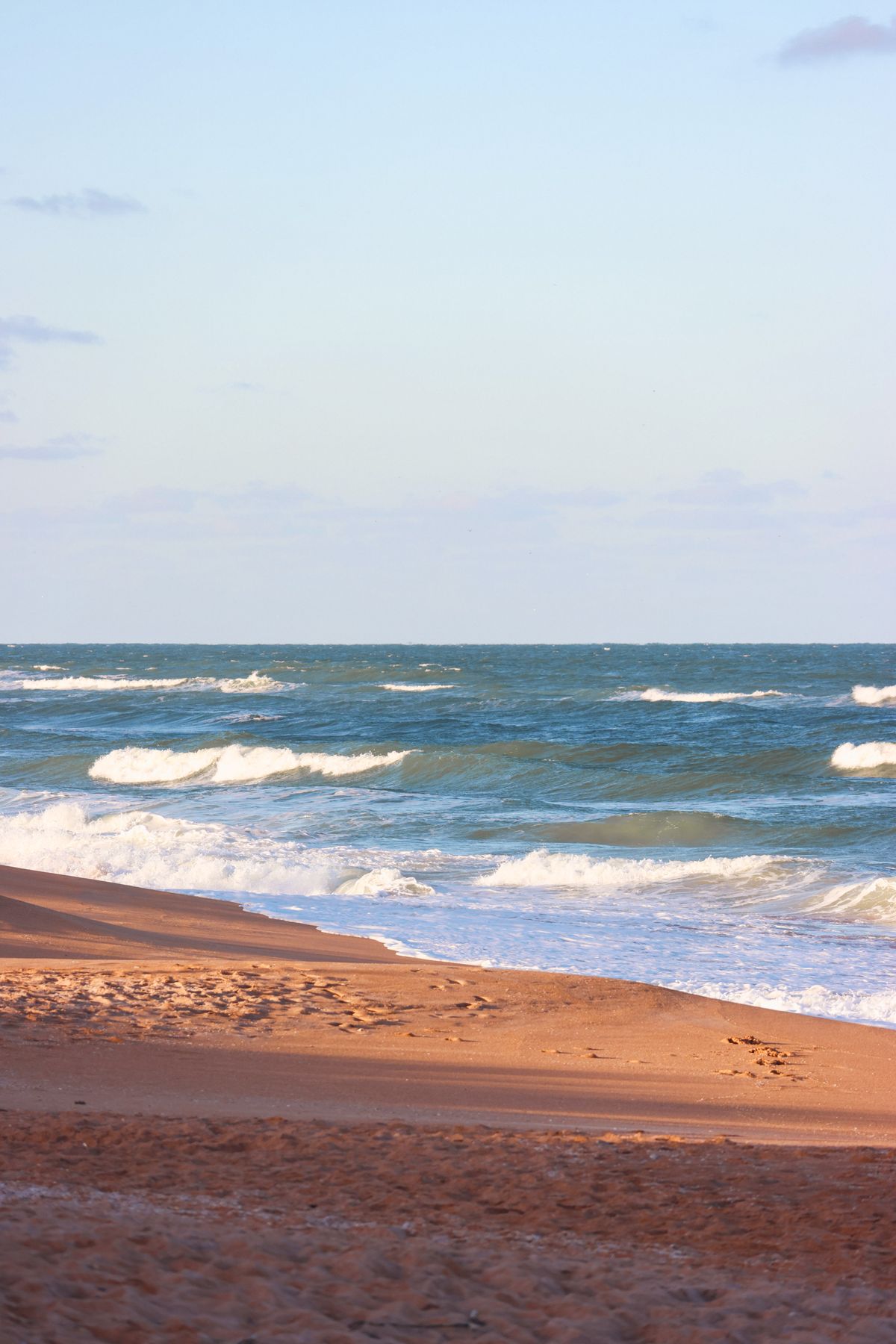
Beach walking changes too. A low tide at Jacksonville Beach or Neptune Beach opens up a wide, hard-packed expanse that is ideal for walking, running, or hunting shark teeth. High tide narrows it and pushes everyone toward the dunes.
Even paddling shifts. Kayakers on the marsh creeks behind Ponte Vedra Beach and Amelia Island learn to leave on the outgoing and return on the incoming, letting the water do half the work in both directions.
Thinking About a Home on the Water?
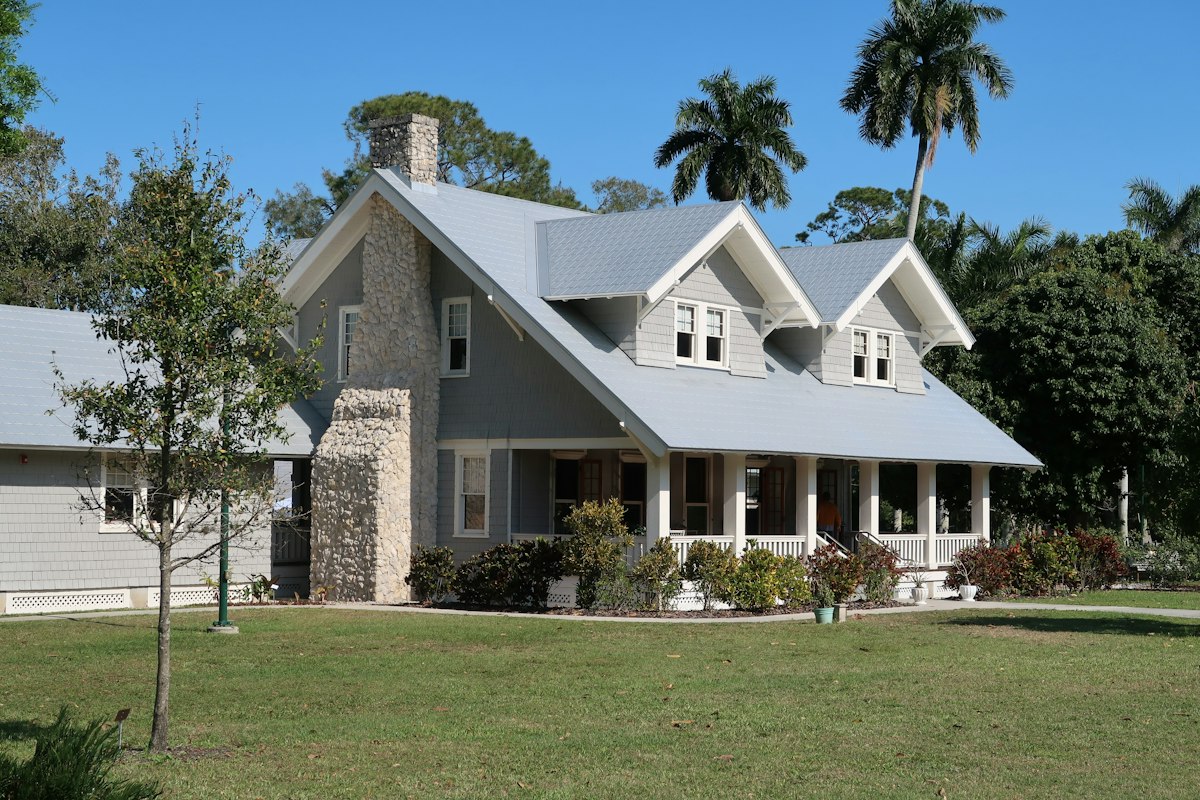
Water access varies enormously from one Northeast Florida street to the next, and the differences are worth understanding before you fall for a view.
Call or text Joey Larsen: 904-863-6679
or visit RetireMeToFlorida.com
The Marsh Is the Part Nobody Expects to Love
People move here for the ocean. A surprising number of them fall in love with the marsh instead.
At high tide the spartina grass stands in silver water and the whole thing looks like a flooded meadow. Six hours later it is a maze of channels and mud flats and exposed oyster beds, and an entirely different set of birds is working it.
You get both versions from the same window. That is the quiet luxury of a marsh-front home in St. Johns or Nassau County. The view is never the same twice, and it changes on a schedule you can predict but never quite anticipate.
How It Reorganizes an Actual Week
Say the tides line up so that high water falls in the early morning through midweek. Your Tuesday and Wednesday mornings become boat mornings. You are out on the Intracoastal before the heat, back by ten, and the rest of the day is yours.
By Friday that high water has slid into the afternoon. Now the mornings are for the long low-tide beach walk and the boat goes out after lunch instead.
Errands, appointments, and everything else settle into the gaps. That is the rhythm coastal residents describe when they say life here feels less scheduled. It is not that they do less. It is that the sequence is negotiable in a way it never was up north.
Retirees adapt to this faster than anyone, for the obvious reason that they have the flexibility to. Buyers who are still working often find themselves quietly optimizing toward it, which is one reason so many people here have a boat they use on Thursdays.
What This Means When You Are House Hunting
If any part of this appeals to you, water access deserves the same scrutiny you give a kitchen.
Not all waterfront is equal. A home on a deep creek with reliable depth at low tide is a fundamentally different property from one on a shallow tidal cut where your boat sits on mud for six hours a day. Ask about depth at mean low water, not just whether there is a dock.
Ask about the run to open water too. Some Intracoastal homes are twenty minutes from an inlet and some are well over an hour, and that difference shapes how often you actually go.
And know that you do not need waterfront to live this way. Plenty of people in Nocatee, Palencia, and the beach towns keep a boat at a nearby ramp or marina and get most of the lifestyle for a fraction of the price. That is often the smarter first move for someone new to the area.
Give Yourself a Season to Learn It
The tide is not the only rhythm you will pick up. There is the seasonal one too, the way the water clears in fall, the way the marsh goes gold in winter and greens back in spring, the way certain fish show up and disappear.
None of it arrives in a welcome packet. You learn it by being out in it and by talking to people who have been out in it longer.
Most transplants say it takes about a year before the coast stops feeling like scenery and starts feeling like a place they know. That year is one of the better ones you will have.
Frequently Asked Questions
How much do tides vary in Northeast Florida?
Northeast Florida has a meaningful tidal range compared to much of the Gulf Coast, which is why the marsh landscape changes so dramatically through the cycle. The exact range varies by location and by the phase of the moon, with the largest swings around new and full moons.
Do I need a boat to enjoy coastal life here?
Not at all. Kayaks, paddleboards, surf fishing, and beach walking all follow the same tidal rhythm and require far less commitment. Many residents in Ponte Vedra Beach, Atlantic Beach, and Fernandina Beach never own a boat and still plan their weeks around the water.
What should I ask about a waterfront home in St. Johns County?
Ask about water depth at low tide, the condition and permitting of any dock, the distance to open water, and how the property performed in past storm events. A view is easy to evaluate. Usable access is not.
Is the Intracoastal a good alternative to oceanfront?
For many buyers it is the better fit. Intracoastal and marsh-front homes in St. Johns and Nassau County typically offer boat access, sunset exposure, and a calmer setting, often at a different price point than oceanfront property in the same area.
Search Northeast Florida Homes
Browse active listings across Northeast Florida, from master-planned communities in Nocatee, RiverTown, Tributary, and St. Johns County to coastal homes in Ponte Vedra Beach, Jacksonville Beach, Neptune Beach, and Atlantic Beach.
What To Do Right Now
If living closer to the water is the version of Florida you keep coming back to, it is worth walking a few docks and a few neighborhoods before you decide what kind of access you actually want.
Call or text Joey Larsen at 904-863-6679, or visit RetireMeToFlorida.com to get started.
Categories
- All Blogs (470)
- Buyer Questions (10)
- Buyer Resources (14)
- Communities (8)
- Cost of Living (6)
- Insurance & Risk (1)
- Jacksonville / St. Johns County (3)
- Joey Studies The Market (1)
- Local Area Happenings (1)
- Local Favorites (97)
- Market Intelligence (96)
- Market Update (3)
- Nocatee (2)
- Northeast Florida Market (1)
- Our Communities (4)
- Questions Buyer Are Asking (25)
- Questions Sellers Are Asking (8)
- Real Estate Done Right (11)
- Relocation (1)
- Relocation Guides (87)
- Retirement Planning (4)
- Seller Resources (3)
- The Florida Life (103)
Recent Posts