Where to Go Horseback Riding on the Beach in Northeast Florida
Have You Ever Heard Hoofbeats on Wet Sand?
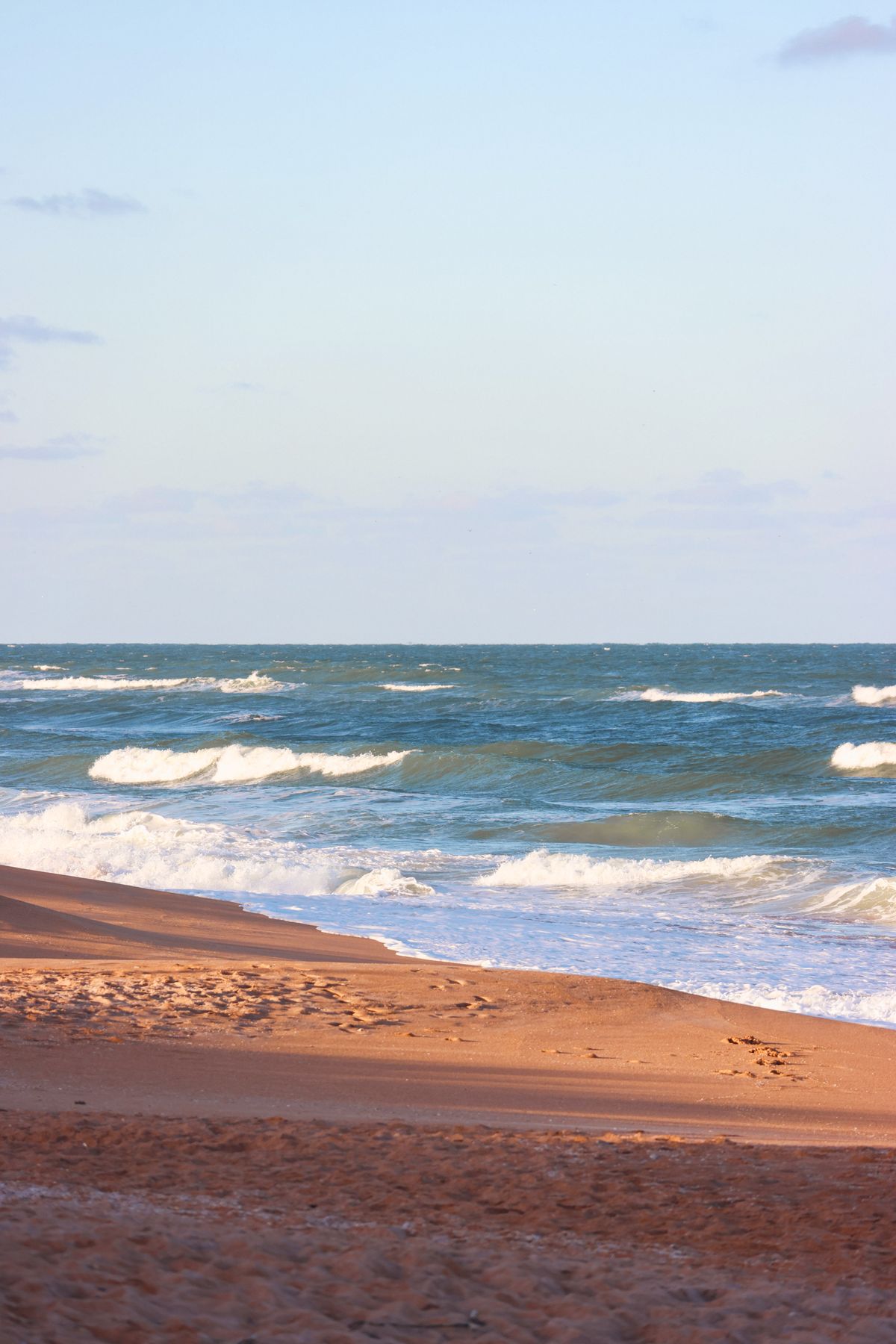
It is a sound you do not forget. Not the clean clop of a horse on pavement, but something softer and heavier, a wet thud with a suck of sand after it. The horse in front of you swings its tail. To your left the Atlantic is doing what it always does, and to your right there is nothing but dune and sea oats and sky. Your guide points out a pod of dolphins working the trough about fifty yards out, and everybody stops talking for a minute.
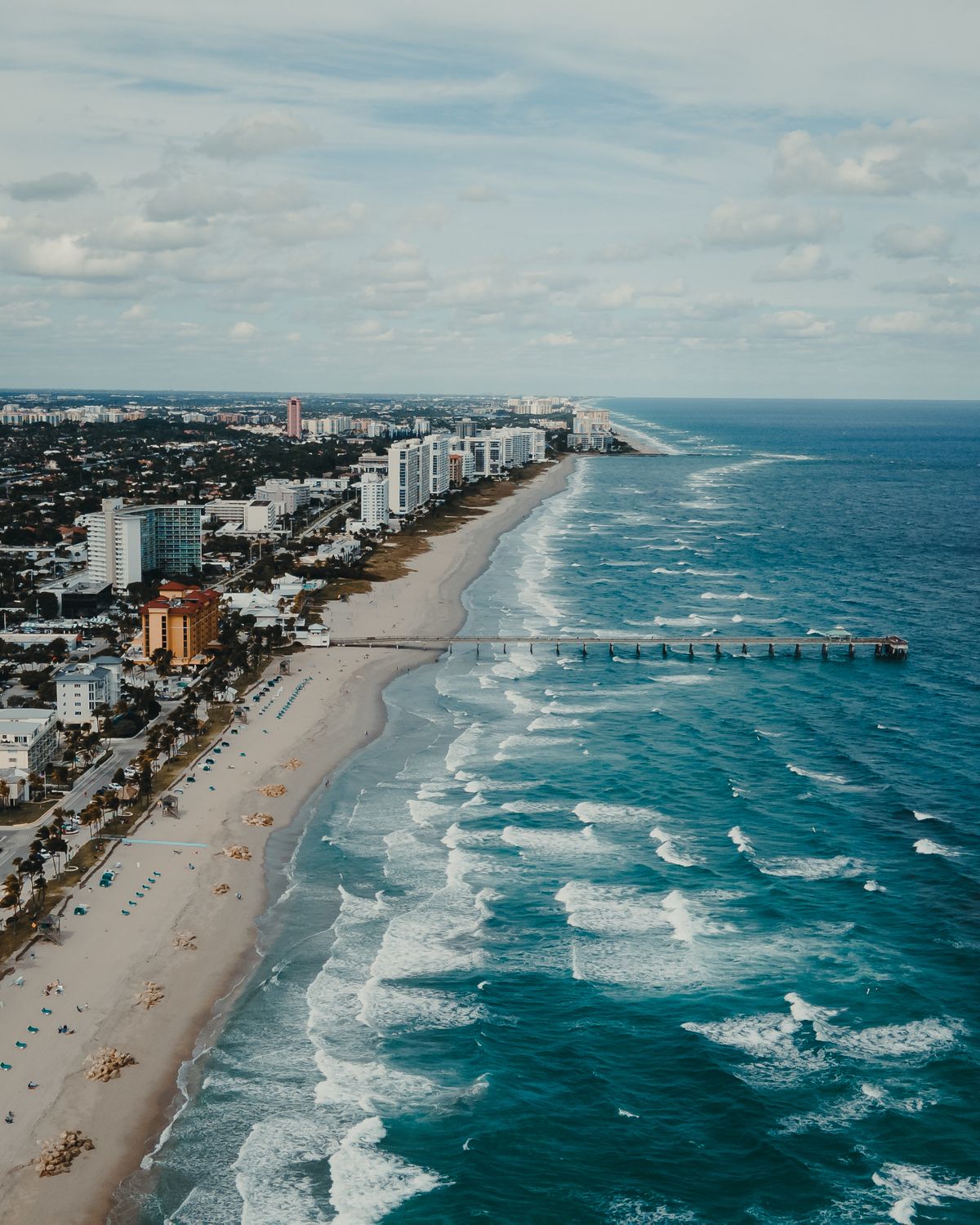
Florida has more than a thousand miles of coastline and almost none of it allows this. Northeast Florida has one of the few places that does.
Amelia Island State Park in Nassau County is the primary place to go horseback riding on the beach in Northeast Florida, offering guided rides on the sand through a licensed park concession. Beyond the beach itself, the region has substantial equestrian trail riding in state forests and preserves across Nassau, Duval, Clay, and St. Johns counties, making Northeast Florida one of the more horse-friendly parts of the state.
Amelia Island State Park: The Main Event
The southern tip of Amelia Island is undeveloped, and that is exactly why this works.
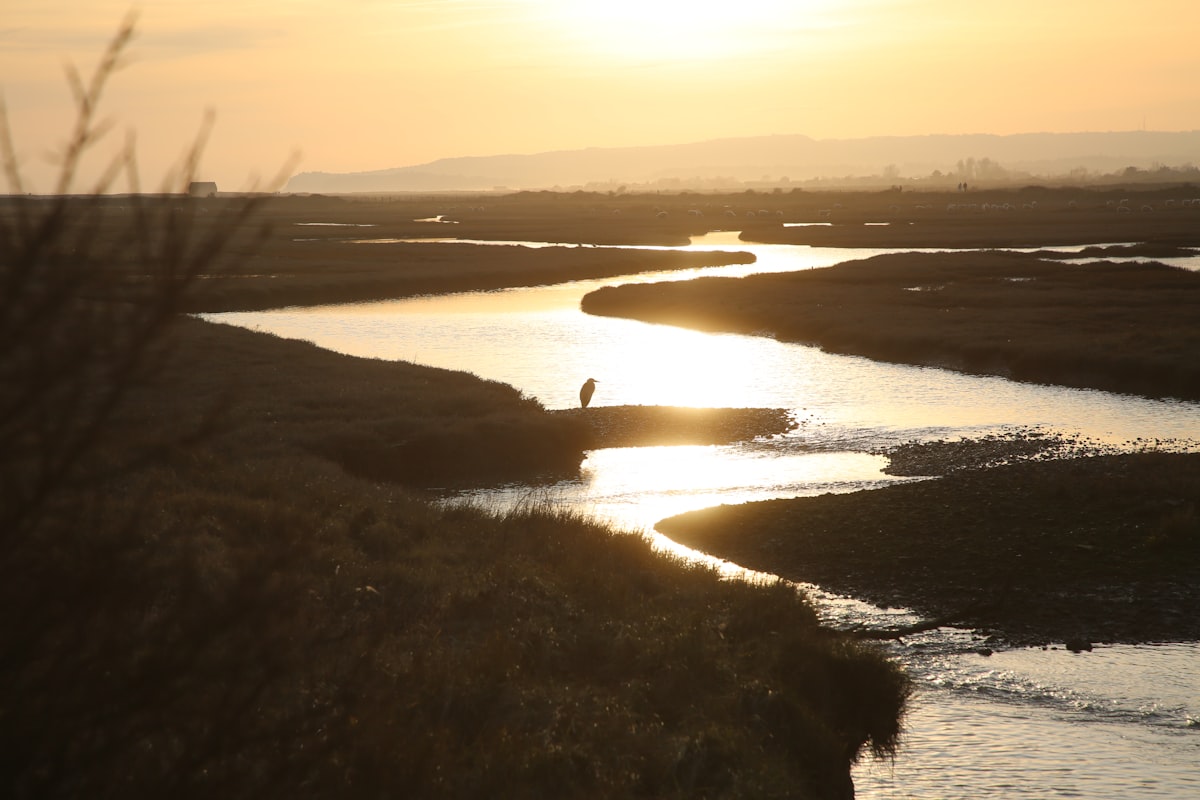
Amelia Island State Park sits where the island meets Nassau Sound, just before the bridge to Big Talbot Island. There are no condos here, no boardwalk of rental shops, no beachfront bars. Just dunes, tidal flats, and a wide beach that stretches out toward the inlet.
Guided horseback rides on the sand operate through a concession licensed by the park, and it has become one of the signature experiences in Nassau County. Rides are led by guides, the pace is generally walking with some limited trotting depending on the group and the horse, and no prior riding experience is typically required.
A few practical notes. Reservations are essentially mandatory, particularly in spring and fall when the weather is best and the demand is highest. Rides are scheduled around tide charts, because a low tide gives you hard-packed sand and a high tide does not. And operators generally have weight limits and minimum age requirements, so it is worth confirming details before you plan a family outing around it.
Go in the morning if you can. The light is better, the beach is emptier, and the horses are fresher.
Why This Is So Rare in Florida
Most Florida beaches prohibit horses outright. Some allow them only in specific seasons. Others technically permit them but have no facility to trailer in, park, and access the sand safely.
What makes the Amelia Island State Park beach work is a combination of factors: the beach is wide, the sand is firm at low tide, the area is protected from heavy development, and there is a permitted operator who handles the logistics and the animals.
That combination is genuinely uncommon, which is why people drive here from Orlando and Savannah for a one-hour ride. If you live in Northeast Florida, it is in your backyard.
Looking for a Home With Room for Horses?
Northeast Florida still has acreage and equestrian-zoned property within reach of the coast. Let's talk about where to find it.
Call or text Joey Larsen: 904-863-6679
or visit RetireMeToFlorida.com
Beyond the Beach: Trail Riding Across Northeast Florida
Beach riding is the headline, but the region's real equestrian depth is inland.
Nassau County holds a significant amount of managed public land, including state forest acreage north and west of Yulee with multi-use trail systems that accommodate horses. The terrain out there is classic North Florida: pine flatwoods, palmetto understory, blackwater creeks, and long straight forest roads that make for easy miles.
In St. Johns County, the Guana Tolomato Matanzas region between Ponte Vedra Beach and St. Augustine is one of the great open spaces on this coast, with marsh, maritime hammock, and trail networks that carry equestrian use in designated areas. Riding through that landscape with the Intracoastal on one side is about as close to old Florida as you can get within twenty minutes of a Publix.
Clay County and the western reaches of Duval County add more state forest acreage with equestrian trails and, in some locations, primitive camping designed for riders with trailers.
Because access rules, permit requirements, and trail closures change with land management needs and burn schedules, always check current conditions with the managing agency before you load a trailer. That is standard practice for anyone riding public land in Florida.
What to Know Before Your First Ride Here
A short list that will make the day better.
- Book around low tide. Guided beach operators already do this, but if you are planning your own day, the tide chart is your schedule.
- Wear long pants. Shorts and saddle leather do not get along, especially in humidity.
- Closed-toe shoes with a small heel. Sandals are a hard no.
- Bug spray in summer, applied before you get near the horses rather than on them.
- Bring water and a hat. There is no shade on a beach.
- Sunscreen on the backs of your hands and your neck, which are the two places every first-timer forgets.
When to Go
October through May is the sweet spot for riding in Northeast Florida. The humidity drops, the bugs thin out, and both you and the horse are more comfortable.
Winter here is a genuine advantage. A sixty-five degree morning in January on an empty beach is close to perfect riding weather, and it is the reason a lot of equestrians from colder states start looking at this region seriously.
Summer is not impossible, but it demands early starts. By eleven in the morning in July, the heat index makes a beach ride an endurance event rather than a pleasure.
Horse Property and Where to Live
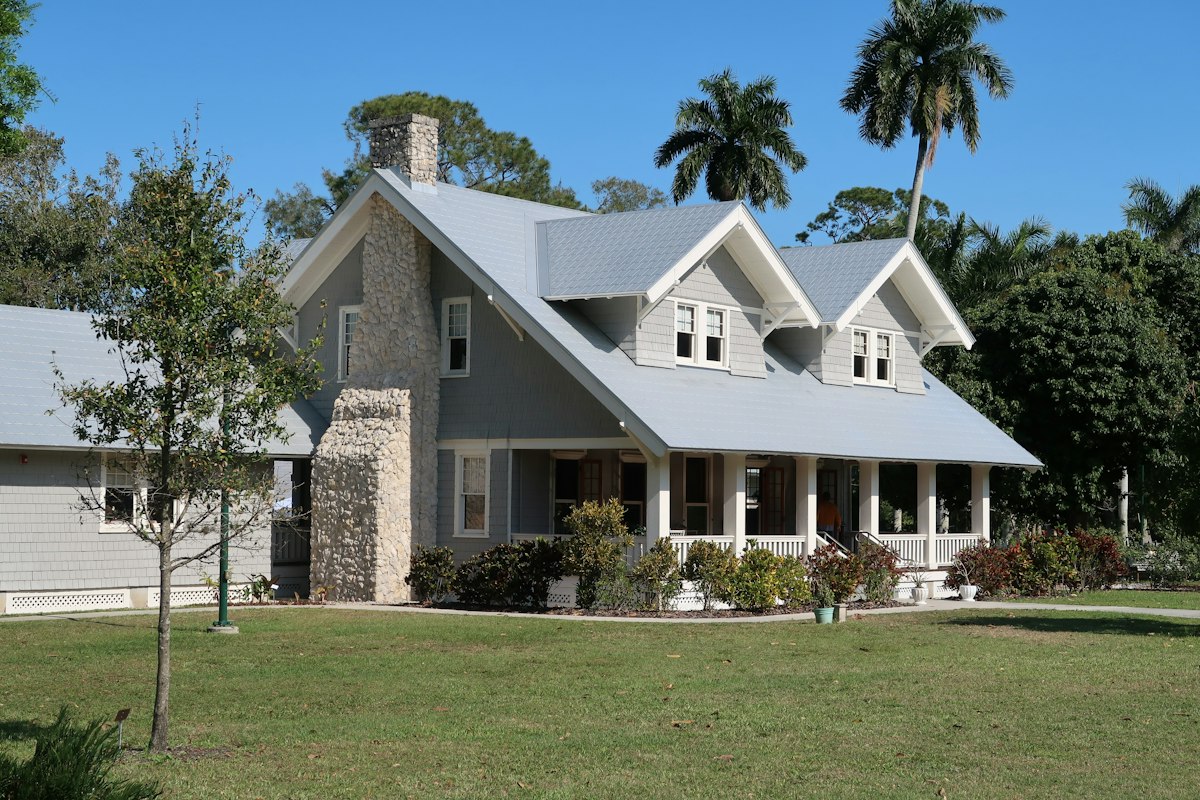
If riding is central to your life, Northeast Florida still offers something that has become difficult to find in much of the state: land you can afford within reasonable distance of the coast.
Nassau County is the strongest story here. West and north of Yulee, toward Callahan and Hilliard, you will find acreage, agricultural and rural zoning, and properties with existing barns and pasture. The trade-off is drive time, but from much of that area you are still thirty to forty minutes from Fernandina Beach and the Amelia Island beaches. Tributary, the master-planned community in Yulee, offers a middle path for people who want new construction and community amenities while staying in a county with real open space.
Western St. Johns County and the Clay County corridor offer similar opportunities, with rural parcels sitting a surprisingly short distance from the growth around County Road 210, Silverleaf, and RiverTown.
What you generally will not find is horse property in Ponte Vedra Beach, Nocatee, or the beach towns. Those are dense, deed-restricted, and priced for coastal proximity. Plenty of riders live there and board their horses inland, which is a completely workable arrangement and worth planning for if the ocean is your first priority and the barn is your second.
Frequently Asked Questions
Where can you ride horses on the beach in Northeast Florida?
Amelia Island State Park at the southern end of Amelia Island in Nassau County is the primary location, offering guided beach rides through a park-licensed concession. It is one of the few beaches in Florida where this is permitted.
Do you need riding experience for a beach horseback ride?
Generally no. Guided beach rides are designed for beginners, with horses selected for temperament and guides leading the group at a walking pace. Operators typically have age and weight requirements, so confirm those when booking.
What is the best time of year for horseback riding in Northeast Florida?
October through May offers the most comfortable conditions, with lower humidity and fewer insects. Winter mornings are especially pleasant. Summer riding is best limited to early morning because of heat and afternoon storms.
Is there horse property available in Northeast Florida?
Yes. Nassau County west and north of Yulee, along with parts of western St. Johns County and Clay County, still offer acreage suitable for horses within a reasonable drive of the coast. Zoning and land use vary significantly by parcel, so verify before purchasing.
Search Northeast Florida Homes
Browse active listings across Northeast Florida, from master-planned communities in Nocatee, RiverTown, Tributary, and St. Johns County to coastal homes in Ponte Vedra Beach, Jacksonville Beach, Neptune Beach, and Atlantic Beach.
What To Do Right Now
Book a morning ride at the south end of Amelia Island and see how the coast feels from the saddle. If it makes you want to stay, we can start looking at what is available nearby.
Call or text Joey Larsen at 904-863-6679, or visit RetireMeToFlorida.com to get started.
Categories
- All Blogs (470)
- Buyer Questions (10)
- Buyer Resources (14)
- Communities (8)
- Cost of Living (6)
- Insurance & Risk (1)
- Jacksonville / St. Johns County (3)
- Joey Studies The Market (1)
- Local Area Happenings (1)
- Local Favorites (97)
- Market Intelligence (96)
- Market Update (3)
- Nocatee (2)
- Northeast Florida Market (1)
- Our Communities (4)
- Questions Buyer Are Asking (25)
- Questions Sellers Are Asking (8)
- Real Estate Done Right (11)
- Relocation (1)
- Relocation Guides (87)
- Retirement Planning (4)
- Seller Resources (3)
- The Florida Life (103)
Recent Posts