What Is the Guana Reserve and Why Locals Love It
You Found the Place Most People Drive Right Past
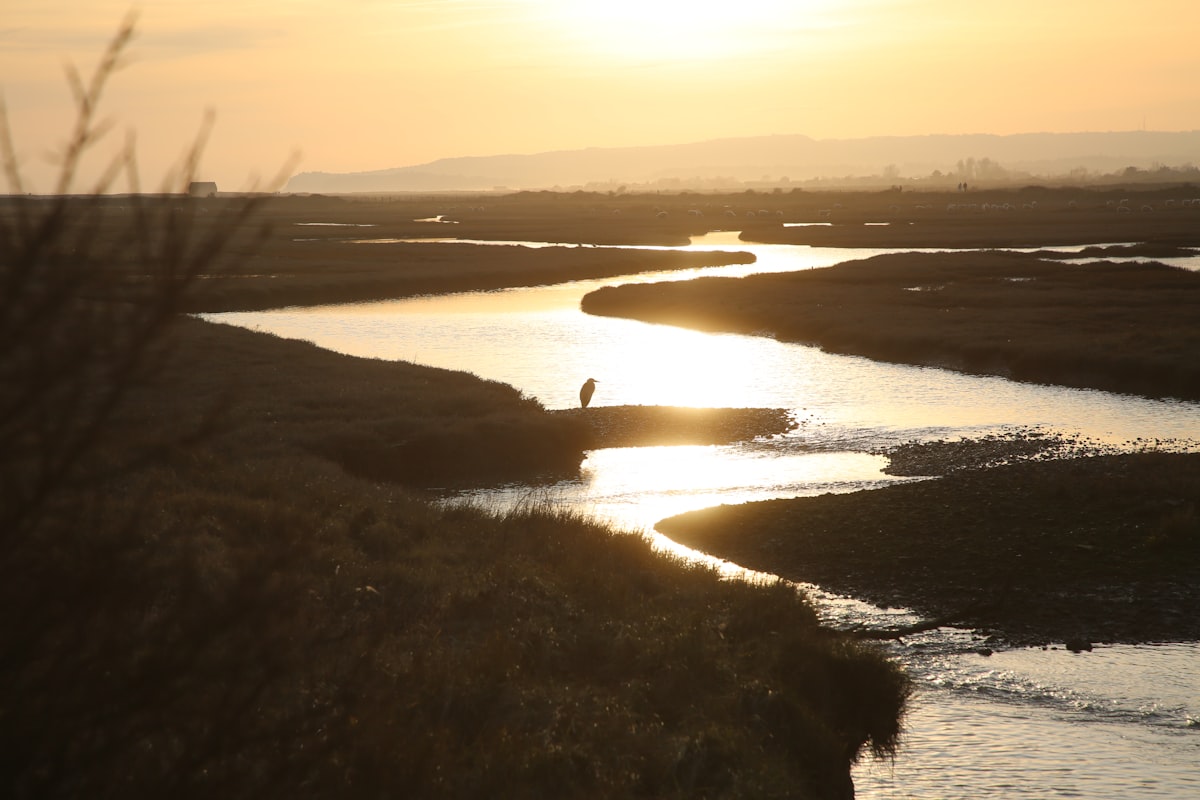
You almost miss the entrance the first time. It's a quiet pull-off on A1A, not far south of Ponte Vedra Beach -- no grand signage, no gift shop, no crowd. On a weekday morning you might be the only car in the lot. You step out, and the first thing you notice is the quiet. Then the smell of salt air and marsh grass. Then the sound of something you can't quite name -- maybe a heron, maybe the wind moving through the palmettos. You haven't even started the trail yet, and you already understand why people don't talk about this place too loudly. Some things you keep to yourself. The Guana Tolomato Matanzas National Estuarine Research Reserve is one of them.
The Guana Tolomato Matanzas National Estuarine Research Reserve -- known locally as the GTM Reserve or simply Guana -- is a 73,000-plus-acre protected natural area stretching along the coast between Ponte Vedra Beach and St. Augustine. It offers hiking, kayaking, fishing, birdwatching, and beach access, all largely untouched and free to the public. For people who live in Northeast Florida, it is one of the most beloved and least-crowded outdoor destinations in the region.
What the Guana Reserve Actually Is
The GTM Reserve is part of the National Estuarine Research Reserve System, a network of coastal sites protected for long-term research, education, and stewardship. This is not a state park in the conventional sense -- it's a federally and state-partnered reserve managed jointly by NOAA and the Florida Department of Environmental Protection. That distinction matters because it means the land is managed with conservation as the primary mission, not recreation revenue. The crowds that gather at more well-known parks simply don't come here.
The reserve encompasses coastal habitats that are among the most ecologically significant in Florida -- brackish and freshwater marshes, upland pine flatwoods, maritime hammocks, tidal creeks, and a stretch of Atlantic beach that has remained largely undeveloped. The Guana River itself is a 10-mile-long impoundment that provides critical habitat for fish, birds, and other wildlife. When you're out on the water here, it is very easy to forget that a major interstate is 20 minutes away.
What You Can Do Here
The reserve has multiple access points and a range of activities depending on what you're looking for. For hikers, there are several trail systems -- including the Guana River Trail and the Tolomato Road corridor -- that wind through different habitat types. Some are flat and easy; others take you deeper into the flatwoods where you're unlikely to encounter another person. The wildlife viewing along these trails is exceptional year-round.
For paddlers, the Guana River is one of the most peaceful kayaking and canoeing environments in Northeast Florida. You can put in near the dam and work your way north through open water and tidal marsh, watching for roseate spoonbills, anhingas, osprey, and the occasional alligator sunning along the banks. This is not whitewater -- it's the kind of paddling where you stop and float and listen. Morning launches are particularly beautiful, especially in the cooler months when mist sits low on the water.
Guana Beach -- the Part That Surprises Most People
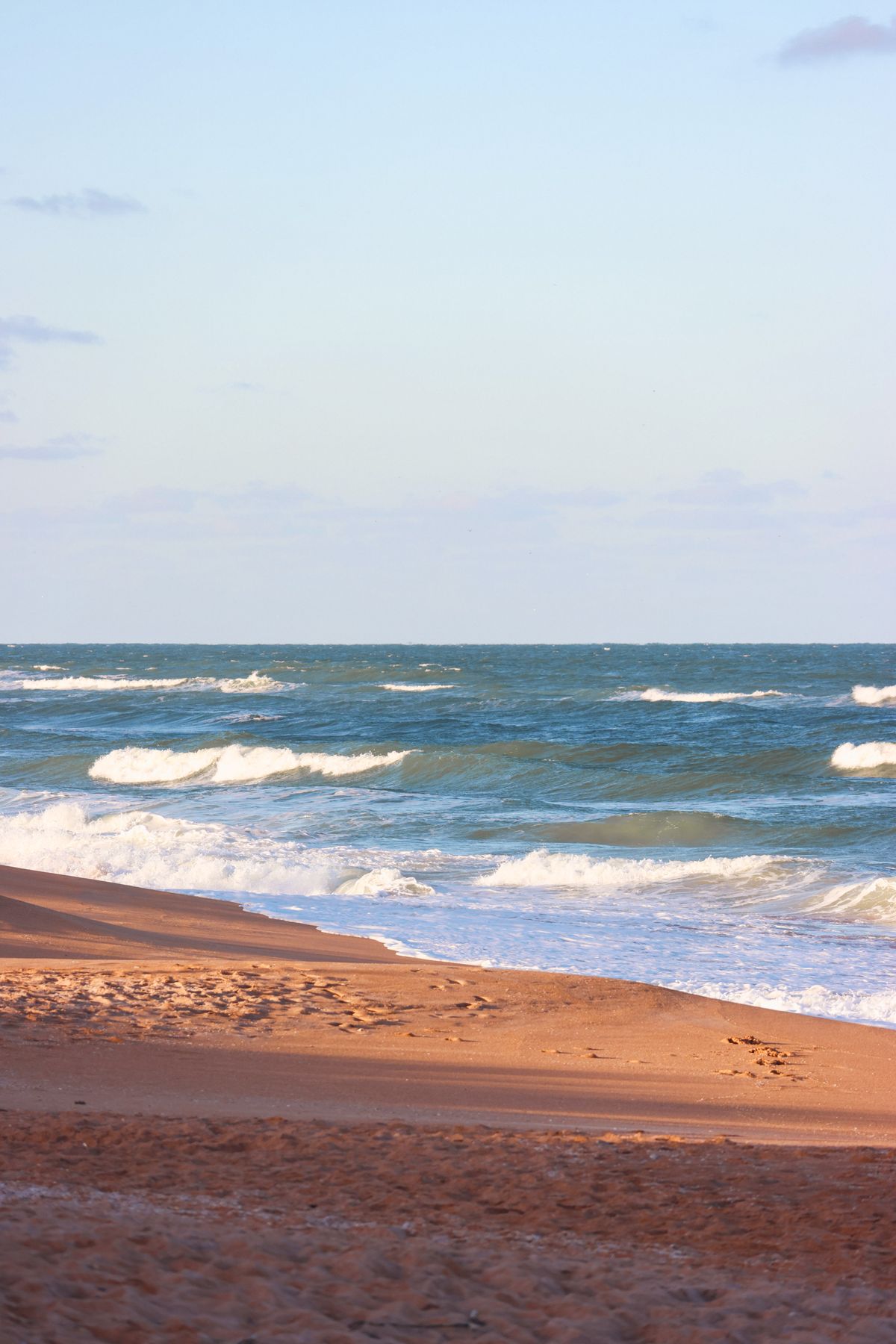
One of the lesser-known aspects of the reserve is its beach access. Guana Beach sits along the barrier island portion of the reserve and offers a stretch of Atlantic coastline that is remarkably unspoiled by commercial development. There are no concession stands, no volleyball nets, no crowded parking structure. There is a beach, the ocean, and not very many people. For residents of Ponte Vedra Beach and the surrounding communities, Guana Beach functions as a kind of private stretch -- a place you go when you want to walk without weaving through umbrellas and folding chairs.
Access is limited and intentional. There is a fee to enter the beach portion of the reserve, and parking is finite. That friction is a feature, not a bug. It keeps the character of the place intact and ensures that the people who make the effort to get there tend to treat it with care.
Want to Know What Living Near the Guana Reserve Is Actually Like?
If you're considering a move to the Ponte Vedra Beach or St. Johns County area, Joey Larsen can give you the real picture -- communities, price ranges, and what it feels like to live here day to day, not just visit.
Call or text Joey Larsen: 904-863-6679
or visit RetireMeToFlorida.com
Fishing in the Reserve
The GTM Reserve is productive fishing territory throughout the year. The Guana River impoundment holds largemouth bass, redfish, flounder, and sheepshead, and the tidal creeks that connect to the Tolomato River system are known for their inshore fishing opportunities. Anglers who know the reserve fish it quietly and reliably -- it's the kind of spot that gets passed from one neighbor to the next rather than showing up on fishing forums.
Saltwater fishing requires a Florida fishing license as usual. There are specific regulations for the reserve, so checking the Florida Fish and Wildlife Conservation Commission guidelines before a trip is worth doing. The reserve's research staff can sometimes provide information about current conditions and access points.
Birdwatching -- One of the Best Sites in Florida
For serious birdwatchers, the GTM Reserve is not a hidden gem -- it's already on the radar as one of the most productive birding sites in the state. The diversity of habitats means you can encounter wading birds, shorebirds, raptors, migratory songbirds, and a long list of resident species all in a single visit. During spring and fall migration, the reserve can produce remarkable numbers of warblers and other neotropical migrants moving through the coastal corridor.
The Guana River impoundment is particularly good for wading birds and waterfowl in the cooler months. Roseate spoonbills are a regular presence. Bald eagles are commonly spotted. The maritime hammock sections of the trail system are worth walking slowly during warbler season. For people who are new to birdwatching and looking for a place that will immediately reward the effort, this is one of the most generous spots in Northeast Florida.
Why Locals Treat It Like Their Backyard
The reserve has an interesting place in the local culture. It's not the kind of attraction you'd put on a tourism brochure -- it's the kind of place that people who live here mention to each other in the way you mention a favorite restaurant that doesn't need more business. The people you encounter on the trails and on the water are almost entirely local. Dogs on leashes at the designated areas. Kayakers who nod as they pass. Regulars who know the parking situation and the best time of day and which trail is muddy after rain.
For people considering a move to the Ponte Vedra Beach or St. Johns County area, the existence of the GTM Reserve is one of those quality-of-life details that doesn't show up in a square footage comparison but matters enormously over time. Having 73,000 acres of protected coastal wilderness 10 minutes from your neighborhood is not something you can manufacture. It either exists or it doesn't. Here, it does.
Frequently Asked Questions
Is there an entrance fee for the Guana Reserve?
The main reserve areas -- trails, boat ramps, and interior access -- are generally free to use. The beach access area does have an entry fee. Hours and access conditions can vary seasonally, so checking the GTM Reserve's official site or contacting the reserve office before a first visit is a good idea, particularly for the beach access portion.
Where are the best entry points for the Guana Reserve?
The main reserve entrance on A1A south of Ponte Vedra Beach is the primary access point for the beach and some trail access. There are also boat ramp and kayak launch areas along the reserve. The visitor center and research station near the Guana River dam area is a good starting point for first-time visitors who want context about the reserve before heading out on the trails or water.
Can you kayak in the Guana Reserve without a guided tour?
Yes. The Guana River is accessible to independent paddlers with their own kayaks or canoes. The water is generally calm and well-suited for paddlers of most skill levels. There are no guided tours required, though guided paddling tours are sometimes offered through local outfitters and the reserve itself. First-timers are encouraged to start near the dam and paddle north, where conditions are most predictable.
What To Do Right Now
If you're exploring a move to the Ponte Vedra Beach or St. Johns County area and want to understand what daily life here actually feels like -- beyond the floor plans and the HOA documents -- Joey Larsen is happy to talk through it.
Call or text Joey Larsen at 904-863-6679, or visit RetireMeToFlorida.com to get started.
Categories
- All Blogs (414)
- Buyer Questions (10)
- Buyer Resources (14)
- Communities (8)
- Cost of Living (6)
- Insurance & Risk (1)
- Jacksonville / St. Johns County (3)
- Joey Studies The Market (1)
- Local Area Happenings (1)
- Local Favorites (83)
- Market Intelligence (82)
- Market Update (3)
- Nocatee (2)
- Northeast Florida Market (1)
- Our Communities (4)
- Questions Buyer Are Asking (25)
- Questions Sellers Are Asking (8)
- Real Estate Done Right (11)
- Relocation (1)
- Relocation Guides (73)
- Retirement Planning (4)
- Seller Resources (3)
- The Florida Life (89)
Recent Posts