What Flood Insurance in Florida Means for Home Buyers

So You Found the House -- Now Let's Talk About Flood Insurance
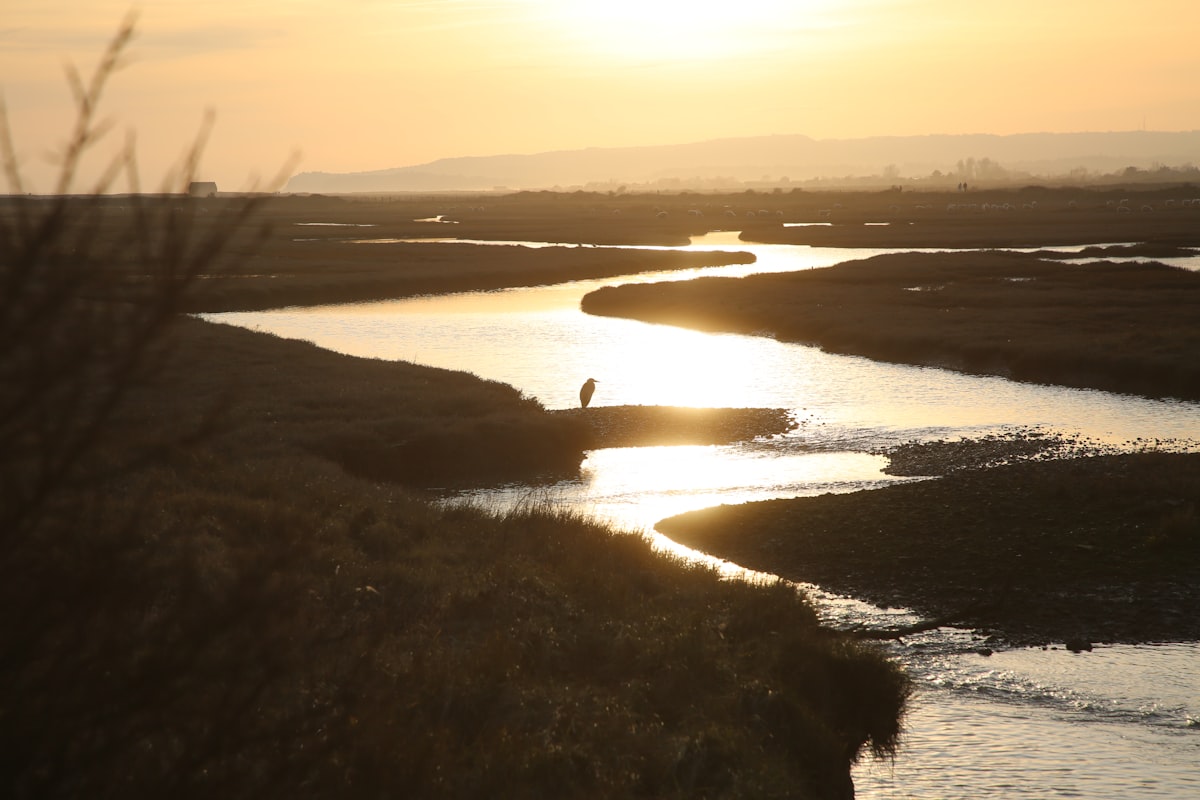
You are standing in a backyard somewhere in Northeast Florida. Maybe it backs up to a tidal creek in Ponte Vedra Beach, or looks out over the Intracoastal near Palm Valley, or sits a few blocks from the ocean in Atlantic Beach. The air smells like salt and cut grass. The light is the kind of late-afternoon gold that makes everything look like a painting. You are already mentally placing your furniture. And then your agent mentions two words that stop you mid-thought: flood zone.
Here is what you need to know -- not to scare you off the home, but to make sure you walk into closing with your eyes fully open.
Flood insurance in Northeast Florida is a real cost that varies widely depending on a property's flood zone designation, elevation, and proximity to water. In high-risk AE zones, flood insurance is typically required by your lender and can add hundreds to thousands of dollars annually to your housing costs. In lower-risk X zones, it is optional -- but still worth understanding. Checking a property's flood zone on the FEMA flood map should be a standard step in your due diligence, not an afterthought.
What Flood Zones Actually Mean
The Federal Emergency Management Agency (FEMA) maps flood risk across the country using a system of flood zone designations. In Northeast Florida, the two you will encounter most often are AE zones and X zones.
An AE zone is FEMA's designation for areas with a one percent or greater chance of flooding in any given year -- sometimes called a "100-year floodplain." This is the high-risk category. If your home is in an AE zone and you have a federally backed mortgage, your lender will require flood insurance. The AE zone designation does not mean the home floods every year. It means the statistical risk is high enough that financial protection is mandatory.
An X zone is a lower-risk designation. Homes in X zones are outside the mapped 100-year floodplain. Flood insurance is not required in an X zone, but "lower risk" is not the same as "no risk." Flooding can and does happen in X zones, particularly during major storm events or periods of unusual rainfall.
Between these two, you will also encounter Zone AH (shallow flooding areas), Zone VE (coastal high-hazard areas subject to wave action), and Shaded X zones (moderate risk). Each designation has different insurance implications.
How to Look Up a Property's Flood Zone
FEMA maintains a publicly accessible flood map tool called the Flood Map Service Center at msc.fema.gov. You can search by address and view the National Flood Insurance Program (NFIP) map panel covering that property.
This is a search you should run on every property you seriously consider in Northeast Florida -- not just waterfront or coastal homes. Low-lying areas near creeks, drainage features, or undeveloped land can carry flood risk even when they do not look like "flood zone" properties at street level.
Keep in mind that FEMA maps are periodically updated, and a property's flood zone designation can change. Your agent and your title company can help you confirm the current designation and flag any pending map amendments that could affect the property.
When Flood Insurance Is Required vs. Optional
Flood insurance is required when all three of these conditions are true: the property is in a Special Flood Hazard Area (SFHA -- this includes AE, AH, and VE zones), the mortgage is backed by a federally regulated lender, and the loan is a federally backed loan (including conventional loans from banks regulated by federal agencies, FHA, VA, and USDA loans).
In plain terms: if you are financing a home in an AE or VE zone with any standard mortgage product, you will need flood insurance. Full stop.
If the property is in an X zone, flood insurance is optional. Many buyers in X zones choose to purchase it anyway, particularly in Northeast Florida where coastal and river systems can behave unpredictably during named storms. The cost of flood insurance in an X zone is typically much lower than in AE zones, making it a relatively affordable risk management tool.
Questions About a Specific Property's Flood Risk?
Joey Larsen can walk you through what flood zone and insurance costs look like for any home you're considering across Northeast Florida -- before you make an offer.
Call or text Joey Larsen: 904-863-6679
or visit RetireMeToFlorida.com
NFIP vs. Private Flood Insurance -- What's the Difference?
You have two main options for flood insurance: the National Flood Insurance Program (NFIP), which is managed through FEMA and sold through licensed insurance agents, and private flood insurance, which is offered by independent insurers outside the federal program.
The NFIP has historically been the default option for most homeowners in flood zones. It offers standardized coverage with federally set rates. Under FEMA's current Risk Rating 2.0 methodology, NFIP rates are now more closely tied to a property's individual flood risk rather than just its zone designation -- which means premiums vary more widely than they once did.
Private flood insurance has expanded significantly in Florida in recent years. Private carriers can sometimes offer more competitive rates, higher coverage limits, or broader policy terms than the NFIP. Some private policies also have faster claims processes. The tradeoff is that private insurers can decline to renew coverage or exit the market in ways that the NFIP -- as a federal program -- cannot.
Shopping both options through a licensed insurance agent who knows the Northeast Florida market is always worth doing. The difference in annual premium can be meaningful, and the right choice depends on the specific property, its flood history, and your risk tolerance.
How Flood Risk Varies Across Northeast Florida
Not all of Northeast Florida carries the same flood risk, and understanding the geography helps you make smarter decisions at the neighborhood level.
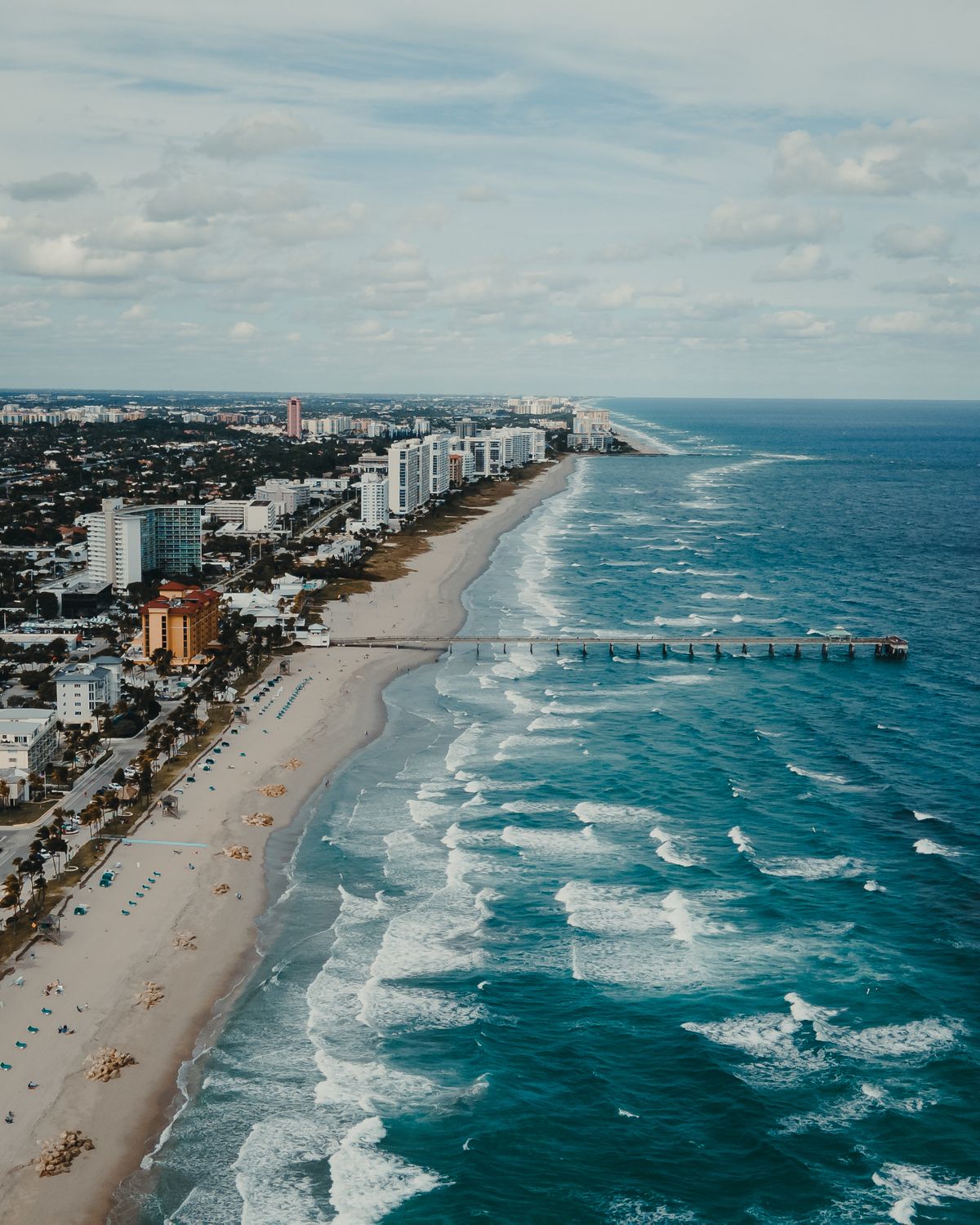
Oceanfront and ocean-adjacent properties in Jacksonville Beach, Neptune Beach, and Atlantic Beach face coastal flooding risk -- storm surge during named storms, wave action in extreme events, and erosion over time. These areas often carry VE or AE designations very close to the water, with X zones beginning a few blocks inland.
Intracoastal and tidal creek communities -- including parts of Ponte Vedra Beach, Palm Valley, and the Intracoastal corridor -- face a different kind of flood risk: water pushing in from behind rather than from the ocean. During major storm events, the Intracoastal Waterway can back up and send water into adjacent neighborhoods. Elevation and lot position relative to the waterway matter enormously here.
Inland master-planned communities like Nocatee, RiverTown, Tributary, and much of St. Johns County are generally at lower flood risk. Many homes in these communities sit in X zones or in AE zones with enough elevation to qualify for reduced premiums. This is one reason that inland communities in St. Johns County can offer a lower all-in ownership cost than comparable coastal properties -- even when the purchase price is similar.
How Elevation Certificates Affect Your Premium
An elevation certificate is a document prepared by a licensed surveyor that records the elevation of a home's lowest floor relative to the Base Flood Elevation (BFE) established by FEMA for that flood zone. The BFE is the elevation at which the 100-year flood is expected to reach.
If your home sits above the BFE -- even by one or two feet -- your flood insurance premium can drop substantially. If it sits below, you can expect higher premiums. This is why two similar homes in the same neighborhood can have dramatically different flood insurance costs.
If an elevation certificate exists for a property you are considering, ask for it. If one does not exist, it may be worth ordering one from a licensed surveyor -- particularly for homes in AE zones. The cost of an elevation certificate is typically a few hundred dollars. The savings on annual premiums can pay for that investment in the first year.
What to Ask During Due Diligence
When you are evaluating a property in Northeast Florida, here are the questions that matter most from a flood standpoint:
- What is the property's current FEMA flood zone designation?
- Is there an existing elevation certificate, and if so, what does it show?
- Has the property ever flooded? (Sellers are required to disclose known flooding history in Florida.)
- Is there an existing flood insurance policy that can be assumed by the buyer? (NFIP policies are assumable, which can lock in a rate.)
- What would a new flood insurance policy cost for this specific property -- through both NFIP and private carriers?
- Are there any pending FEMA map amendments (Letters of Map Amendment or Revision) that could change the property's flood zone?
Getting answers to these questions before you are under contract -- or at minimum during your inspection period -- is essential. Flood insurance can add hundreds or thousands of dollars to your annual housing cost, and that number belongs in your budget before you commit.
How Flood Insurance Factors Into Your Overall Housing Cost
When you are evaluating the true cost of owning a home in Northeast Florida, flood insurance needs to be on the table alongside the mortgage payment, property taxes, homeownis nsurance, and any HOA or CDD fees.
A home that looks affordable at the purchase price can carry a significantly higher monthly cost once flood insurance is factored in. Conversely, understanding that a home in an X zone with a favorable elevation certificate has minimal flood insurance cost can help you see why that property represents good value relative to others in the market.
The all-in monthly cost -- not just the list price -- is what you will actually be paying every month. The buyers who avoid unpleasant surprises are the ones who do this math before they fall in love with a property, not after.
Frequently Asked Questions
Does every home in Northeast Florida require flood insurance?
No. Flood insurance is only required by lenders for homes in Special Flood Hazard Areas (SFHA) -- primarily AE and VE zones -- when the mortgage is a federally backed loan. Homes in X zones are not required to carry flood insurance, though many homeowners choose to purchase it voluntarily. The only way to know definitively whether a specific property requires flood insurance is to check its current FEMA flood zone designation.
What does flood insurance typically cost in Northeast Florida?
Flood insurance costs vary widely based on the property's flood zone, elevation relative to the Base Flood Elevation, flood history, and the insurer. NFIP premiums for high-risk AE zone properties can range from several hundred to several thousand dollars annually. X zone policies through private carriers are often much more affordable. The only way to get an accurate number is to run a specific property through an insurance agent who writes flood coverage in Florida.
Can I assume the seller's flood insurance policy?
NFIP policies can be assumed by the buyer at the time of purchase, which means you inherit the seller's existing policy and its current premium rate rather than starting a new policy at current pricing. This can be advantageous if the existing policy was issued before recent rate changes. Ask your agent and the seller's agent whether an assumable NFIP policy is in place on any property you are seriously considering.
Is flood insurance the same as homeowner's insurance?
No. Standard homeowner's insurance policies in Florida -- and almost everywhere in the United States -- do not cover flood damage. Flood damage and water damage from rising water are explicitly excluded from standard homeowner's policies. Flood insurance is a separate policy, purchased separately, from either the NFIP or a private carrier. You need both policies to be fully covered.
Are inland communities like Nocatee or RiverTown in flood zones?
Many homes in inland St. Johns County communities sit in X zones or in AE zones with favorable elevation, which means flood insurance may not be required or may be very affordable. Flood risk varies even within these communities depending on lot position relative to ponds, drainage features, and nearby waterways. Always check the specific property's flood zone rather than assuming the entire community carries the same designation.
Search Northeast Florida Homes
Browse active listings across Northeast Florida -- from master-planned communities in Nocatee, RiverTown, Tributary, and St. Johns County to coastal homes in Ponte Vedra Beach, Jacksonville Beach, Neptune Beach, and Atlantic Beach.
What To Do Right Now
If you are evaluating homes in Northeast Florida and want a clear-eyed picture of what flood insurance means for a specific property or neighborhood, this is exactly the kind of conversation that can save you from an expensive surprise. Joey knows the market, knows the geography, and can help you get the right information before you make a decision.
Call or text Joey Larsen at 904-863-6679, or visit RetireMeToFlorida.com to get started.
Categories
- All Blogs (442)
- Buyer Questions (10)
- Buyer Resources (14)
- Communities (8)
- Cost of Living (6)
- Insurance & Risk (1)
- Jacksonville / St. Johns County (3)
- Joey Studies The Market (1)
- Local Area Happenings (1)
- Local Favorites (90)
- Market Intelligence (89)
- Market Update (3)
- Nocatee (2)
- Northeast Florida Market (1)
- Our Communities (4)
- Questions Buyer Are Asking (25)
- Questions Sellers Are Asking (8)
- Real Estate Done Right (11)
- Relocation (1)
- Relocation Guides (80)
- Retirement Planning (4)
- Seller Resources (3)
- The Florida Life (96)
Recent Posts