What Does Life in a Del Webb Community Actually Look Like on a Tuesday Morning?

What Does Life in a Del Webb Community Actually Look Like on a Tuesday Morning?
It is 8 AM and the pickleball courts are already occupied. Three doubles matches running simultaneously, a fourth group warming up along the fence. There is good-natured trash talk happening. Someone has brought a thermos of coffee and is sharing it with the couple next to them. Nobody scheduled this gathering. Nobody sent an invitation. It formed the way things form in a community where people actually know each other -- naturally, out of proximity and shared interest and the momentum of daily life.
This is a Tuesday in Del Webb Nocatee. By 10 AM, the pool will have its regulars. By noon, there will be a card game in progress somewhere in the clubhouse. By evening, there may be a social event -- a happy hour, a club meeting, a concert -- or there may not be. The point is that the infrastructure for all of it is there, ready, whenever you want it.
Del Webb Nocatee and Del Webb Ponte Vedra are 55-and-better communities within the larger Nocatee master-planned development in St. Johns County, Northeast Florida. They offer resort-caliber amenity centers, organized social programming, and a peer community of active adults from across the country. Daily life is as social or as independent as you choose to make it -- the structure is there, but nothing is required. Most residents say the built-in community was the best surprise of the move.
The Physical Setting: What You Are Moving Into
Del Webb communities in Northeast Florida sit within the broader Nocatee development -- which means they benefit from all of Nocatee's infrastructure while also having their own dedicated amenity centers and neighborhood identity. The homes are single-story or have master suites on the ground floor, designed with aging in place in mind but without feeling clinical about it. They are real homes -- open floor plans, high ceilings, covered lanais, two- and three-car garages -- built by Pulte, one of the country's largest national builders.
The architectural character is what you would call "Florida contemporary" -- warm stucco exteriors, tile roofs, paver driveways, mature landscaping that fills in beautifully within a few years of build-out. The lots vary: some back to conservation areas or ponds, some are situated on interior streets with more neighborhood feel. The HOA handles exterior lawn maintenance in most configurations, which is one of the things people mention when asked what they love about it. The yard looks good. You did not have to do anything.
Del Webb Nocatee and Del Webb Ponte Vedra each have their own amenity centers -- not shared with the broader Nocatee community, but separate, dedicated facilities for the 55-and-better population. This distinction matters. The pool is yours. The fitness center is yours. The pickleball courts, the bocce courts, the ballroom, the bar -- they belong to your community, and they are appropriately scaled for it.
The Amenity Centers: More Than You Will Actually Use (At First)
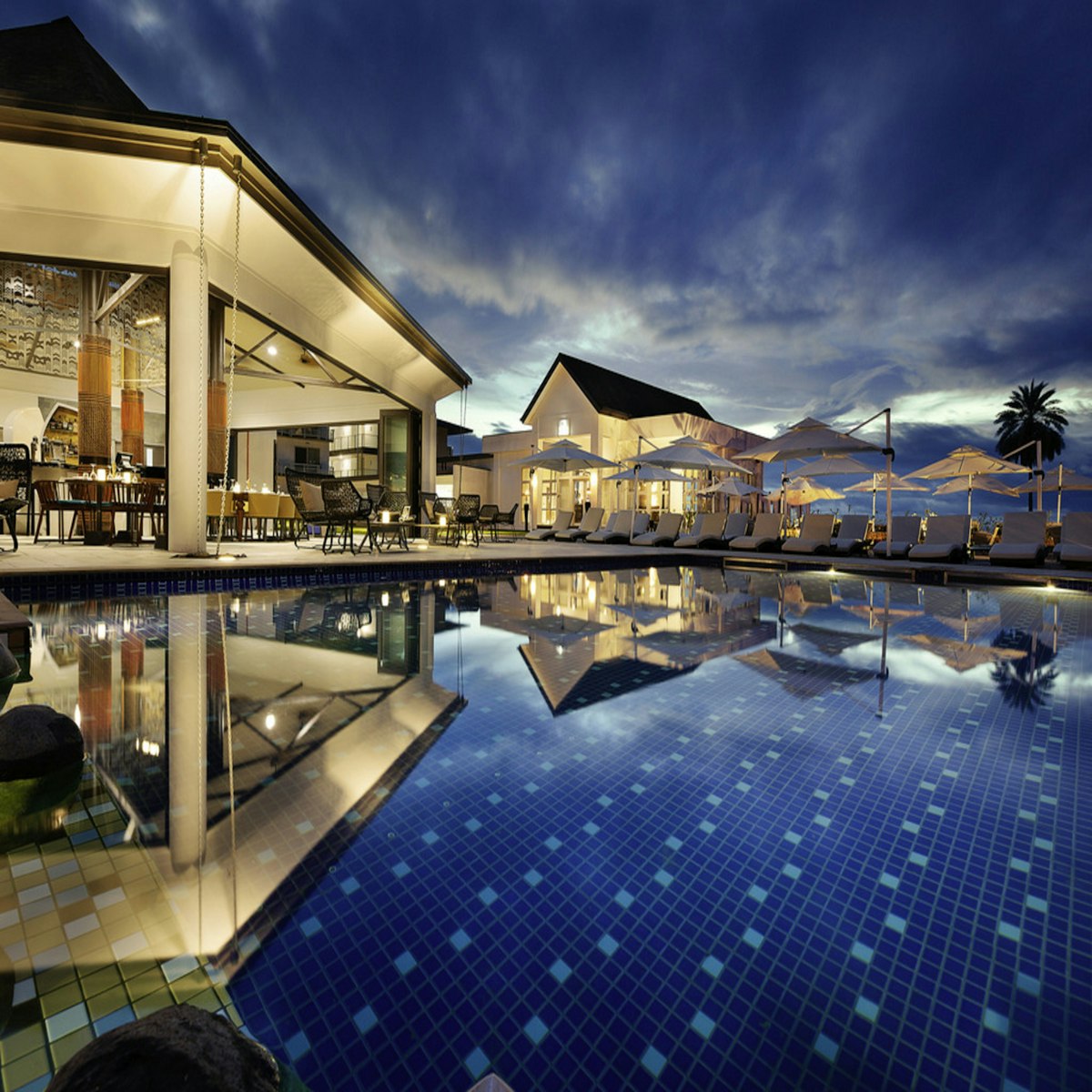
The amenity center at Del Webb Nocatee covers tens of thousands of square feet and includes resort-style pools -- both lap pools and resort pools -- an indoor lap pool, fitness center with cardio and strength equipment, aerobics and yoga studios, a craft room, a ballroom for events and performances, a demonstration kitchen, indoor sports courts, and enough gathering spaces that you could spend the entire day there and never run out of things to do.
When people first tour it, the reaction is usually the same: mild disbelief. It does not look like what you expect a retirement community to look like. It looks like a high-end health club attached to a luxury hotel lobby, with a pickleball complex out back. The outdoor amenities include multiple pickleball courts, bocce ball, shuffleboard, and a fire pit area for evening gatherings.
What residents are quick to tell you is that they do not use all of it -- at least not at first. The scale can feel overwhelming. But over time, people settle into their rhythms. The morning walkers find their route. The fitness center regulars establish their hours. The pickleball players join the league. The craft room fills up on Wednesday afternoons. The center starts to feel like a natural extension of the home rather than a destination you have to make a plan to visit.
The Social Programming: Built In, Not Required
This is the piece that surprises people most, especially those who moved here worried about isolation. Del Webb communities are run by a lifestyle director -- a staff member whose entire job is to organize and facilitate the social calendar. Classes, clubs, leagues, events, themed parties, day trips, fitness challenges, holiday celebrations, and community gatherings fill the calendar every month. There is always something happening.
But here is what is equally important: none of it is mandatory. Nobody comes to your door and makes you participate. The programming is there for the people who want it, and it is genuinely excellent -- but the residents who prefer a quieter, more independent life are equally welcome. You can use the pool and the fitness center every day and never attend a single organized event. Or you can fill your week with clubs and classes and social activities. The community accommodates both.
In practice, most residents land somewhere in the middle. They find two or three things that become weekly habits -- a fitness class, a pickleball group, a social club or hobby club -- and those form the backbone of their social life. For people who were worried that retiring and moving to a new community meant starting from scratch with no social network, this structure is genuinely valuable. Your people are already there. The activity you share is already organized. All you have to do is show up.
The Neighbors: Who Actually Moves Here
The picture most people have in their heads of a 55-and-better community is not accurate for Del Webb in 2026. The residents skew 55 to 70, though both ends of the age range are well represented. Many moved from the Northeast -- New York, New Jersey, Pennsylvania, Connecticut -- as well as the Midwest and other high-tax states. Some came from other parts of Florida. A meaningful number are still working, either remotely or part-time.
They are active. They are engaged. They are the kind of people who read, travel, exercise, volunteer, take classes, and have strong opinions about their pickleball serve. Many describe a version of the same experience: they were moderately social in their previous life, they worried the community would be too structured or too quiet or too homogeneous, and they were wrong on all counts.
The community skews accomplished and curious -- engineers and executives, teachers and nurses, business owners and attorneys who have earned the life they are now building. They came from different places and different careers, but they are here for the same reason: they chose Northeast Florida, they chose this community, and they want to make the most of it. That shared intentionality creates a culture that is hard to manufacture and genuinely present in Del Webb communities.
Ready to See Del Webb in Person?
A tour tells you more than any blog post can. If you are curious about Del Webb Nocatee or Del Webb Ponte Vedra, it is worth a morning visit -- the amenity center, the neighborhoods, and the feel of daily life there are best understood firsthand.
Call or text Joey Larsen: 904-863-6679
or visit RetireMeToFlorida.com
The HOA: What It Covers and What It Costs
The HOA fees in Del Webb communities cover more than a typical neighborhood HOA. In addition to common area maintenance, the fees cover access to the amenity center and all of its facilities, exterior lawn maintenance (in most configurations), and the lifestyle programming budget that funds the social calendar. Exact fees vary by home type and lot, but buyers should expect to budget $200 to $400 per month depending on the specific community and the level of maintenance services included.
There is also a CDD (Community Development District) fee, which is common throughout Northeast Florida's master-planned communities and appears on your property tax bill rather than as a separate monthly payment. CDDs fund the infrastructure development costs -- the roads, parks, amenity centers, and utilities that were built to create the community -- and they are amortized over time. Most CDD assessments in Del Webb range from $1,500 to $3,500 per year, depending on the age of the home and the specific district.
The honest way to evaluate these costs is as a bundle. You are paying for the pool, the fitness center, the lawn service, the social programming, and the organized community infrastructure. For many buyers coming from suburban homes where they paid separately for gym memberships, lawn services, and country club dues, the all-in cost is comparable or lower. The difference is that everything is right outside your front door.
What People Wish They Had Known Before They Moved In
Ask longtime Del Webb residents what they wish someone had told them, and a few themes emerge consistently. First: arrive with an open mind and a willingness to say yes. The people who thrive here are the ones who accept a few invitations before they feel ready, show up to the first club meeting before they are sure they belong, and let the community do its work. It does its work quickly for people who let it.
Second: the first few months are an adjustment even when everything goes right. Moving to a new community in a new state is a significant life change, and the social richness of Del Webb does not eliminate the adjustment period -- it just shortens it. By month three, most residents have found their rhythm. By month six, they cannot imagine the life they left behind.
Third: the lifestyle is genuinely active. This is not a community that will encourage you to slow down. The fitness culture, the pickleball culture, the travel culture -- it is a community of people who are not done yet, who are not content to sit quietly and wait for something to happen. If that describes you, you will fit in immediately. If you were hoping for a slower gear, you can find that too -- but the community energy will probably surprise you with how much it pulls you forward.
Frequently Asked Questions
What is the age requirement for Del Webb Nocatee and Del Webb Ponte Vedra?
Both communities are 55-and-better communities, meaning at least one person in the household must be 55 or older, and no permanent residents under 19 are permitted. Guests, including grandchildren, are welcome to visit for limited periods (typically up to 30 days per year). The communities are legal 55-and-better communities under the Housing for Older Persons Act (HOPA), which permits age-restricted housing when the community meets certain federal requirements.
How do Del Webb Nocatee and Del Webb Ponte Vedra differ?
Both communities are built by Pulte under the Del Webb brand within the broader Nocatee development, but they have separate amenity centers, separate HOAs, and somewhat distinct neighborhood characters. Del Webb Nocatee is the larger of the two and has been selling longer, so it has a more established community and a fuller social calendar. Del Webb Ponte Vedra is newer and has a slightly different home design palette. Both communities offer similar floor plans and amenity packages. The right choice often comes down to which neighborhood feel resonates more during a visit.
Is Del Webb Nocatee a good place to retire if I don't know anyone in Northeast Florida?
Yes -- in fact, most people who move to Del Webb communities do not know anyone there when they arrive. The community is specifically designed to make connection easy. The lifestyle director organizes activities across a wide range of interests, and most residents report forming meaningful friendships within the first few months. Buyers who were most worried about social isolation consistently say it was a non-issue by month three. The community's shared intentionality -- everyone chose to be here -- creates a culture of openness that makes arriving as a newcomer unusually easy.
What are the HOA and CDD fees at Del Webb Nocatee?
HOA fees at Del Webb Nocatee typically range from $200 to $400 per month depending on the specific neighborhood, home type, and the level of lawn maintenance services included. CDD fees appear on the annual property tax bill and typically range from $1,500 to $3,500 per year depending on the district and home age. These fees fund access to the amenity center, the lifestyle programming, common area maintenance, and the community's shared infrastructure. For a precise breakdown on a specific home, contact the builder's sales team or ask during a community tour.
Search Northeast Florida Homes
Browse active listings across Northeast Florida -- from master-planned communities in Nocatee, RiverTown, Tributary, and St. Johns County to coastal homes in Ponte Vedra Beach, Jacksonville Beach, Neptune Beach, and Atlantic Beach.
What To Do Right Now
The best way to understand a Del Webb community is to visit one. The floor plans, the amenity center, the neighborhood feel, and the energy of the people who live there -- none of it translates fully through photos or a blog post. If you are curious about Del Webb Nocatee or Del Webb Ponte Vedra, the right next step is to schedule a tour and spend a morning walking through it.
Call or text Joey Larsen at 904-863-6679, or visit RetireMeToFlorida.com to get started.
Categories
- All Blogs (386)
- Buyer Questions (10)
- Buyer Resources (14)
- Communities (8)
- Cost of Living (6)
- Insurance & Risk (1)
- Jacksonville / St. Johns County (3)
- Joey Studies The Market (1)
- Local Area Happenings (1)
- Local Favorites (76)
- Market Intelligence (75)
- Market Update (3)
- Nocatee (2)
- Northeast Florida Market (1)
- Our Communities (4)
- Questions Buyer Are Asking (25)
- Questions Sellers Are Asking (8)
- Real Estate Done Right (11)
- Relocation (1)
- Relocation Guides (66)
- Retirement Planning (4)
- Seller Resources (3)
- The Florida Life (82)
Recent Posts