Exploring St. Augustine from Nocatee: A Day Trip Guide
Have You Made the Drive Down to St. Augustine Yet?
You leave Nocatee sometime around 8 in the morning, before the heat has settled in and before the weekend crowd has filled the parking garages. The drive takes you south on US-1, past the flat pine corridors of St. Johns County, and then the landscape starts to shift -- moss-draped oaks, older storefronts, a different feeling in the air. By the time you cross the Bridge of Lions and the Matanzas River opens up on both sides of you, you understand why people have been drawn to this place for five hundred years. St. Augustine is about 30 to 35 minutes from Nocatee. It is one of the great day trips in Northeast Florida, and a lot of people who live here still haven't made the drive.
St. Augustine is approximately 30 to 35 minutes south of Nocatee via US-1 or I-95 South. The historic district, St. George Street, Castillo de San Marcos, and St. Augustine Beach are all within easy reach for a relaxed, same-day visit. Most people spend 6 to 8 hours and return home before dinner.
Why St. Augustine Belongs on Your Rotation
One of the quieter pleasures of living in Nocatee or St. Johns County is the proximity to a city this old and this layered. St. Augustine was founded in 1565, making it the oldest continuously occupied European-established settlement in the United States. That is not a tourism slogan -- it is the actual explanation for why the streets feel different here, why the architecture surprises you around every corner, and why the place has a gravity that most Florida destinations simply don't.
For residents, it functions as a slow-day destination: you go for coffee, for a walk, for lunch on the water, for a dose of somewhere that feels nothing like the rest of Florida. For anyone considering a move to Northeast Florida from out of state, St. Augustine is often the tipping point. People arrive for a visit and start calculating how quickly they could make this their backyard.
Morning: Start With Coffee and St. George Street
The best version of a St. Augustine morning starts on foot. Park in one of the garages near the historic district -- the St. Augustine Visitor Information Center on San Marco Avenue has reliable parking -- and walk toward St. George Street before the tour groups arrive.
St. George Street is a pedestrian-only corridor that runs through the heart of the colonial district. Cobblestone underfoot, low stucco buildings in coral and cream, ironwork balconies overhead. There are coffee shops tucked into the ground floors of buildings that were standing before the American Revolution. Get your coffee, find a bench, and let the morning settle around you before the day gets busy.
The Colonial Quarter on St. George Street offers a living history experience -- blacksmiths, musket demonstrations, period architecture -- that rewards curiosity without requiring a full commitment to tourist mode. It is the kind of place where you wander in and stay longer than you planned.
Late Morning: Castillo de San Marcos
The Castillo de San Marcos sits at the northern end of the historic district, directly on the waterfront. It is a National Monument and the oldest masonry fortification in the continental United States -- built from coquina, a locally quarried shell-rock that proved so resilient that cannonballs would sink into the walls rather than shatter them.
You can walk the ramparts, look out over the Matanzas River, and get a clear visual sense of why this location was strategically essential for 300 years of competing colonial powers. It takes about an hour to move through at a comfortable pace. The views of the river from the top of the walls are worth the admission alone.
Thinking About Making Northeast Florida Home?
If days like this are what you're imagining when you picture your life here, Joey Larsen can help you find the right community -- whether that's Nocatee, Ponte Vedra Beach, or somewhere along the coast.
Call or text Joey Larsen: 904-863-6679
or visit RetireMeToFlorida.com
Midday: Flagler College and the Plaza de la Constitución
Flagler College occupies one of the most extraordinary buildings in Florida -- the former Ponce de León Hotel, built by Henry Flagler in 1888 as part of his campaign to transform Florida into a winter destination for wealthy Northerners. The Spanish Renaissance architecture is breathtaking: towers, colonnaded loggias, a rotunda ceiling painted by George Maynard. Free public tours of the interior run during the school year and summer.
The Plaza de la Constitución is the old town square at the center of the historic district -- a tree-shaded park flanked by the Basilica Cathedral of St. Augustine and the Government House. It is a good spot for people-watching and a natural gathering point before lunch. On weekends, there are often vendors and musicians along the edges.
Afternoon: The Bridge of Lions and the Waterfront
The Bridge of Lions is the twin-bascule drawbridge that connects downtown St. Augustine to Anastasia Island. It was completed in 1927 and is now one of the most photographed structures in Northeast Florida. Walking across it gives you an unobstructed view of the Matanzas River, the harbor, and the Castillo behind you. It is also a useful orientation point -- you start to understand how the geography of the city fits together when you can see it from the water.
The bayfront along Avenida Menendez, just west of the bridge, is lined with restaurants and cafés overlooking the harbor. This is the right place for a long lunch -- something local, something that involves a view of the water and doesn't require a reservation if you time it before 1 p.m. The pace slows here in a way that reminds you why people love this part of Florida.
Late Afternoon: St. Augustine Beach
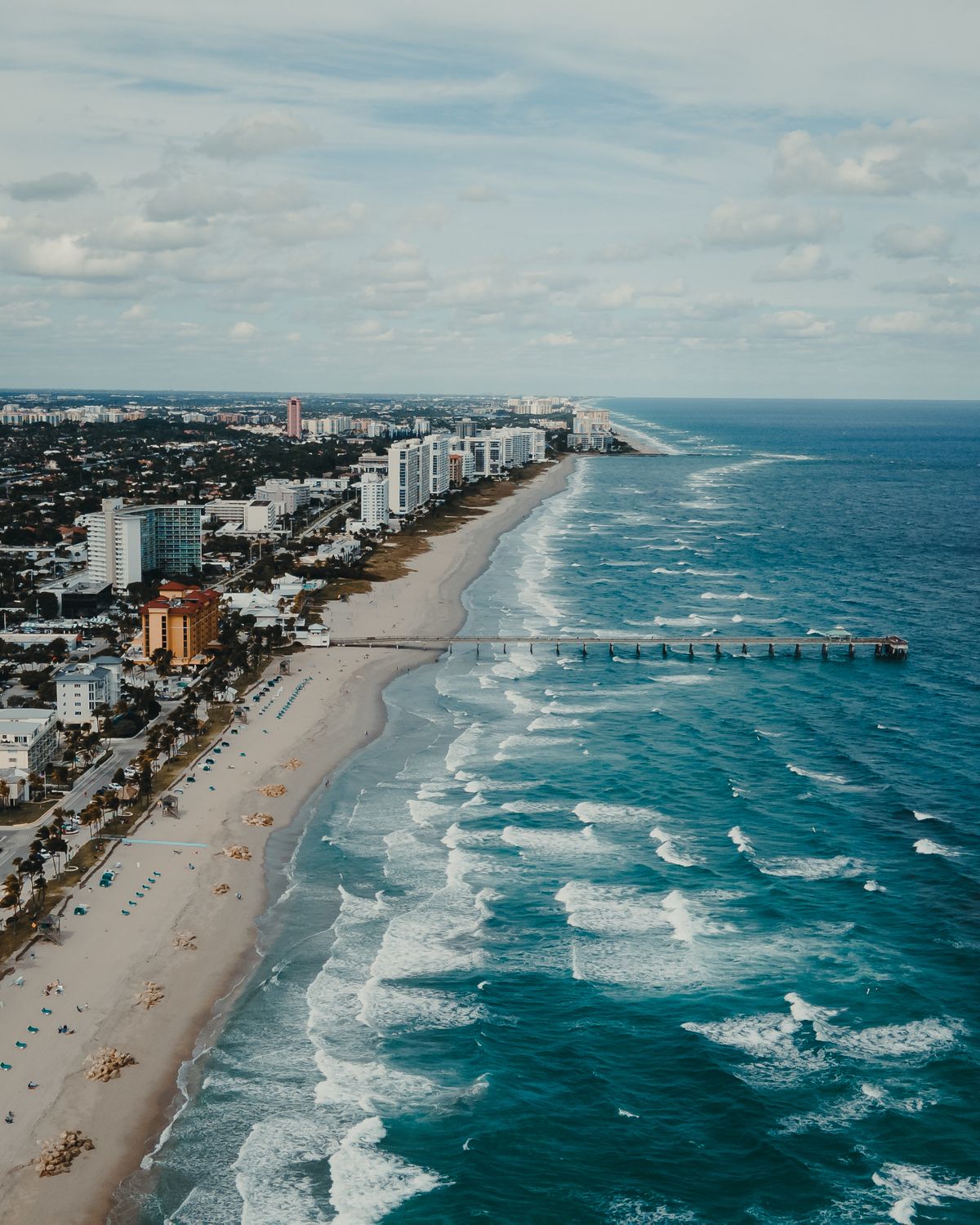
St. Augustine Beach is about 5 miles east of the historic district, across the Vilano Beach Bridge or south over the Bridge of Lions onto Anastasia Island. The beach here is wide and uncrowded compared to the more popular stretches further north, and the town that surrounds it has a laid-back, local feel that has resisted the heavy commercialization of some Florida beach towns.
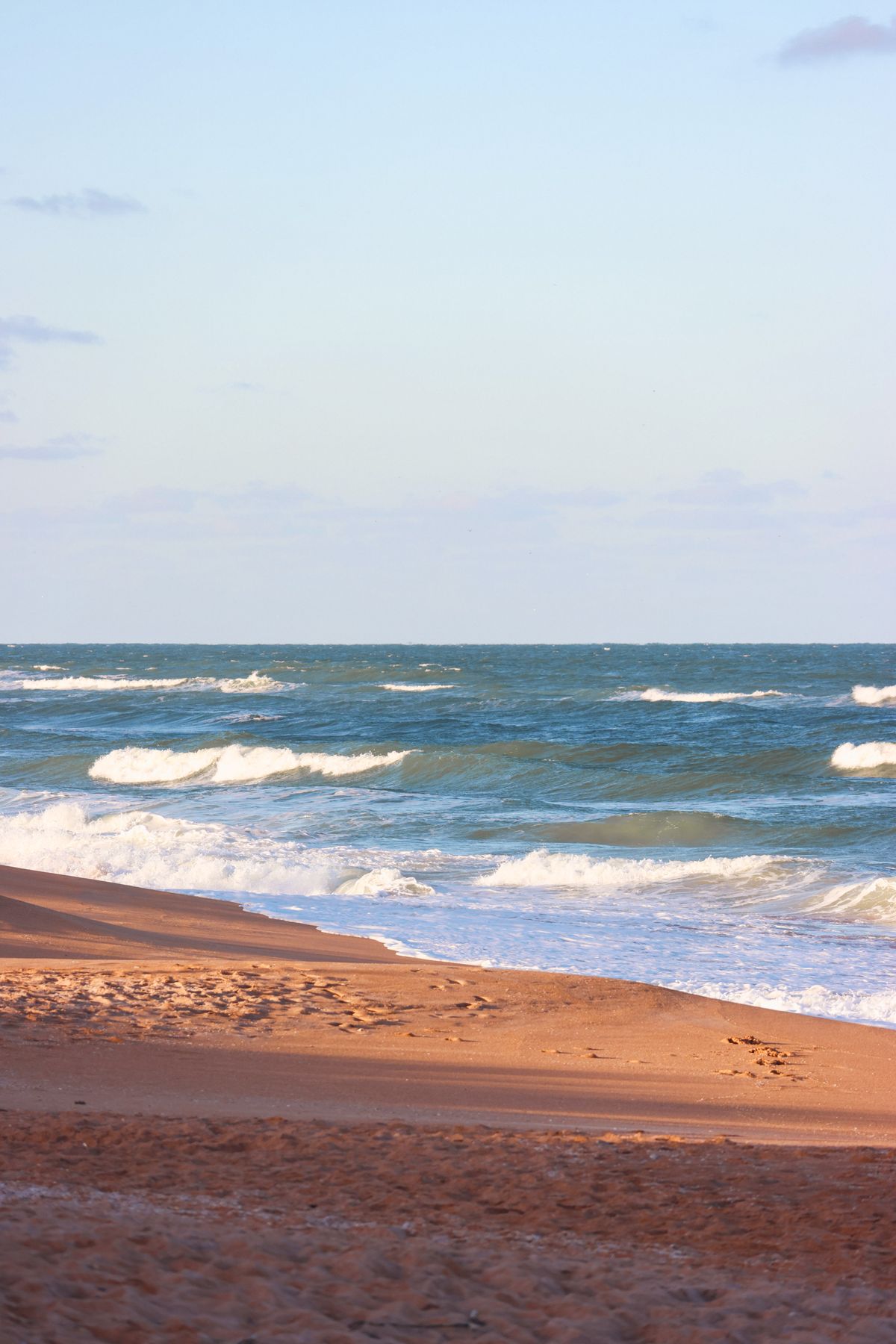
Late afternoon on the beach -- after 4 p.m., when the light starts to soften and the heat eases -- is one of the more quietly perfect things available to anyone living in Northeast Florida. The Atlantic turns gold before sunset. The crowds thin. You have the drive back to Nocatee ahead of you, but you are not in a rush yet. This is the moment people remember when they try to explain why they moved here.
A Few Practical Notes Before You Go
St. Augustine is busiest on weekends between March and August. If you want the historic district to feel spacious rather than crowded, weekday mornings between September and February are ideal. The parking situation in the historic district is manageable if you arrive before 10 a.m. -- after that, the garages fill up and street parking disappears.
The city is walkable in the historic district itself, but the distances between the beach, the Castillo, and Flagler College add up. Comfortable shoes are not optional. Golf cart rentals are available near the historic district if you want a faster way to move between neighborhoods.
Finally: St. Augustine gets a lot of cruise-ship day visitors during certain times of year. If you see a large vessel in the harbor when you arrive, expect St. George Street to be more crowded than usual from around 10 a.m. to 3 p.m.
Frequently Asked Questions
How far is St. Augustine from Nocatee?
St. Augustine is approximately 30 to 35 minutes south of Nocatee. The most direct route is via US-1 South, which takes you through the historic corridor of St. Johns County. I-95 South to Exit 311 is a slightly faster option during high-traffic periods, though it deposits you further from the historic district.
What is the best time of year to visit St. Augustine from Northeast Florida?
Fall and early winter -- October through February -- offer the most comfortable temperatures and the thinnest crowds. Spring and summer are busier and hotter, though the beach season in those months has its own appeal. The holiday lights display in December, called Nights of Lights, is one of the most attended events in the region.
Is St. Augustine worth a day trip for someone who has already been to Florida's bigger tourist destinations?
Absolutely -- and in many ways it rewards a visit more than larger theme-park destinations do. St. Augustine is a real city with a continuous 450-year history, working neighborhoods, local restaurants, and a sense of place that most Florida destinations have traded away for scale. Visitors who come expecting a polished tourist corridor often leave surprised by how much substance is here.
What To Do Right Now
If a day like this sounds like the life you're working toward, it might be closer than you think. Whether you are researching communities from out of state or already living in Northeast Florida and wondering what a move here would look like, the conversation is always worth having.
Call or text Joey Larsen at 904-863-6679, or visit RetireMeToFlorida.com to get started.
Categories
- All Blogs (414)
- Buyer Questions (10)
- Buyer Resources (14)
- Communities (8)
- Cost of Living (6)
- Insurance & Risk (1)
- Jacksonville / St. Johns County (3)
- Joey Studies The Market (1)
- Local Area Happenings (1)
- Local Favorites (83)
- Market Intelligence (82)
- Market Update (3)
- Nocatee (2)
- Northeast Florida Market (1)
- Our Communities (4)
- Questions Buyer Are Asking (25)
- Questions Sellers Are Asking (8)
- Real Estate Done Right (11)
- Relocation (1)
- Relocation Guides (73)
- Retirement Planning (4)
- Seller Resources (3)
- The Florida Life (89)
Recent Posts