Choosing Between St. Johns, Duval, Nassau, and Clay County
Which Northeast Florida County Is Actually Right for You?
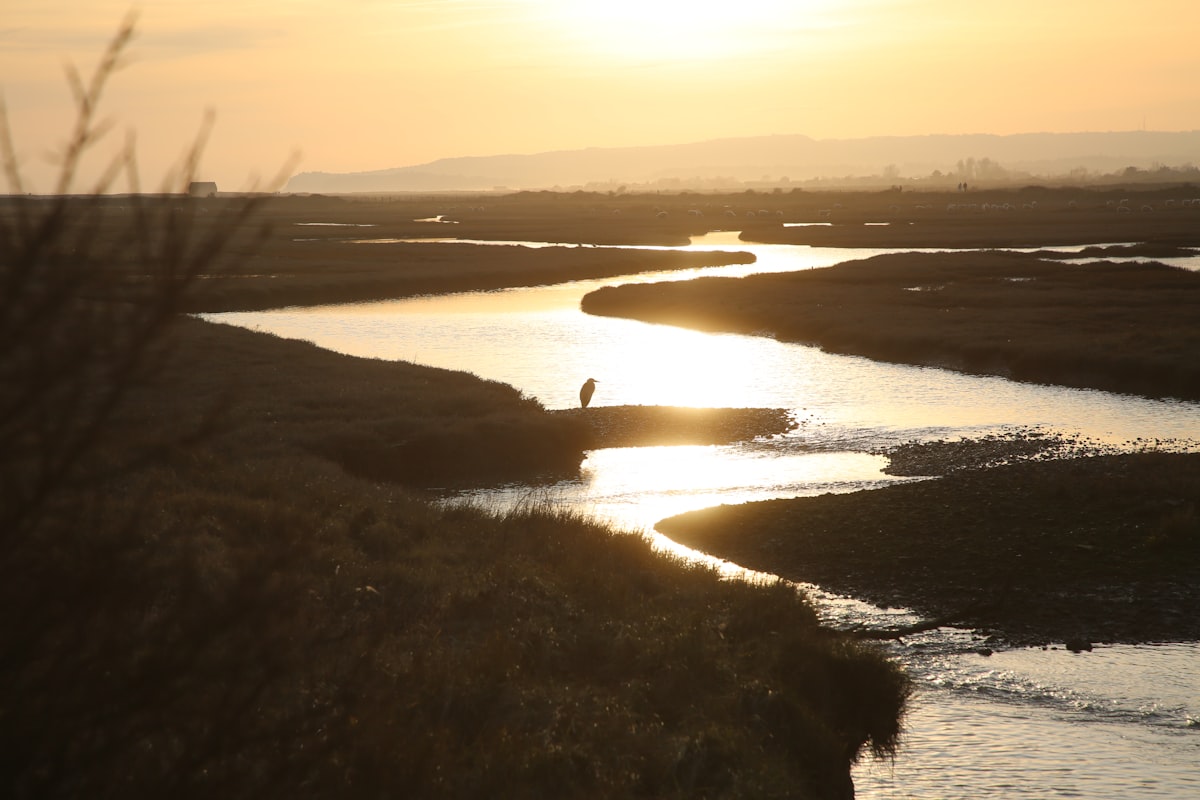
You can drive across all four in a single afternoon. Start with coffee in Fernandina Beach, cross the marshes into Duval, take the Buckman down into Clay, then swing east through St. Johns and finish with your feet in the sand at Ponte Vedra Beach before dinner. On a map it looks like one metro area.
On the ground it does not feel like one place at all. The housing stock changes. The pace changes. The way the land meets the water changes. And the monthly cost of living in an otherwise identical house can change with it.
Most people arrive here focused on a specific neighborhood. The better starting question is which county fits the life you are trying to build.
St. Johns, Duval, Nassau, and Clay counties each cover a different slice of the Northeast Florida market. St. Johns is the center of new master-planned development in communities like Nocatee, RiverTown, and Shearwater. Duval covers Jacksonville and the beaches, with the widest range of housing ages and prices. Nassau offers small-town coastal character in Fernandina Beach and fast-growing newer construction in Yulee. Clay County, anchored by Fleming Island, tends to offer more land for the money with an easy line into Jacksonville.
St. Johns County: Where the New Communities Live
If you have been researching Northeast Florida online for more than a week, you have already been shown St. Johns County. It is the epicenter of master-planned development in this region, and the names have become shorthand for a certain kind of Florida life.
Nocatee is the largest and most programmed, with a splash park, a lazy river, a town center, and a calendar of events that runs all year. RiverTown sits on the St. Johns River with a riverfront amenity campus. Shearwater leans on Trout Creek, trails, and a kayak launch. Silverleaf continues to add new inventory at scale. Farther south you have World Golf Village and Palencia for a golf-centered pace, and St. Augustine for a historic downtown unlike anything else in the state.
The tradeoff is that most of this is new. If you want plaster walls and a hundred years of history, this is not your county. You are also likely to encounter CDD assessments in the newer communities, which fund the roads and amenities and show up on your annual tax bill in addition to HOA dues.
Duval County: Jacksonville, the Beaches, and Everything Between
Duval is the big one, and it contains the widest range of anything in Northeast Florida. Jacksonville itself is enormous by land area, which means the county holds urban neighborhoods, historic districts, suburban subdivisions, riverfront estates, and three distinct beach towns.
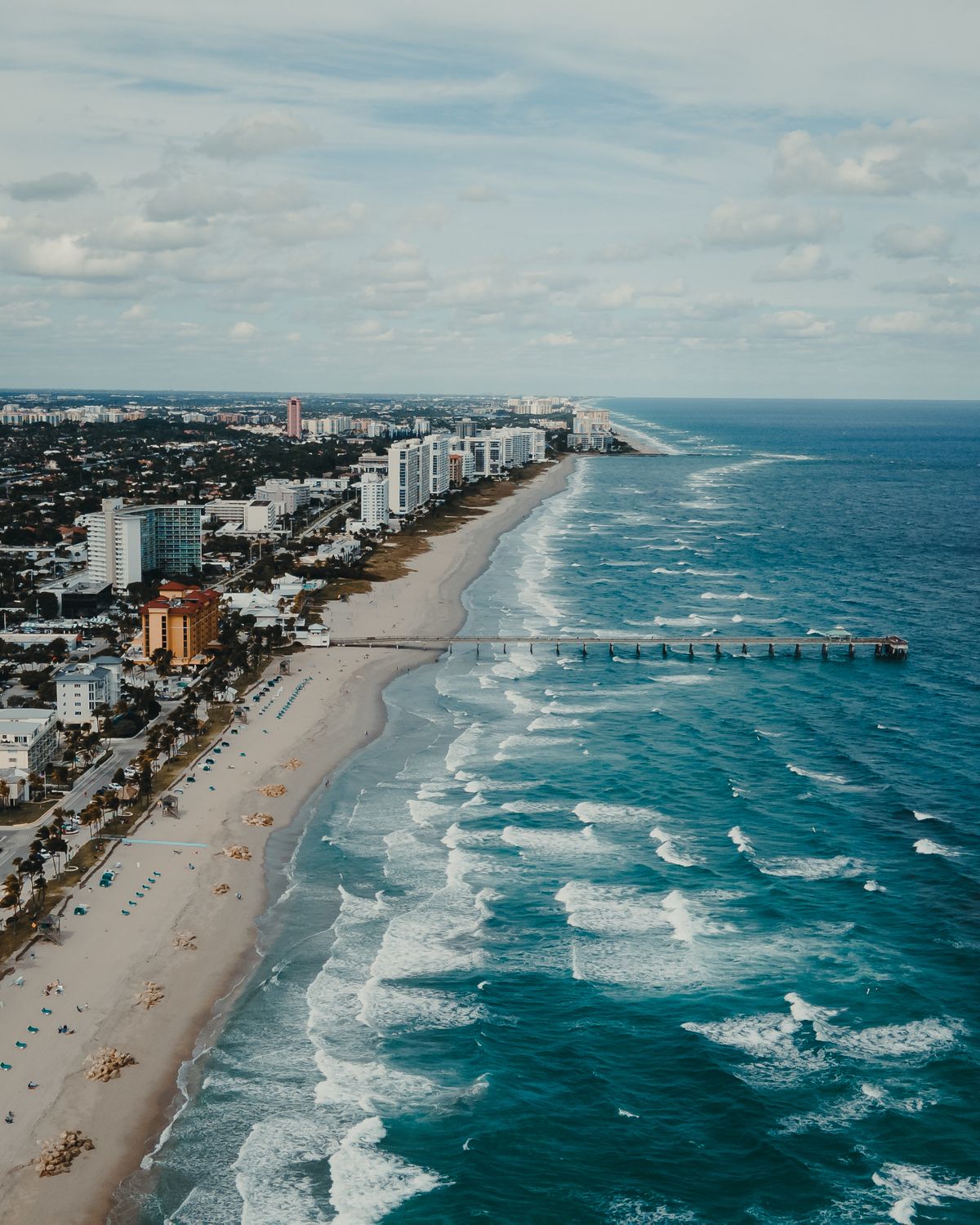
The beaches are where a lot of relocating buyers end up looking. Jacksonville Beach has the most energy and the most walkability. Neptune Beach is quieter and smaller. Atlantic Beach has a residential, tucked-in feel with the Beaches Town Center shared between them. Lots are smaller, homes are generally older, and you trade square footage for the ability to walk to dinner and to the ocean.
Inland Duval offers the region's most varied price points and the shortest commutes to downtown employment. The historic neighborhoods near the river have character that is genuinely rare in Florida.
What you should look at closely in Duval is age of the home and its systems. Roof age, HVAC age, plumbing and electrical updates, and flood zone designation matter a great deal here, and they drive both your insurance and your maintenance budget.
Not Sure Which County Fits Your Budget and Your Life?
Whether you are relocating from out of state or already own here and are ready for the next move, we can compare the counties against your real numbers, on both the sale side and the purchase side.
Call or text Joey Larsen: 904-863-6679
or visit RetireMeToFlorida.com
Nassau County: Small Town Coastal, Plus a Growth Corridor
Nassau is the county people fall for after they think they have already decided. It sits at the northeastern corner of Florida, and it has two very different personalities.
On the coast, Fernandina Beach and Amelia Island offer a historic downtown, a working shrimping heritage, oak canopies over brick streets, and beaches that feel less developed than what you find farther south. If you are coming from a small New England town or a Great Lakes village, this is the part of Northeast Florida most likely to feel like home.
Inland, the Yulee corridor has become one of the fastest-growing areas in the region. Tributary is the headline community there, built around trails, preserve land, and a resort-style amenity center, and it offers newer construction at a different price point than comparable St. Johns County product.
The considerations are distance and infrastructure. You are farther from most Jacksonville employment centers and farther from Jacksonville International than you are from many St. Johns addresses, and services in the growth corridor are still catching up to the rooftops.
Clay County: More Land, Less Density
Clay sits southwest of Jacksonville along the western bank of the St. Johns River, and it has historically offered the most space for the money in the region.
Fleming Island is the best-known area, with established neighborhoods, river access, and a straightforward drive into Jacksonville. Orange Park is older and more built out. Head farther south and west and lots get larger quickly, with genuinely rural parcels available for buyers who want acreage, workshops, or room for horses.
Clay tends to appeal to buyers who find the master-planned model too structured. Fewer CDDs, more older neighborhoods without an HOA at all, and a general sense of more elbow room.
The tradeoffs are commute and amenity density. You are farther from the ocean than anywhere else on this list, and the resort-style community amenities that define St. Johns County are less common here.
How the Counties Differ on Cost Structure
Price per square foot is the comparison everyone starts with, and it is the least useful one. What actually differs county to county is the shape of your monthly obligation.
Property tax millage rates are set locally and vary by county and by the specific taxing districts within them. CDD assessments exist mainly in newer master-planned communities, which concentrates them in St. Johns and parts of Nassau. HOA dues range from nothing at all in older Clay and Duval neighborhoods to a meaningful monthly figure in amenity-heavy communities. Flood zone designation, elevation, and distance from the water drive insurance costs, which can vary widely even between two houses in the same neighborhood.
Because all four of those variables move independently, two homes with identical purchase prices in two different counties can carry very different monthly costs. Pull the actual tax bill, the actual HOA and CDD figures, and an actual insurance quote for any specific home before you compare it to another one, and confirm current rates with the county property appraiser and tax collector rather than relying on general estimates.
How to Narrow It Down
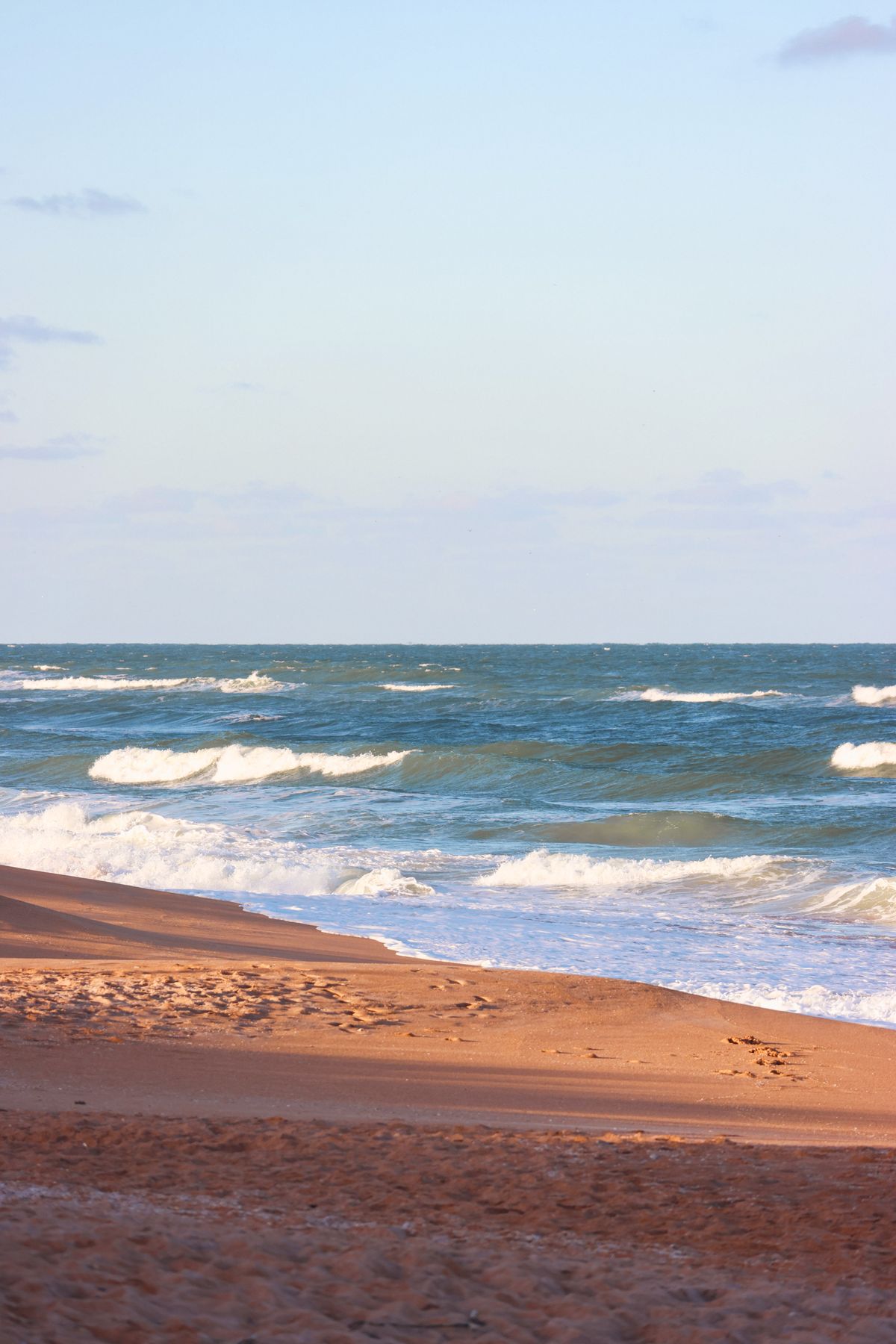
Start with water. If you want to be able to walk to the ocean, you are looking at coastal Duval, Nassau, or the Ponte Vedra Beach area of St. Johns. If river and creek access matters more, RiverTown, Fleming Island, and the Intracoastal corridor deserve attention.
Then decide how you feel about structure. Amenity-rich, rule-bound master-planned living is a genuine preference, not a default. Some people thrive in it. Others want a mailbox they can paint whatever color they like.
Finally, drive it. Spend a day in each county at the hours you would actually be living your life. The map cannot tell you how a place feels at five in the afternoon, and that feeling is usually what makes the decision.
Frequently Asked Questions
Which county has the most new construction?
St. Johns County leads by a wide margin, with large master-planned communities like Nocatee, RiverTown, Shearwater, and Silverleaf. Nassau County's Yulee corridor, including Tributary, is the fastest-growing alternative and often offers newer homes at a different price point.
What is a CDD and which counties have them?
A community development district is a special district that finances infrastructure and amenities through bonds, repaid by residents through an annual assessment on the tax bill. They are most common in newer master-planned communities, which means they show up most often in St. Johns County and in newer Nassau County developments.
Can I get to the beach easily from any of these counties?
From coastal Duval, Nassau, and eastern St. Johns, yes, often in well under thirty minutes. From inland St. Johns communities it is a manageable drive. From Clay County it is a real trip, so if the ocean is central to your daily life, Clay is probably not your county.
Which county is best for someone still working in Jacksonville?
Duval and Clay generally offer the shortest commutes to Jacksonville employment centers, with northern St. Johns County close behind. Nassau County is workable but longer. Test the drive during actual rush hour before deciding.
Search Northeast Florida Homes
Browse active listings across Northeast Florida, from master-planned communities in Nocatee, RiverTown, Tributary, and St. Johns County to coastal homes in Ponte Vedra Beach, Jacksonville Beach, Neptune Beach, and Atlantic Beach.
What To Do Right Now
The fastest way to narrow four counties down to one is a real conversation about your budget, your must-haves, and what you need from the sale of your current home.
Call or text Joey Larsen at 904-863-6679, or visit RetireMeToFlorida.com to get started.
Categories
- All Blogs (470)
- Buyer Questions (10)
- Buyer Resources (14)
- Communities (8)
- Cost of Living (6)
- Insurance & Risk (1)
- Jacksonville / St. Johns County (3)
- Joey Studies The Market (1)
- Local Area Happenings (1)
- Local Favorites (97)
- Market Intelligence (96)
- Market Update (3)
- Nocatee (2)
- Northeast Florida Market (1)
- Our Communities (4)
- Questions Buyer Are Asking (25)
- Questions Sellers Are Asking (8)
- Real Estate Done Right (11)
- Relocation (1)
- Relocation Guides (87)
- Retirement Planning (4)
- Seller Resources (3)
- The Florida Life (103)
Recent Posts