The Best Time of Year to Move to Northeast Florida
When Is the Right Month to Make the Move to Northeast Florida?
Picture the truck in your driveway with the ramp down and half your life already inside it. Now picture the weather on that day. Is it twenty-eight degrees and you are carrying boxes across a salted walkway? Is it ninety-four and the movers are on their third water break by ten in the morning?
Almost nobody chooses their moving month deliberately. It gets chosen for them by a closing date, a lease ending, or a job. But if you have any flexibility at all, the month you pick will shape your first impression of Northeast Florida more than you expect.
Here is how the year actually plays out here, from the moving truck to the housing market to the first week in your new kitchen.
The best time of year to move to Northeast Florida is generally October through early December or late February through April, when the weather is mild, hurricane season is quiet or over, and moving conditions are comfortable. Summer moves into Jacksonville, St. Johns County, and the beaches are the hardest physically and fall inside hurricane season. The right month for you also depends on when your current home sells, since most buyers here are sellers first.
October Through Early December: The Quiet Favorite
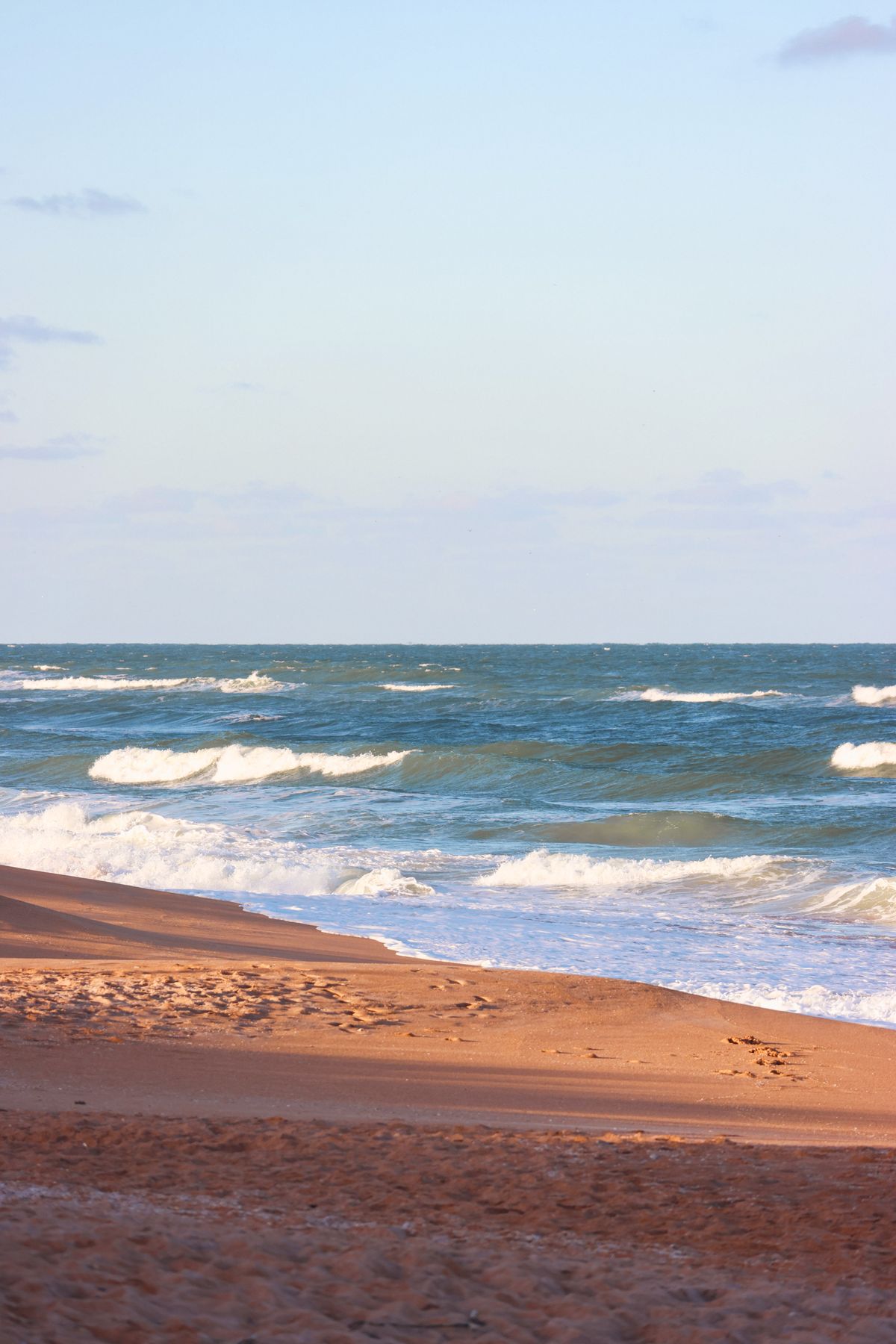
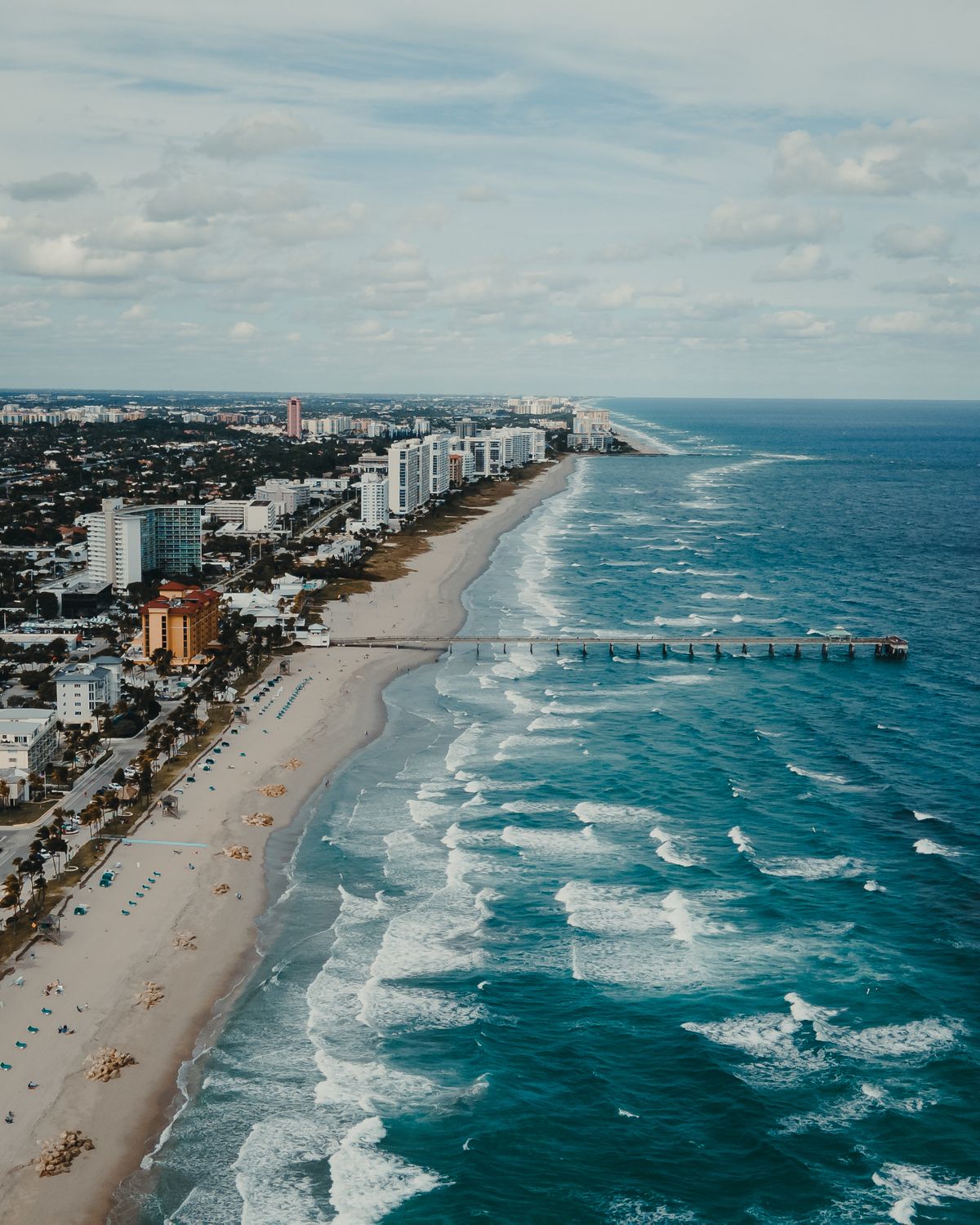
Ask people who have moved to Northeast Florida more than once and a lot of them will point at October. Hurricane season is winding down, the humidity finally breaks, and the days settle into the seventies with the kind of light that makes Ponte Vedra Beach and Amelia Island look like a brochure.
Physically, it is the easiest stretch of the year to carry furniture. Your movers will be happier. Your pets will handle the transition better. You can leave the doors open all day while boxes come in.
It is also a good window emotionally. You arrive just as locals start using their patios again, holiday events fill up Nocatee Town Center and the Beaches Town Center, and neighborhoods are visibly social. Landing somewhere new is easier when the place you landed is outside.
January Through Mid-February: Cool, Calm, and Competitive
Winter here is mild but not uniform. You will get stretches in the seventies and you will get a handful of mornings in the thirties that surprise people who assumed Florida meant tropical. Northeast Florida sits far enough north to have a real, if short, cool season.
Moving conditions are easy. Truck availability is usually better than in peak summer. And the drive down from the Midwest or Northeast has one obvious risk, which is winter weather on the front half of the trip.
What happens on the market side is worth knowing. January is when the relocation season begins in earnest. Buyers who spent the holidays deciding start touring, and inventory that sat through December begins moving. If you are shopping in Nocatee, RiverTown, Shearwater, or the beaches during this window, expect company.
Trying to Time a Sale Up North With a Purchase Down Here?
The calendar question is really two calendars. Let's line up what your current home needs and what the Northeast Florida market is doing, so the two sides meet instead of missing.
Call or text Joey Larsen: 904-863-6679
or visit RetireMeToFlorida.com
Late February Through April: The Best All-Around Window
If someone forced a single answer out of me, it would live here. Late February through April is Northeast Florida at its most persuasive and its most practical.
The weather is close to ideal for physical work. Mornings are cool, afternoons are warm without being punishing, and rain is intermittent rather than daily. Unpacking a garage in March is a completely different experience than unpacking one in July.
You also get a full runway before summer. Arriving in spring gives you two or three months to find your grocery store, your beach access, your route to the airport, and your favorite spot in Fernandina Beach before the heat asks you to slow down. By the time August arrives, you are a local with a plan instead of a newcomer in a sauna.
The tradeoff is competition. Spring is the busiest stretch for movers, and it is an active period in the local housing market, particularly in St. Johns County and along the coast. Book earlier than you think you need to.
May Through September: Moving in the Heat
Summer moves happen constantly here, and they are entirely doable. They are just harder, and the difficulty is worth respecting rather than discovering.
Heat and humidity make physical labor genuinely taxing, especially between noon and five. Experienced local movers start early, often before seven, and try to be finished before the afternoon. Afternoon thunderstorms are close to a daily event in July and August, which means a wrapped mattress can get soaked between the truck and the front door if nobody is watching the sky.
Hurricane season runs June through November. That does not mean summer moves are risky in any dramatic sense, but it does mean you should have your homeowners insurance in place well before closing, since coverage can become harder to bind when a named storm is in the forecast. Talk with your insurance professional about timing rather than assuming it is a last-week detail.
The upside of a summer move is real, though. You arrive during the least crowded stretch, you may find more negotiating room, and you learn the hardest season first. Everything after that feels like a gift.
The Calendar You Actually Control Is Your Sale
Here is the part most people skip. For the majority of buyers coming into Northeast Florida, the moving date is not really theirs to choose. It is dictated by when the home up north sells and closes.
That means the more useful planning question is not what month you want to arrive. It is when you need to list, given how your local market behaves and how long the sale-to-close process typically takes where you live now.
Work backward. Pick your ideal arrival window, subtract your expected closing timeline, subtract your expected days on market, and that tells you when to start preparing the house. Most people who end up moving in the worst possible month got there because they started this exercise sixty days too late.
How to Choose Your Month
If your priority is comfort during the move itself, aim for October, November, March, or April.
If your priority is having more room to negotiate and less competition for homes, look at the deeper summer months or the stretch right around the holidays.
If your priority is settling in socially, arrive in fall. Community calendars are full, neighbors are outside, and it is much easier to meet people at a Nocatee food truck night in November than in the middle of August.
And if your priority is simply getting here, then the honest answer is that the best month is the one where both sides of your move line up. A clean transaction in July beats a stressful one in April every time.
Frequently Asked Questions
Is it a bad idea to move during hurricane season?
Not at all, but it requires a little more planning. Have your homeowners insurance bound early, keep an eye on forecasts around your closing date, and understand that insurers may pause new policy binding when a named storm threatens the area. Millions of people move here during those months without incident.
What is the cheapest time of year to hire movers?
Demand is generally lightest in late fall and winter, outside the holidays, which often improves both availability and pricing. Peak summer is the busiest and typically the most expensive. Get quotes from several companies and book as far ahead as you can either way.
Does the Northeast Florida housing market really slow down in summer?
It softens rather than stops. A lot of relocation activity here is driven by people whose timing is set by their own sale, not by the season, so homes trade year-round in Duval, St. Johns, Nassau, and Clay counties. Inventory and buyer traffic do shift through the year, which is worth reviewing with current local data before you commit to a window.
Should I rent for a few months before buying?
It is a common approach, especially if your home up north sells faster than expected. A short-term rental lets you test coastal versus inland living and shop in person, which almost always leads to a better decision than choosing from listing photos.
Search Northeast Florida Homes
Browse active listings across Northeast Florida, from master-planned communities in Nocatee, RiverTown, Tributary, and St. Johns County to coastal homes in Ponte Vedra Beach, Jacksonville Beach, Neptune Beach, and Atlantic Beach.
What To Do Right Now
If you have a rough arrival window in mind, the next step is working backward from it so your sale and your purchase land in the same season instead of six months apart.
Call or text Joey Larsen at 904-863-6679, or visit RetireMeToFlorida.com to get started.
Categories
- All Blogs (470)
- Buyer Questions (10)
- Buyer Resources (14)
- Communities (8)
- Cost of Living (6)
- Insurance & Risk (1)
- Jacksonville / St. Johns County (3)
- Joey Studies The Market (1)
- Local Area Happenings (1)
- Local Favorites (97)
- Market Intelligence (96)
- Market Update (3)
- Nocatee (2)
- Northeast Florida Market (1)
- Our Communities (4)
- Questions Buyer Are Asking (25)
- Questions Sellers Are Asking (8)
- Real Estate Done Right (11)
- Relocation (1)
- Relocation Guides (87)
- Retirement Planning (4)
- Seller Resources (3)
- The Florida Life (103)
Recent Posts