The Best State Parks Near Jacksonville, Florida
You Don't Have to Go Far to Feel Like You've Left the World Behind
You turn off the main road and the traffic disappears within half a mile. The oaks close in. The road narrows. The quality of the light changes -- softer, filtered, green at the edges. There's a smell that is part salt, part pine, part something older that doesn't have a name. You've driven twenty minutes from a suburb with grocery stores and coffee shops and a full-service gym, and you are now somewhere that feels genuinely wild. This is Northeast Florida's particular gift: the kind of natural landscape that most coastal regions lost to development decades ago. Here it is still protected, still functioning, still available to anyone willing to show up and walk in.
Northeast Florida's state parks offer some of the most distinctive natural landscapes on the East Coast -- from the iconic driftwood beach at Big Talbot Island to the surf and sea turtles at Anastasia State Park and the mountain biking trails at Hanna Park. The Jacksonville metro has exceptional outdoor access within a short drive, making it a genuine draw for nature-oriented residents and visitors alike.
Big Talbot Island State Park -- The One That Stops You Cold
There is no other beach in Northeast Florida that looks like the beach at Big Talbot Island. The sand is dark -- almost gray -- and the shoreline is lined with the bleached, twisted trunks and root systems of ancient maritime oaks that have been undercut by erosion and deposited at the water's edge. At low tide, these skeletal trees lie across the beach in compositions that look curated -- dramatic, sculptural, unlike anything you'd expect to find inside a state park a short drive from a major metro. Photographers make dedicated trips here. First-time visitors stop walking and just stand for a while.
Big Talbot sits at the northern end of the Fort George Island corridor, accessible off Heckscher Drive along the A1A north of Jacksonville. The park offers hiking trails through the maritime hammock, birding opportunities that draw serious enthusiasts, and beach access that never feels crowded the way the developed beach towns do. There are no concessions, no lifeguards, no umbrellas for rent. What there is, is the beach in something close to its original form.
Little Talbot Island State Park -- The Full Coastal Experience
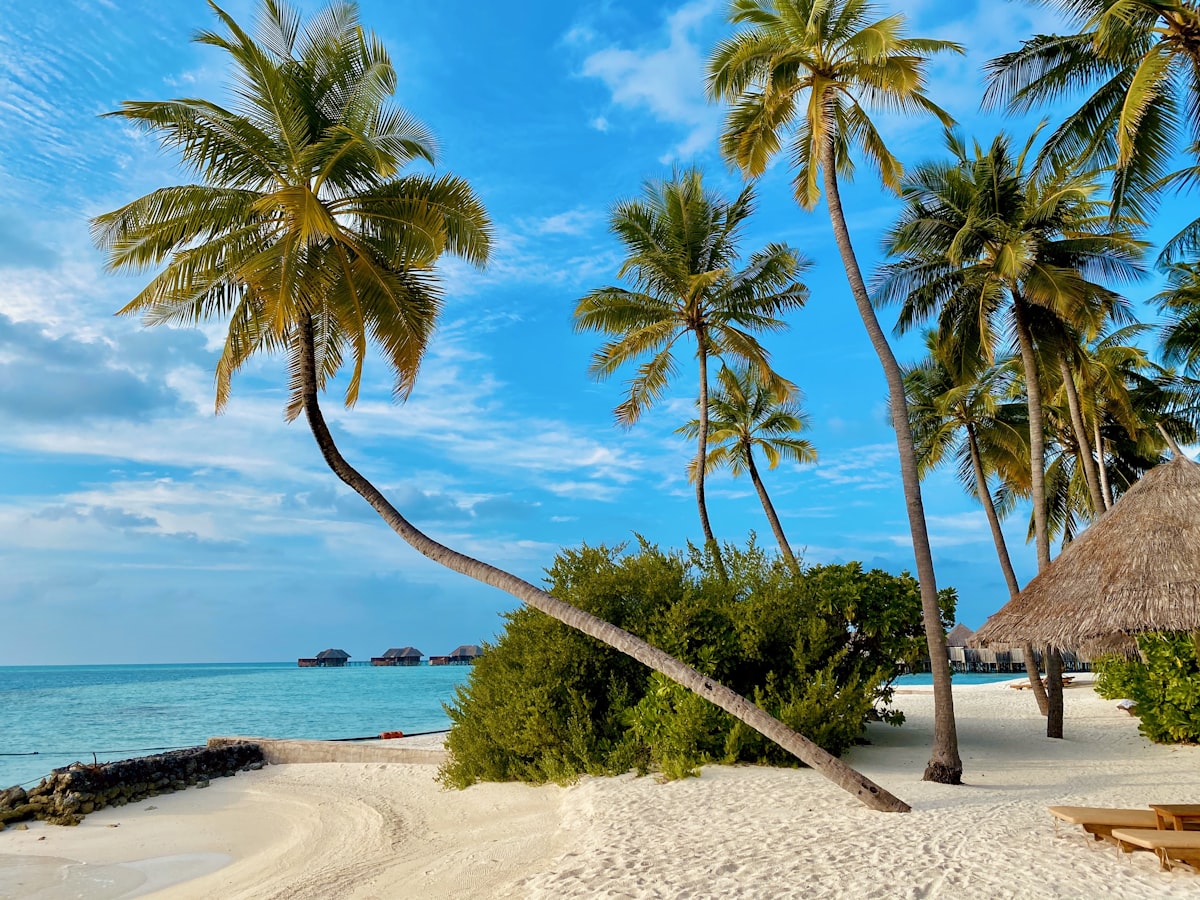
Just south of Big Talbot -- and connected to it in the imagination as much as on the map -- Little Talbot Island offers a more complete coastal park experience. The beach here is wide, white, and Atlantic-facing, with dunes stabilized by sea oats and a shoreline that can feel remarkably uncrowded outside of summer weekends. Sea turtle nesting season brings an additional layer to the experience -- the loggerhead and leatherback nests are marked and monitored, and encountering a fresh nest on a morning walk is one of those reminders that you are sharing the coast with creatures whose relationship to this place far predates your own.
Little Talbot has camping, which changes the experience entirely. Waking up inside a maritime park -- with the birds that start before sunrise and the light that comes through the palms at a low angle -- is something you carry with you. The campground is reservable and books ahead, particularly in spring and fall when the temperatures are ideal. If you haven't camped here, it belongs on your list.
Anastasia State Park -- History at the Edge of the Atlantic
Anastasia State Park occupies one of the most consequential pieces of real estate in Florida -- the barrier island immediately north of downtown St. Augustine, with four miles of Atlantic beach and a protected lagoon on the inland side. The coquina rock outcroppings that emerge from the surf at low tide are the same material used to build the Castillo de San Marcos in the 1600s, and there is something grounding about that -- standing on the beach and touching stone that has been here in one form or another for centuries.
The beach itself is wide, well-maintained, and accessible without the commercial density that surrounds the developed sections of St. Augustine Beach a few miles south. Kayak and paddleboard rentals are available on the inland lagoon side, which is sheltered, calm, and exceptionally beautiful in the morning before the wind picks up. The park also has camping, and its position between the ocean and one of America's oldest cities makes it one of the most layered outdoor destinations in the region -- nature and history in the same afternoon.
Considering a Move to Northeast Florida?
The state parks, the waterways, the natural landscape -- these are part of the quality of life picture that doesn't show up on a spreadsheet. If you're exploring what life in this part of Florida looks like on a daily basis, we'd love to have that conversation.
Call or text Joey Larsen: 904-863-6679
or visit RetireMeToFlorida.com
Hanna Park -- The Local Secret That Isn't So Secret Anymore
Kathryn Abbey Hanna Park in Jacksonville Beach is technically a city park rather than a state park, but its scope and character put it firmly in the same conversation. The park covers more than 450 acres on the northern end of Jacksonville Beach, with a lake, a beach, camping, and a mountain biking trail system that has developed a legitimate regional reputation. The trails wind through coastal scrub and maritime forest, with enough technical variety to satisfy experienced riders while remaining approachable for newcomers. On a weekday morning, the trails are nearly empty. That changes on weekends.
The beach access at Hanna Park is excellent -- wide, clean, and a short walk from the campground and picnic areas. The lake offers swimming in a freshwater setting, which is a genuine alternative on days when the surf is too active for comfortable ocean swimming. For families, for active retirees, for anyone who wants a full outdoor day within city limits, Hanna Park is one of the region's genuine assets. The locals know it. The newcomers are figuring it out.
Guana Reserve -- 73,000 Acres of Protected Florida Coast
The Guana Tolomato Matanzas National Estuarine Research Reserve is one of the largest protected coastal reserves on the East Coast -- more than 73,000 acres stretching from just south of Ponte Vedra Beach to just north of St. Augustine. Within that reserve, the publicly accessible areas offer hiking, birding, kayaking, and a remote beach that requires a walk to reach but rewards the effort with solitude that is increasingly rare on Florida's coast.
The beach at Guana is undeveloped -- no facilities, no services, just dunes, sea oats, and the Atlantic. Getting there requires a hike of roughly two miles from the parking area, which is exactly why it stays quiet. The Intracoastal frontage on the inland side of the reserve is prime birding territory, particularly during migration seasons when the lagoons fill with species you won't see in developed coastal areas. For birders, the Guana Reserve is not a side trip -- it is a destination.
Cary State Forest -- Trees, Trails, and Quiet That Goes All the Way Down
West of the beach communities and north of the Oakleaf and Middleburg corridors, Cary State Forest offers something different from the coastal parks: interior Florida longleaf pine habitat, with hiking trails that pass through a landscape that feels removed from the suburban character of the surrounding area. The forest is home to gopher tortoises and a diverse bird community, and the trails are uncrowded on most days of the week.
For residents of the western communities of Nassau County or the northern parts of Duval, Cary State Forest is a genuinely accessible natural escape -- the kind of place where you can walk for two hours and see almost no one. That kind of low-effort, high-reward outdoor access is part of what makes Northeast Florida different from other growth corridors in the state.
The Bigger Picture -- Natural Access as Quality of Life
What all of these parks and reserves share is proximity to the places people actually live in Northeast Florida. You don't need to plan a road trip to access world-class natural landscapes here. You need twenty or thirty minutes on roads that move freely on most mornings. The beach communities of Jacksonville, Ponte Vedra, and St. Augustine sit inside a larger natural framework that is protected in ways that relatively few rapidly growing regions manage to preserve.
For prospective residents, this access matters in ways that reveal themselves slowly. The Sunday morning paddle. The weekday evening walk on an uncrowded beach. The ability to drive twenty minutes and be somewhere that feels genuinely remote. These are not small things. They become part of what you value about where you live, and Northeast Florida has them in abundance.
Frequently Asked Questions
Are there entry fees for state parks near Jacksonville?
Most Florida state parks charge a modest per-vehicle entry fee, which has historically been among the best values in outdoor recreation anywhere in the country. Annual passes are available and make sense for residents who visit frequently. Specific fees vary by park and can be confirmed on the Florida State Parks website before your visit.
Which Northeast Florida state park is best for families with children?
Little Talbot Island and Anastasia State Park are both excellent for families -- they offer beach access, camping, and activities suited to multiple age ranges. Hanna Park's combination of beach, freshwater lake, and trails makes it particularly versatile for a day trip with children who have varying interests. Each park has its own character, and the best choice depends on what your family wants to do.
Can I bring my dog to these parks?
Pet policies vary by park and by area within the park. Dogs are generally welcome on trails and in some areas with a leash, but may not be permitted on designated swimming beaches. Check the specific park's rules before your visit -- the Florida State Parks website has current pet policies for each location.
What time of year is best to visit Northeast Florida state parks?
Fall and spring are the sweet spots -- comfortable temperatures, lower humidity, and reduced crowds. Winter is also excellent, with mild days that are ideal for hiking and paddling. Summer is busy, particularly on weekends at beach-accessible parks, and the heat and humidity make mid-day outdoor activity more challenging. Early morning visits in summer give you the wildlife and the light with a fraction of the crowd.
Search Northeast Florida Homes
Browse active listings in Nocatee, RiverTown, Tributary, Shearwater, Silverleaf, and communities across St. Johns and Nassau Counties.
What To Do Right Now
If the outdoor life in Northeast Florida is part of what's drawing you here, the parks and reserves above are just the beginning of what this region offers day to day -- and living within easy reach of all of it is more attainable than you might expect.
Call or text Joey Larsen at 904-863-6679, or visit RetireMeToFlorida.com to get started.
Categories
- All Blogs (267)
- Buyer Questions (10)
- Buyer Resources (14)
- Communities (8)
- Cost of Living (6)
- Insurance & Risk (1)
- Jacksonville / St. Johns County (3)
- Joey Studies The Market (1)
- Local Area Happenings (1)
- Local Favorites (46)
- Market Intelligence (46)
- Market Update (3)
- Nocatee (2)
- Northeast Florida Market (1)
- Our Communities (4)
- Questions Buyer Are Asking (25)
- Questions Sellers Are Asking (8)
- Real Estate Done Right (11)
- Relocation (1)
- Relocation Guides (36)
- Retirement Planning (4)
- Seller Resources (3)
- The Florida Life (52)
Recent Posts